Outdoor living is evolving faster than ever, and pergola ideas 2026 reflect a new approach to comfort, technology, and design. No longer just simple shade structures, pergolas are becoming architectural features that define outdoor spaces and extend the lifestyle of the home beyond its walls. In 2026, pergola design focuses on flexibility, sustainability, and seamless integration with modern outdoor environments, creating spaces that are both functional and visually striking.
From smart pergolas with adjustable roofs to minimalist structures crafted from innovative materials, the latest ideas are shaped by changing climates, smarter homes, and a desire for year-round outdoor use. Whether placed in a backyard, beside a pool, or as part of a modern terrace, pergolas in 2026 are designed to adapt to different needs, moods, and seasons. This article explores the most inspiring pergola ideas of 2026, highlighting how thoughtful design can transform any outdoor area into a refined and future-ready living space.
1. Future-Forward Pergola Designs For 2026
I see future-forward pergola designs in 2026 as a direct response to how people live today, blending technology, comfort, and architectural clarity. These pergolas are designed as intentional outdoor rooms rather than decorative add-ons. Clean structural lines, adaptable layouts, and integrated systems allow the pergola to function year-round, whether it is used for dining, relaxation, or entertaining.
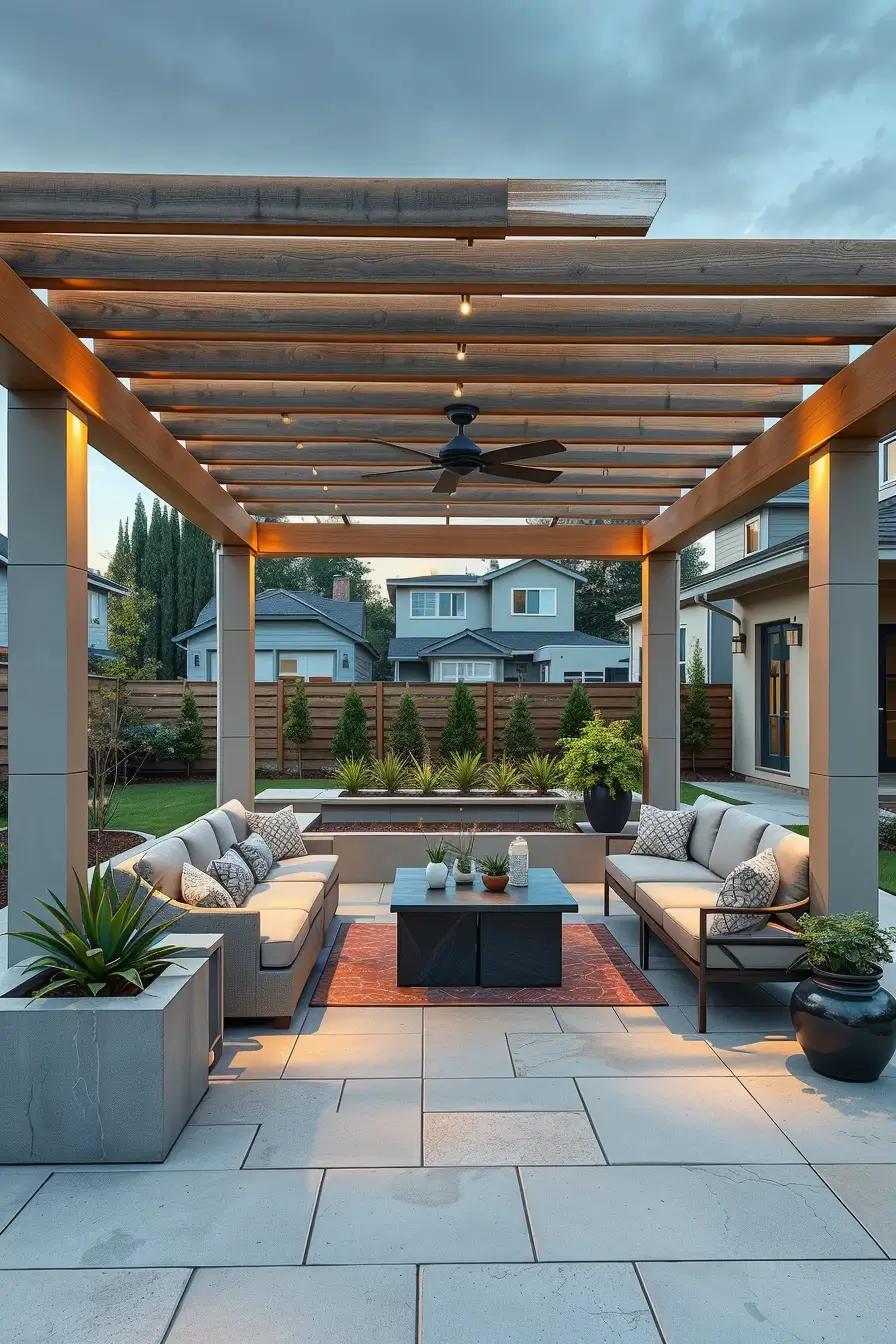
In these designs, I focus on modular furniture, weather-resistant seating, and built-in features such as privacy screens or adjustable shading panels. Low-profile sofas, outdoor dining tables with minimalist silhouettes, and integrated planters help define the space without overwhelming it. Materials are chosen for longevity and visual restraint, ensuring the pergola feels cohesive with the home’s exterior architecture.
From my experience, future-forward pergolas work best when planned alongside the home rather than added later. Many US-based designers, including those featured in Architectural Digest, emphasize designing outdoor structures with the same discipline as interior spaces. I agree with this approach, as it creates a pergola that feels timeless rather than trend-driven.
What I would add to this concept is a stronger emphasis on zoning. I recommend clearly separating lounging, dining, and circulation areas within the pergola to improve functionality and everyday usability.
2. Smart Pergolas With Automated Roof Systems
Smart pergolas with automated roof systems are becoming a defining feature of outdoor living in 2026. I view these structures as highly practical solutions for homeowners who want comfort without constant manual adjustments. Automated louvers or retractable roofs respond to sunlight, rain, and wind, allowing the space to adapt instantly to changing weather conditions.
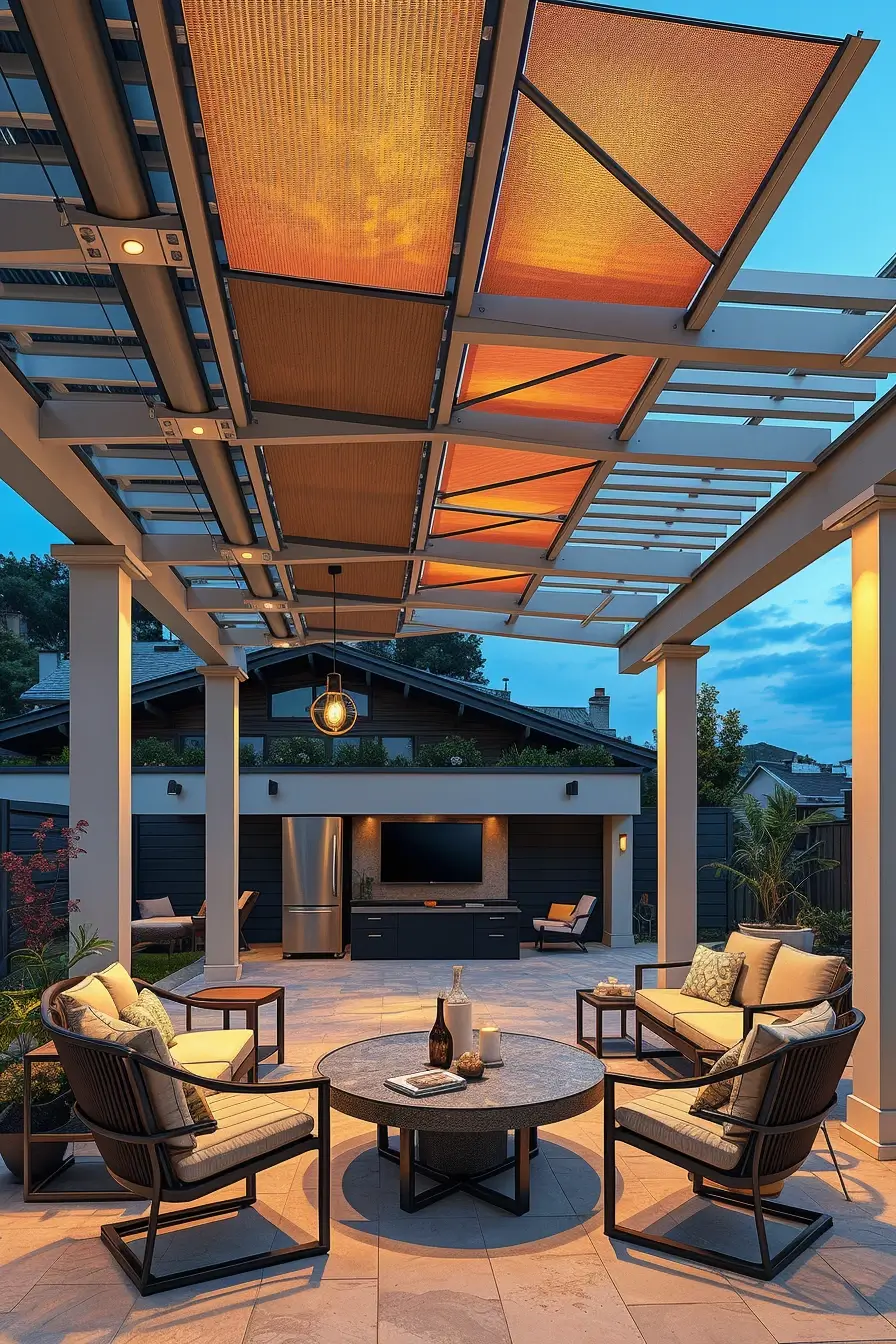
In these pergolas, I typically incorporate streamlined outdoor seating, motorized shade controls, and integrated heating elements. Furniture is selected with movement and flexibility in mind, such as sectional sofas and lightweight dining chairs that can be repositioned easily. The roof system itself becomes the central design feature, framed by clean beams and concealed mechanisms.
Personally, I have found that automated systems significantly increase how often clients use their outdoor spaces. Design professionals frequently cited in Dezeen highlight automation as a key factor in extending seasonal use, and I strongly support that perspective. A smart pergola feels less like an outdoor compromise and more like a controlled, comfortable environment.
To enhance this section further, I would recommend adding a centralized control system that connects lighting, roof movement, and heating into one interface for seamless daily operation.
3. Minimalist Pergola Concepts For Modern Homes
Minimalist pergola concepts for modern homes in 2026 focus on restraint, proportion, and architectural harmony. I approach these designs with the intention of reducing visual noise while maximizing spatial clarity. The pergola becomes an extension of the home’s geometry, often aligning with window frames, rooflines, or patio edges.
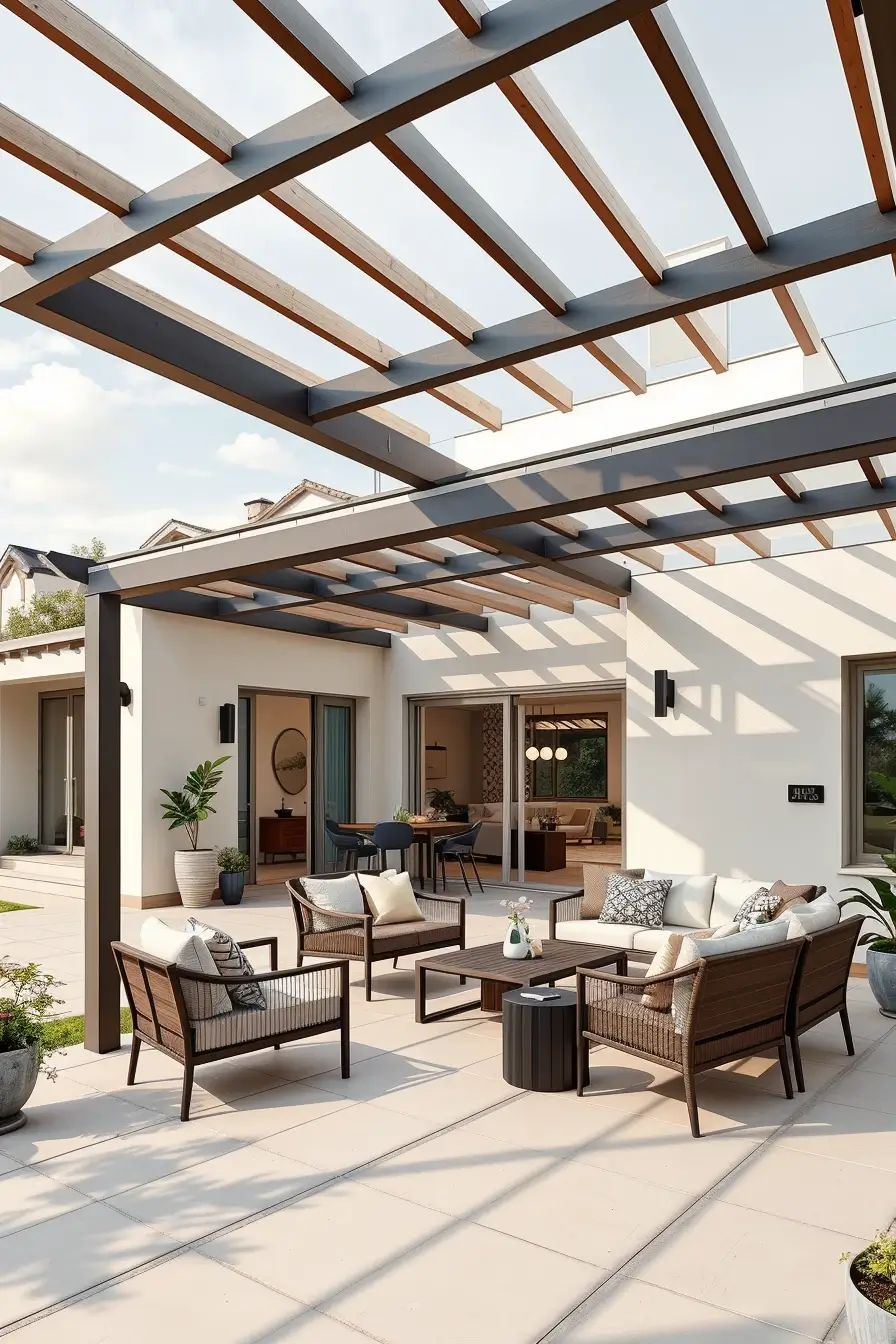
Furniture in minimalist pergolas is intentionally simple. I prefer low-profile seating, neutral-toned cushions, and streamlined dining sets made from metal or composite materials. Decorative elements are kept to a minimum, allowing negative space and natural light to play a central role in the overall atmosphere.
In my professional opinion, minimalist pergolas are most successful when every element has a clear purpose. Many modern architects recommend limiting material variety to avoid visual fragmentation, and I follow this principle consistently. This approach ensures the pergola remains elegant and relevant over time.
What I would add here is subtle textural contrast. Incorporating one tactile element, such as a textured floor surface or soft fabric cushions, prevents the space from feeling overly rigid or cold.
4. Sustainable Pergola Materials Trending In 2026
Sustainability is no longer optional in pergola design for 2026, and I see material selection as a critical design decision. Sustainable pergolas prioritize responsibly sourced wood, recycled composites, and long-lasting finishes that reduce the need for frequent replacement. These choices support both environmental responsibility and long-term value.
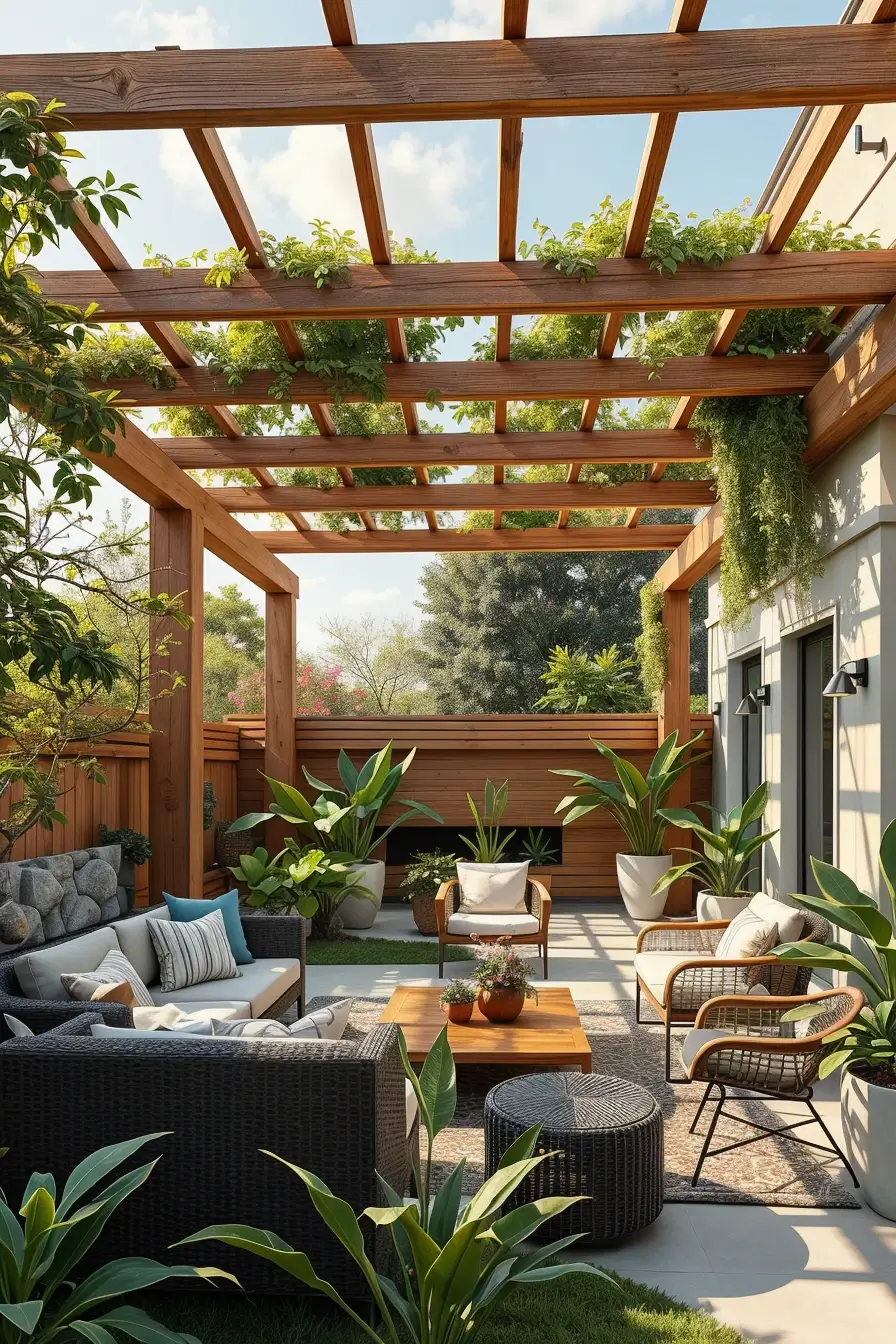
In practice, I often combine durable structural materials with eco-conscious furnishings such as recycled outdoor fabrics and FSC-certified wood furniture. Integrated planters and green walls can also be incorporated to enhance microclimates and improve comfort. These elements contribute to a pergola that feels connected to nature without sacrificing performance.
From my experience, clients are increasingly aware of material origins and lifecycle impact. Publications like Dwell frequently highlight sustainable outdoor design as a defining trend, and I agree that these materials also elevate the perceived quality of the space.
To strengthen this section, I would include a clear maintenance strategy. Educating homeowners on how to care for sustainable materials ensures the pergola remains functional and visually appealing for many years.
5. Pergola Ideas With Integrated Solar Panels
Pergola ideas with integrated solar panels represent a practical and forward-looking solution for 2026. I consider these designs especially valuable for homeowners seeking energy efficiency without compromising aesthetics. Solar panels are integrated seamlessly into the pergola roof, maintaining clean lines while generating renewable energy.
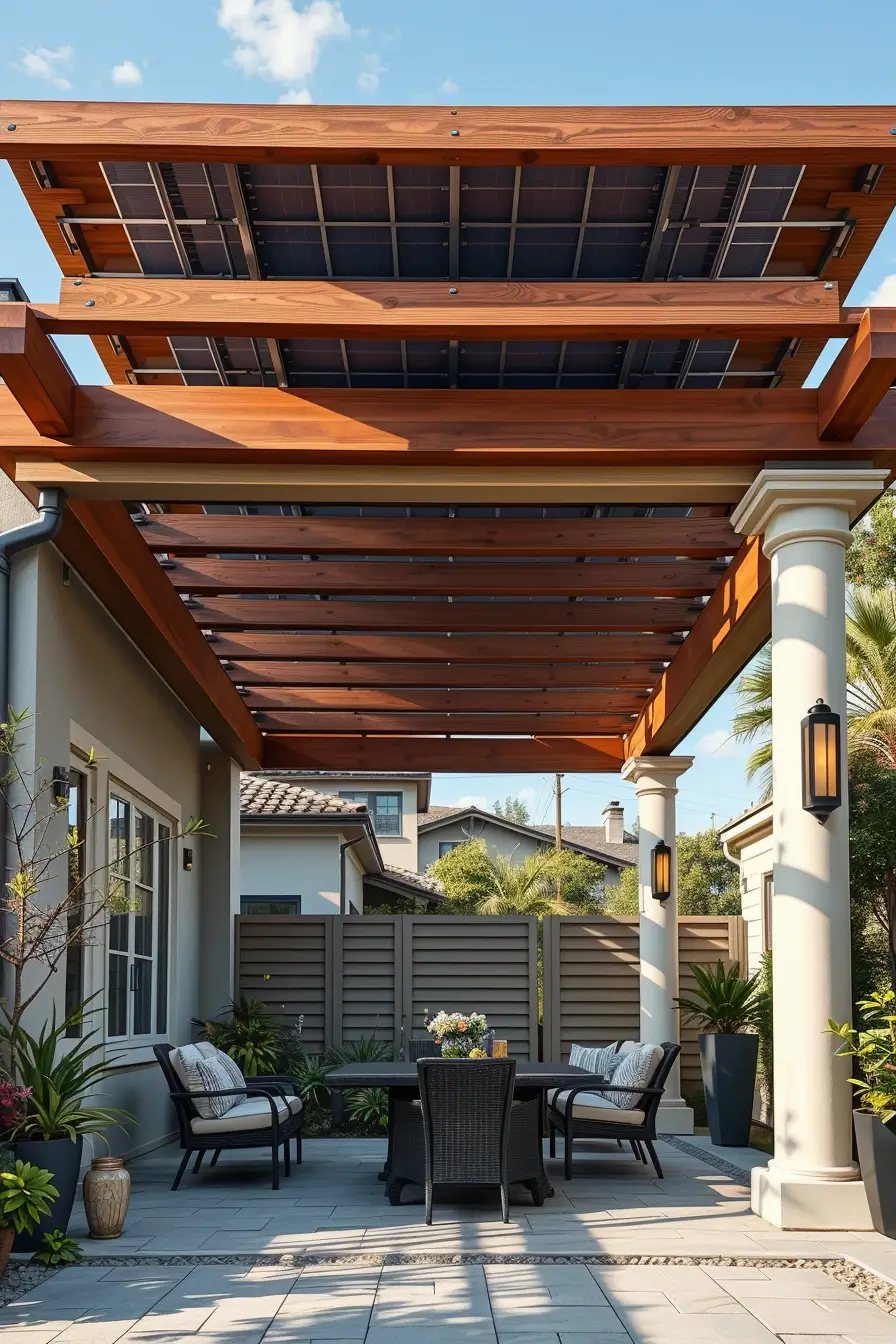
Furniture in these pergolas is often paired with energy-efficient features such as solar-powered lighting and charging stations. I recommend weather-resistant lounge seating, outdoor worktables, and subtle lighting fixtures that benefit directly from the energy produced above. The structure itself becomes both functional and productive.
In my opinion, solar pergolas redefine how we think about outdoor architecture. Many US sustainability experts emphasize integrating renewable systems into everyday structures, and I believe pergolas are an ideal candidate for this approach. They offer visibility, efficiency, and real-world benefits.
What I would add to this concept is energy monitoring integration. Allowing homeowners to track energy generation reinforces the value of the design and encourages mindful usage.
6. Open-Air Pergolas Designed For Climate Flexibility
I see open-air pergolas designed for climate flexibility as one of the most practical pergola ideas for 2026. These structures are intentionally open yet adaptable, allowing airflow, light, and weather responsiveness without sacrificing comfort. The design focuses on adjustable elements such as movable panels, curtains, or slatted roofs that respond naturally to seasonal changes.
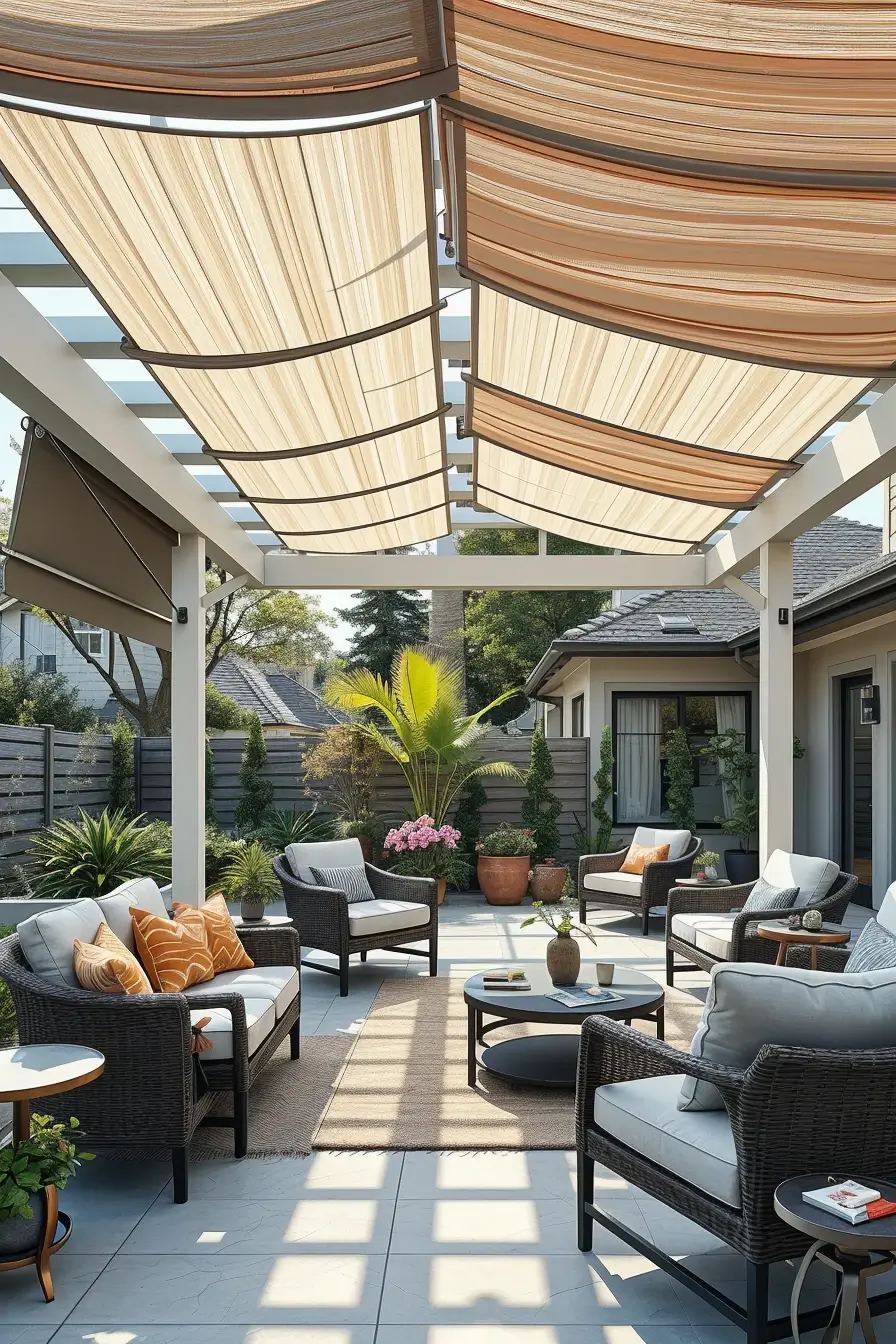
In terms of furnishings, I recommend weather-adaptable furniture such as breathable outdoor sofas, adjustable loungers, and lightweight dining tables that can be rearranged easily. Materials like aluminum frames, quick-dry cushions, and UV-resistant fabrics ensure durability while maintaining a refined appearance. These choices allow the pergola to remain functional in both warm and transitional climates.
From my experience, climate-flexible pergolas are especially valuable in regions with fluctuating weather. Outdoor design experts featured in Better Homes and Gardens often stress the importance of adaptability in exterior spaces, and I fully agree. A pergola that adjusts to its environment is used more often and maintained with less effort.
What I would add to this concept is integrated wind protection. Subtle glass panels or retractable side screens improve comfort without visually enclosing the space.
7. Pergola Ideas For Seamless Indoor-Outdoor Living
Pergola ideas for seamless indoor-outdoor living in 2026 focus on blurring the boundary between interior comfort and exterior openness. I design these pergolas as direct extensions of interior living areas, often aligned with sliding doors or large openings that visually connect both spaces. Consistency in materials and proportions is essential for achieving this continuity.
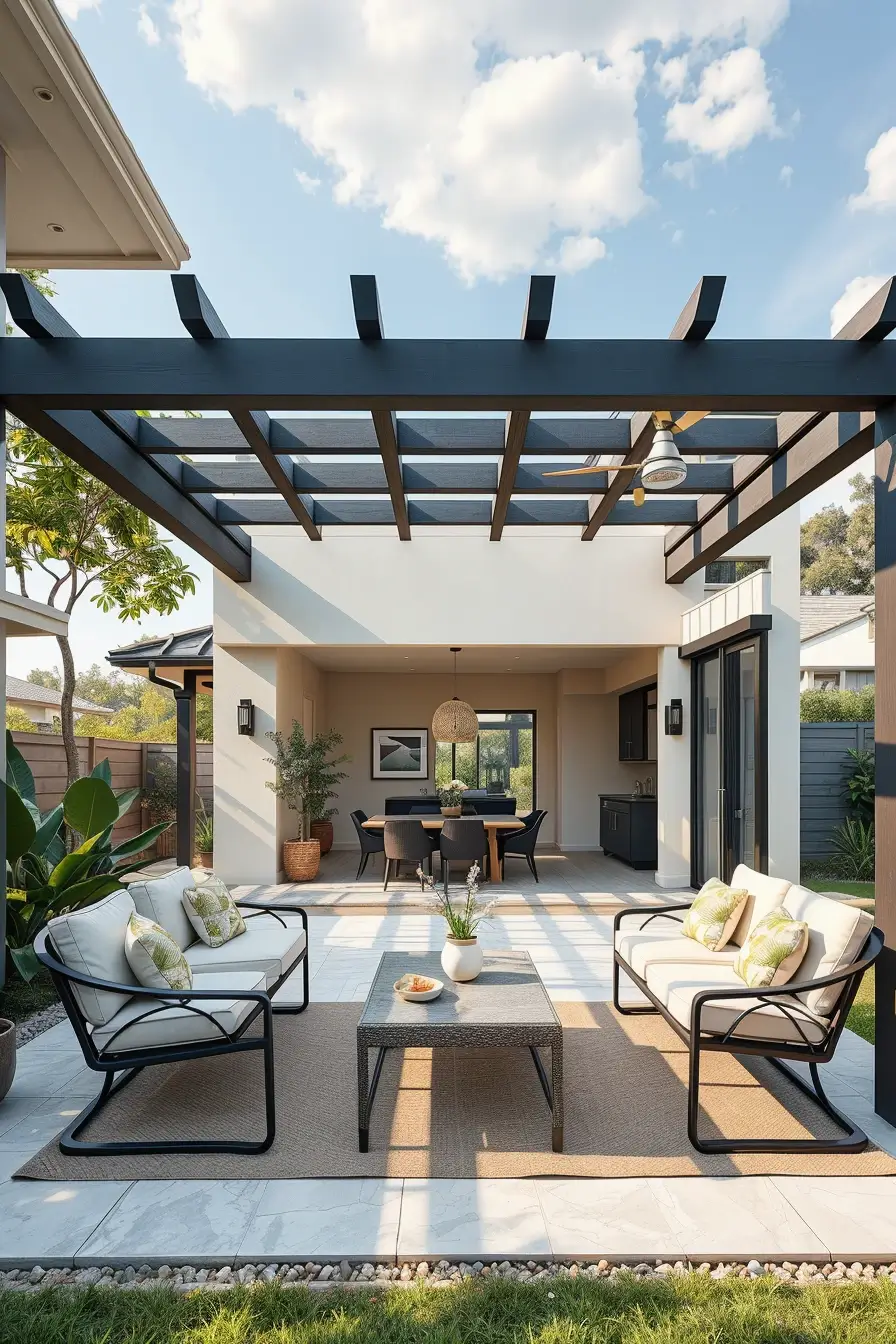
Furniture selection plays a major role here. I typically mirror indoor furniture styles using outdoor-rated sofas, dining sets, and accent tables that echo interior finishes. Area rugs designed for outdoor use, coordinated lighting fixtures, and matching color palettes strengthen the visual connection between spaces.
In my professional opinion, seamless transitions significantly improve everyday living. Many interior designers published in House Beautiful emphasize continuity as a key principle in modern home design, and I apply the same logic outdoors. A pergola should feel like another room, not a separate zone.
To enhance this section further, I would recommend matching ceiling heights or beam alignments with the interior ceiling to reinforce architectural flow.
8. Architectural Pergolas With Sculptural Forms
Architectural pergolas with sculptural forms represent a bold direction for pergola ideas in 2026. I view these structures as functional art pieces that define outdoor spaces through form and proportion. Curved beams, asymmetrical layouts, and layered structural elements transform the pergola into a visual focal point.
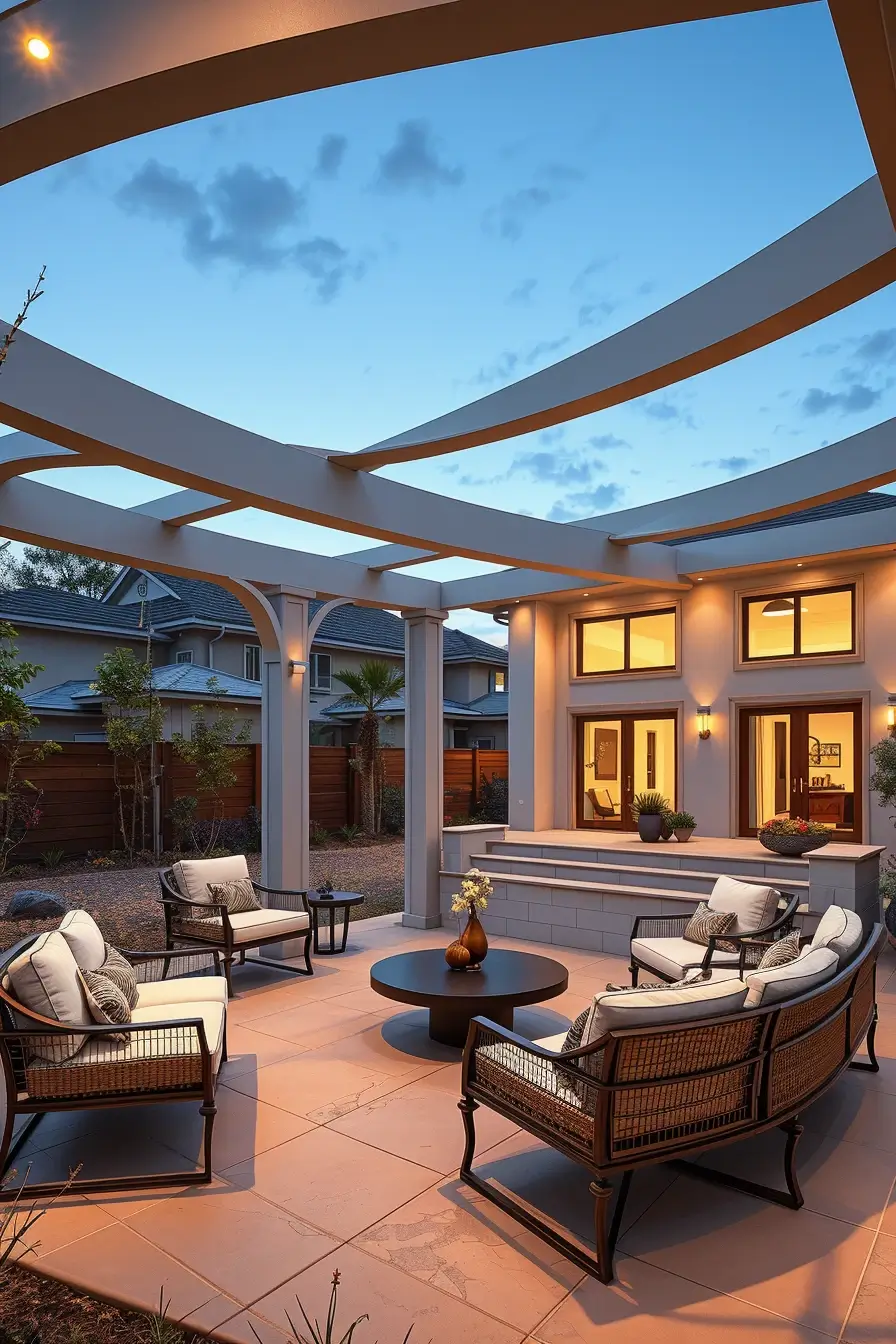
Furniture in sculptural pergolas is typically understated to avoid competing with the structure itself. I prefer streamlined seating, neutral upholstery, and minimal tables that allow the architecture to remain dominant. Lighting is often integrated into the structure to highlight curves and shadows after sunset.
From my experience, sculptural pergolas work best when paired with simplified landscaping. Designers featured in Dezeen often note that strong architectural forms require restraint elsewhere, and I follow that principle carefully. This balance ensures visual clarity and long-term appeal.
What I would add to this concept is thoughtful sightline planning. Ensuring the pergola is visible from key interior viewpoints maximizes its architectural impact.
9. Pergola Lighting Ideas For Evening Ambiance
Pergola lighting ideas for evening ambiance are essential for extending outdoor use well into the night in 2026. I approach lighting as a layered design element that enhances mood while maintaining functionality. Integrated lighting solutions create a soft, inviting environment without overwhelming the space.
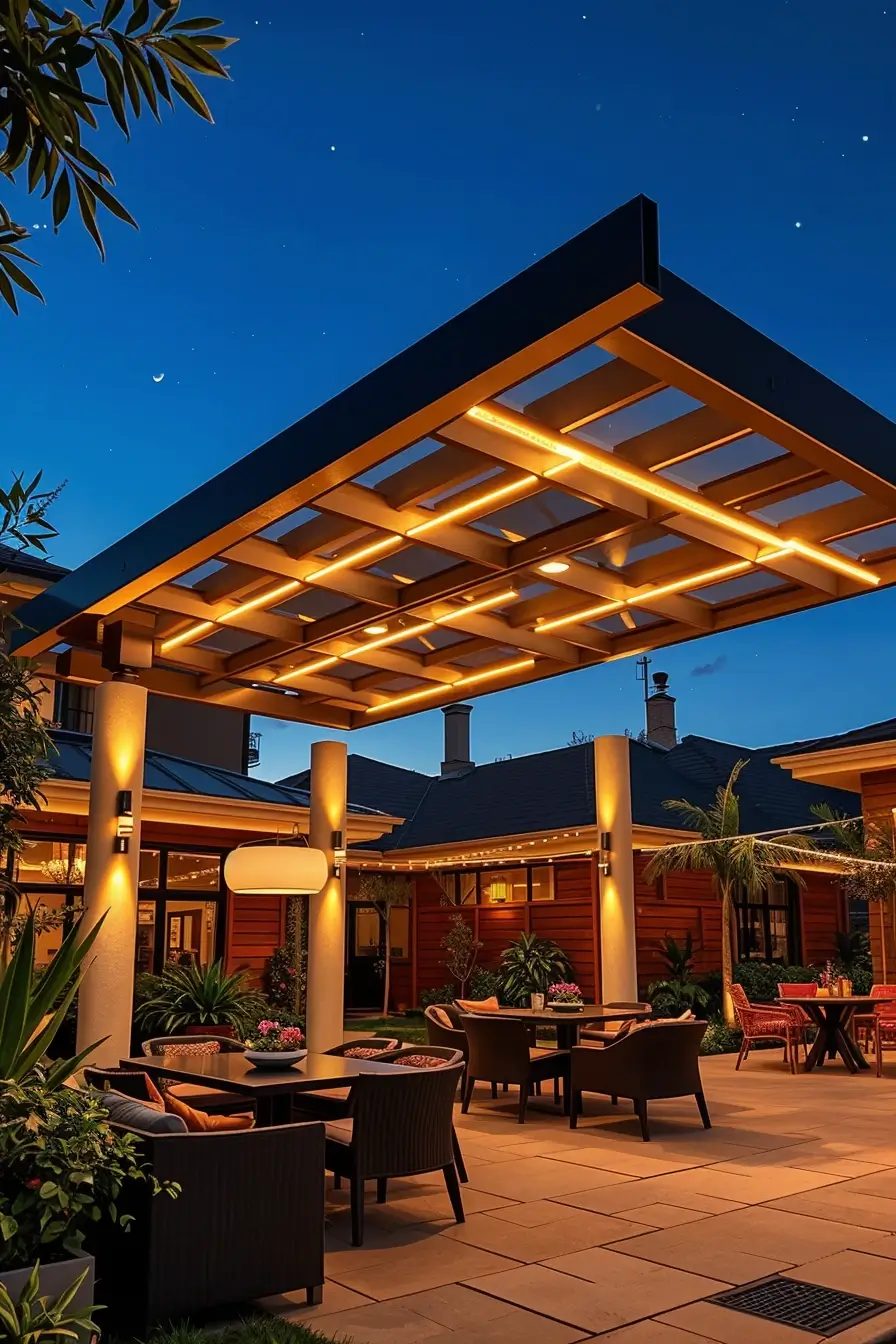
I recommend combining ambient lighting, such as concealed LED strips, with task lighting over dining areas and subtle accent lighting around structural elements. Furniture placement should support these lighting zones, ensuring seating and tables are comfortably illuminated without harsh glare.
In my opinion, effective lighting dramatically changes how a pergola is experienced. Lighting designers frequently cited in Architectural Digest emphasize the importance of indirect illumination outdoors, and I consistently apply that guidance. A well-lit pergola feels calm, intentional, and usable.
To complete this section, I would suggest incorporating smart lighting controls that allow users to adjust brightness and tone based on time of day or activity.
10. Pergola Ideas Using Natural Wood Tones
Pergola ideas using natural wood tones remain highly relevant in 2026, offering warmth and timeless appeal within modern outdoor design. I see these pergolas as a way to soften contemporary architecture while maintaining a clean and updated aesthetic. The emphasis is on refined finishes rather than rustic expression.
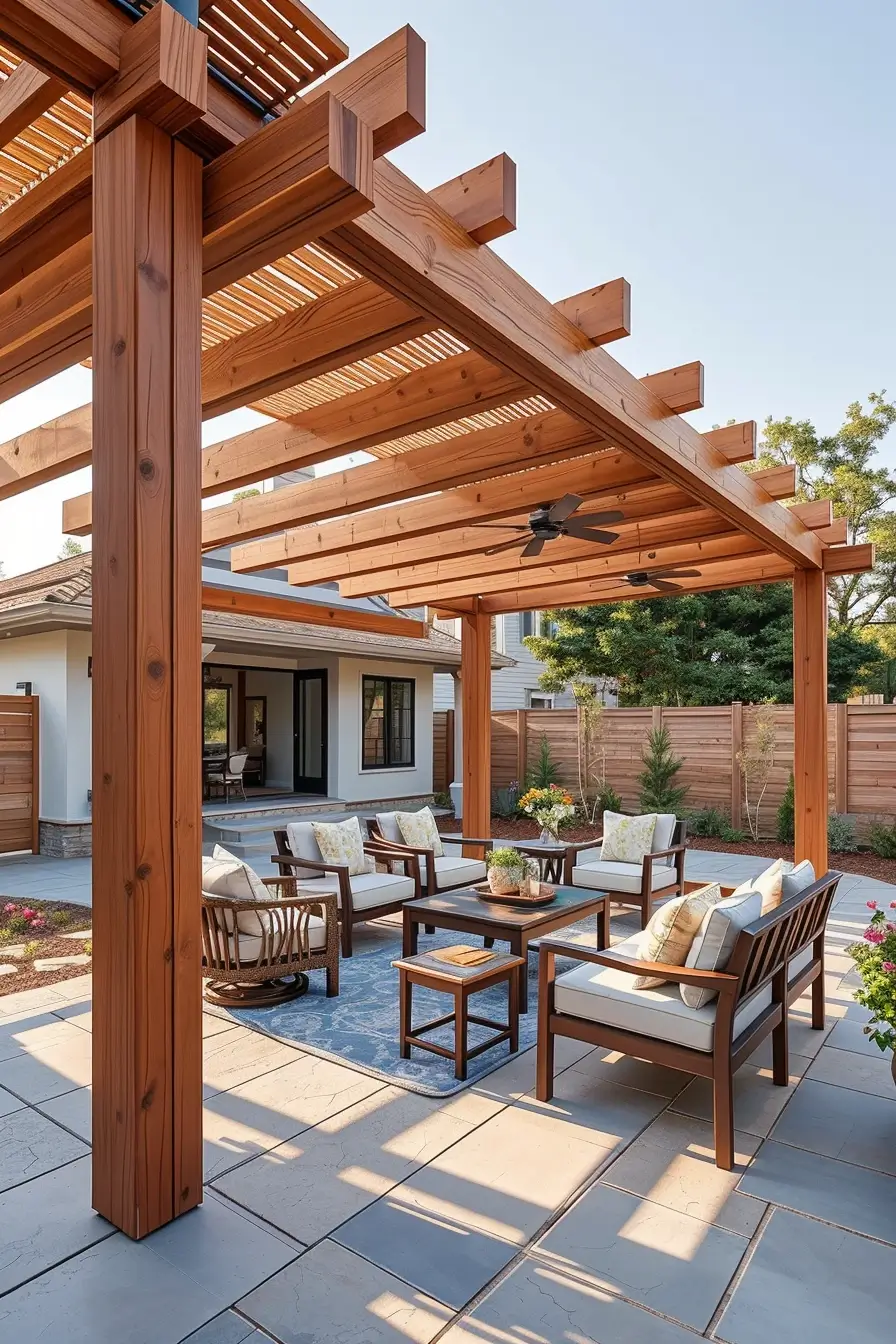
Furniture selections often include wood-accented seating, neutral cushions, and simple dining sets that complement the pergola’s structure. Natural textures are balanced with modern materials like stone flooring or metal accents to maintain visual harmony and durability.
From my professional perspective, natural wood tones create an emotional connection to outdoor spaces. Many landscape architects writing for Dwell highlight wood as a grounding material, and I agree that it enhances comfort and approachability without feeling outdated.
What I would add to this section is a focus on finish consistency. Using a single wood tone across beams, furniture accents, and accessories creates a cohesive and intentional design.
11. Metal Frame Pergolas With Contemporary Appeal
I see metal frame pergolas as one of the most defining outdoor structures of 2026, especially for homeowners who value clean lines and long-term durability. These pergolas rely on aluminum or steel frames with slim profiles, creating a visually lightweight structure that integrates seamlessly with modern architecture. From a practical standpoint, metal frames resist warping, insects, and weather damage, making them ideal for year-round outdoor use in various climates.
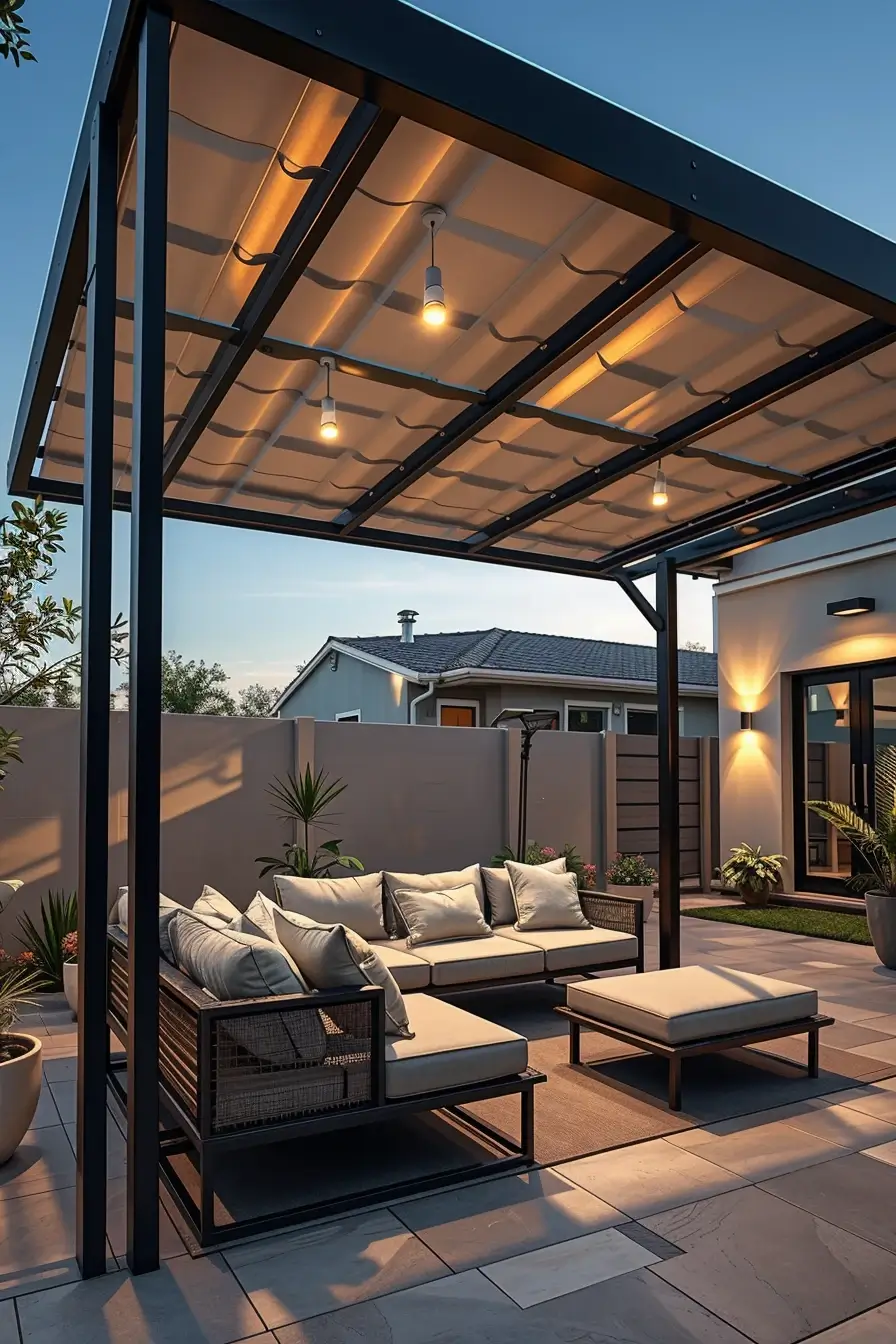
When I design or specify a metal frame pergola, I focus on pairing the structure with purposeful furnishings. Low-profile outdoor sofas, modular seating, and minimalist dining tables complement the refined geometry of the frame. Integrated LED strip lighting along beams or posts enhances usability after sunset, while powder-coated finishes in matte black, charcoal, or warm bronze help the pergola feel intentional rather than industrial.
From my experience, many designers featured in Architectural Digest and Dezeen emphasize that metal pergolas work best when treated as architectural elements, not accessories. I agree with this approach. When proportion, placement, and material consistency are handled correctly, a metal pergola elevates the entire backyard into a cohesive outdoor living environment.
What is often missing in these setups is thoughtful ground treatment. I recommend adding large-format stone pavers or concrete slabs beneath the pergola to visually anchor the structure and improve comfort and maintenance over time.
12. Pergola Ideas With Adjustable Louvers
Adjustable louver pergolas are one of the most practical outdoor solutions I recommend for 2026 because they adapt to changing weather conditions instantly. These pergolas use rotating slats that allow precise control over sunlight, ventilation, and rain protection. I find them especially effective for homeowners who want to enjoy their outdoor space throughout the day without committing to a fixed roof design.
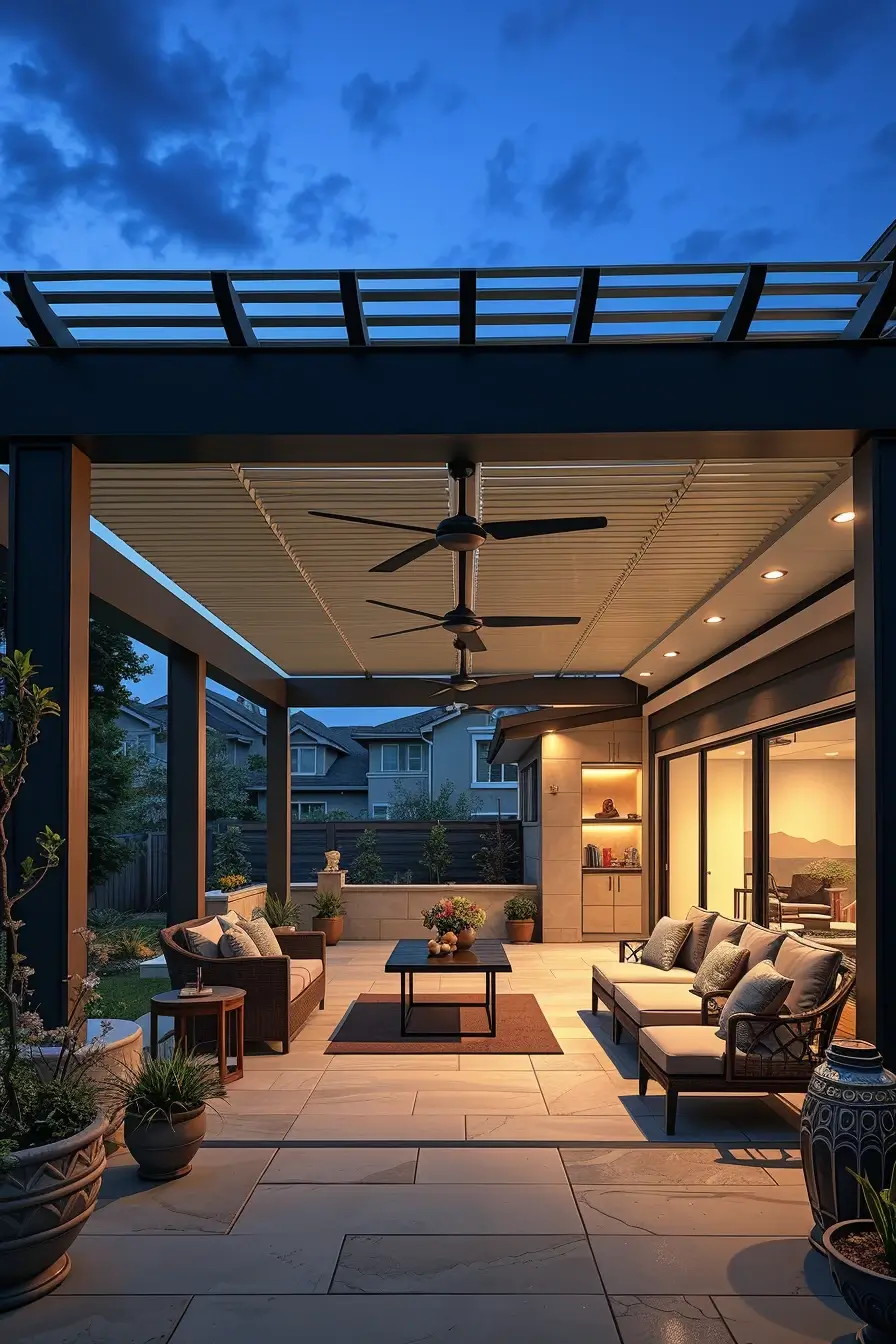
In terms of furnishing, I always suggest pairing louvered pergolas with flexible layouts. Sectional seating, extendable dining tables, and weather-resistant cushions allow the space to shift from casual lounging to entertaining. Motorized louver systems, often controlled via smartphone apps, pair well with integrated ceiling fans and recessed lighting to maintain comfort during warm evenings.
Based on guidance from outdoor living specialists frequently cited in Better Homes & Gardens, adjustable louvers significantly increase how often homeowners use their outdoor areas. I’ve seen this firsthand — once clients experience full control over light and airflow, the pergola becomes a daily retreat rather than a seasonal feature.
What I often add to complete this setup is discreet drainage planning. Hidden gutter systems and proper slope design ensure rainwater is directed away cleanly, preserving both furniture and flooring without disrupting the pergola’s streamlined look.
13. Backyard Pergola Ideas For Modern Landscapes
For modern landscapes in 2026, I approach pergolas as spatial organizers rather than standalone elements. These pergolas help define zones within the backyard, such as dining, lounging, or outdoor workspaces, without closing off the environment. Clean structural lines, neutral materials, and strong alignment with the home’s geometry are essential for this type of design.
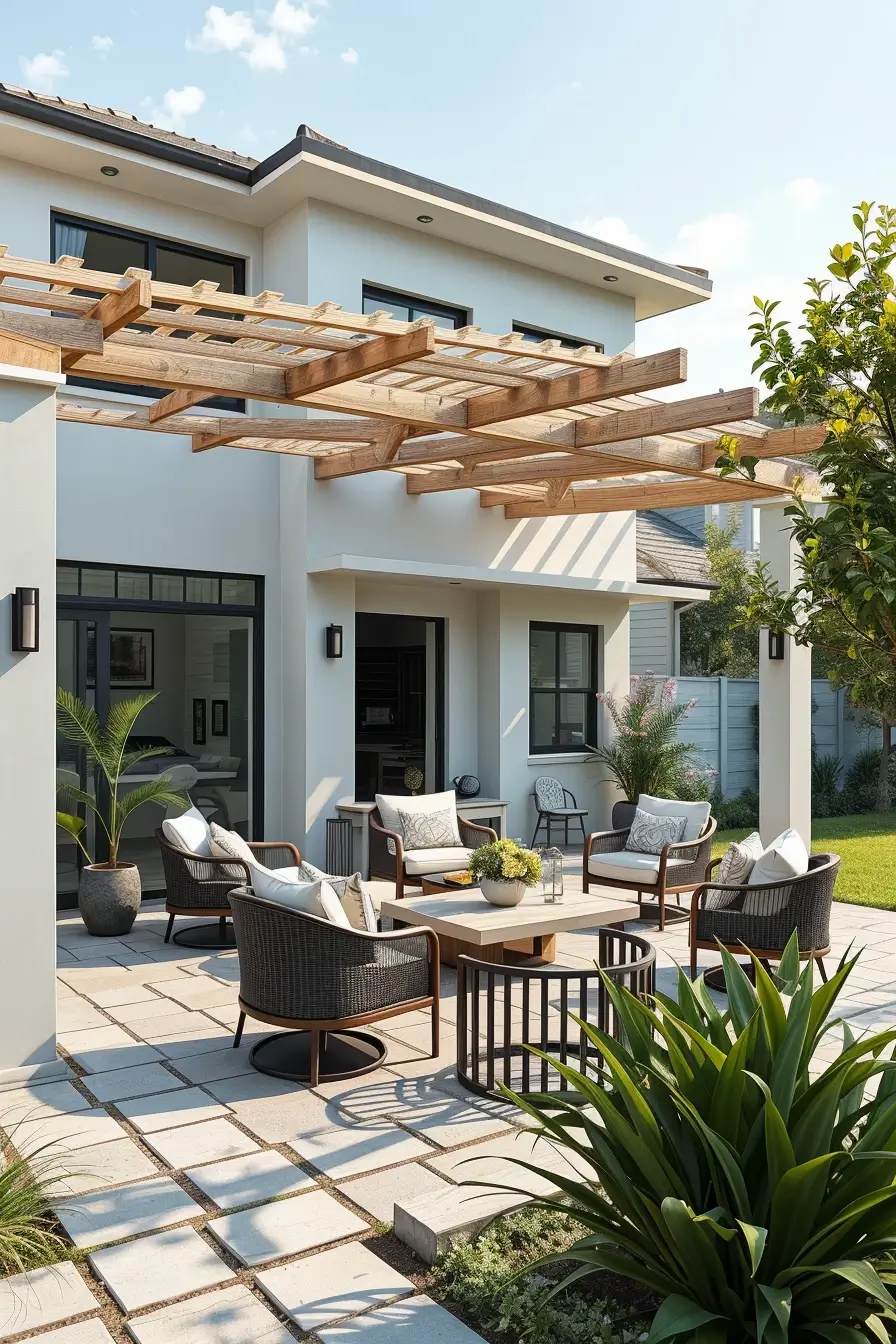
Furniture selection plays a crucial role here. I typically choose low, linear seating, built-in benches, and simple outdoor rugs to visually reinforce the modern aesthetic. Planters with architectural greenery, such as ornamental grasses or sculptural shrubs, soften the structure without cluttering the space. The pergola becomes a framework that highlights the landscape rather than competing with it.
In my professional opinion, modern pergolas work best when they echo the home’s materials. Landscape architects featured in Dwell often stress continuity between indoor and outdoor spaces, and I fully support this idea. Matching tones, textures, and proportions creates a seamless transition that feels intentional and timeless.
What is often overlooked is sound management. Adding subtle water features or sound-absorbing landscape elements nearby enhances privacy and comfort, especially in urban or suburban settings.
14. Pergola Ideas For Compact Outdoor Spaces
Compact outdoor spaces require pergola designs that prioritize efficiency without sacrificing comfort. In 2026, I see more pergolas scaled specifically for small patios, courtyards, and narrow backyards. These designs focus on vertical structure, slim posts, and open roofs that maintain airflow while visually expanding the space.
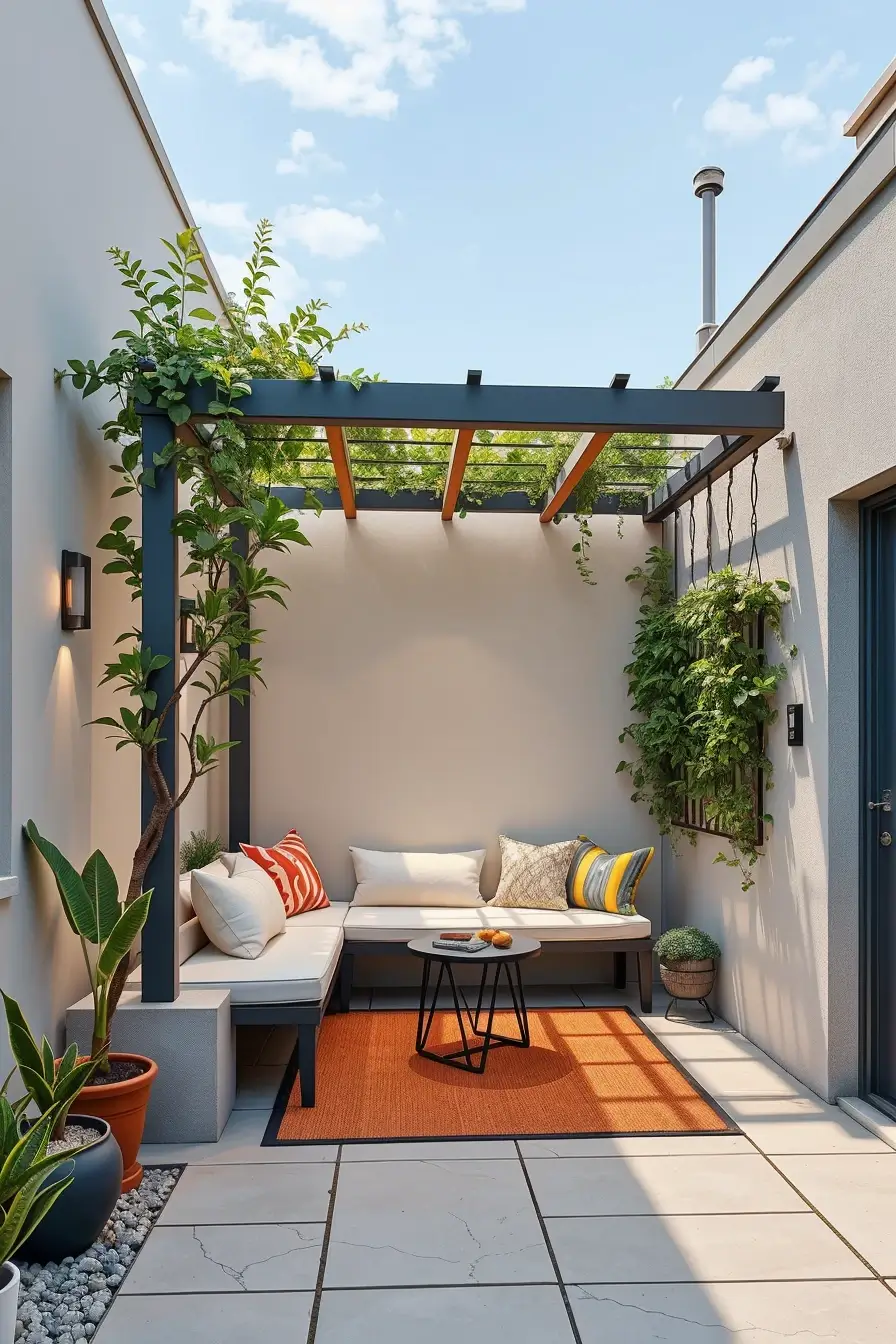
When furnishing smaller pergolas, I recommend multifunctional pieces. Built-in benches with hidden storage, foldable tables, and lightweight chairs help keep the area adaptable. Neutral color palettes and reflective surfaces, such as light stone flooring or subtle metal accents, prevent the space from feeling enclosed.
From my experience working with urban homeowners, designers quoted in The Spruce often highlight the importance of visual openness in compact outdoor areas. I agree — pergolas should frame the space, not dominate it. Strategic lighting also plays a major role in making small pergolas feel inviting after dark.
What I usually add to these designs is vertical greenery. Wall-mounted planters or climbing plants enhance privacy while keeping the floor area free and functional.
15. Luxury Pergola Designs For High-End Homes
Luxury pergolas in 2026 are defined by customization, scale, and seamless integration with outdoor amenities. I approach these pergolas as outdoor rooms, often connected directly to kitchens, pools, or entertainment areas. High-end materials such as stone columns, hardwood accents, and advanced motorized roofing systems set these structures apart.
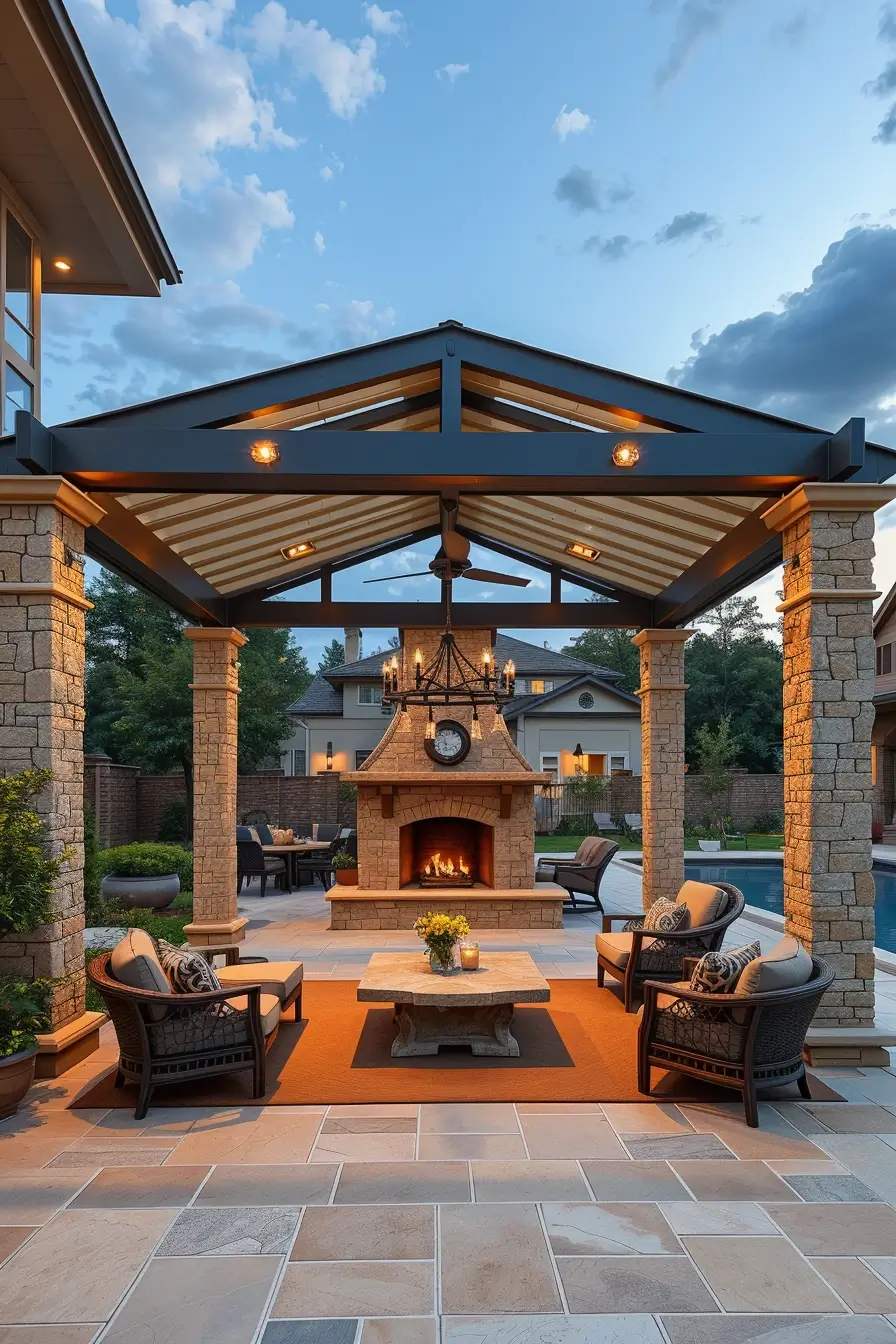
Furnishing a luxury pergola requires careful balance. I specify deep seating with tailored outdoor upholstery, statement lighting fixtures, and custom dining tables that mirror indoor quality. Built-in fireplaces, outdoor kitchens, and integrated audio systems elevate functionality while maintaining a refined atmosphere.
In my professional view, publications like Luxe Interiors + Design consistently emphasize restraint in luxury outdoor design. I follow this principle closely. True luxury comes from proportion, craftsmanship, and comfort rather than excess decoration.
What is often missing is proper climate planning. I always recommend incorporating heaters, retractable side panels, or automated shading to ensure the pergola remains comfortable and usable throughout multiple seasons.
16. Pergola Ideas With Built-In Seating
In 2026, pergolas with built-in seating stand out as one of the most functional outdoor design solutions I regularly recommend. These pergolas are designed as complete environments rather than open frameworks, allowing seating to become part of the structure itself. From a usability perspective, this approach maximizes space efficiency while creating a cohesive and intentional outdoor layout that feels permanent and well considered.
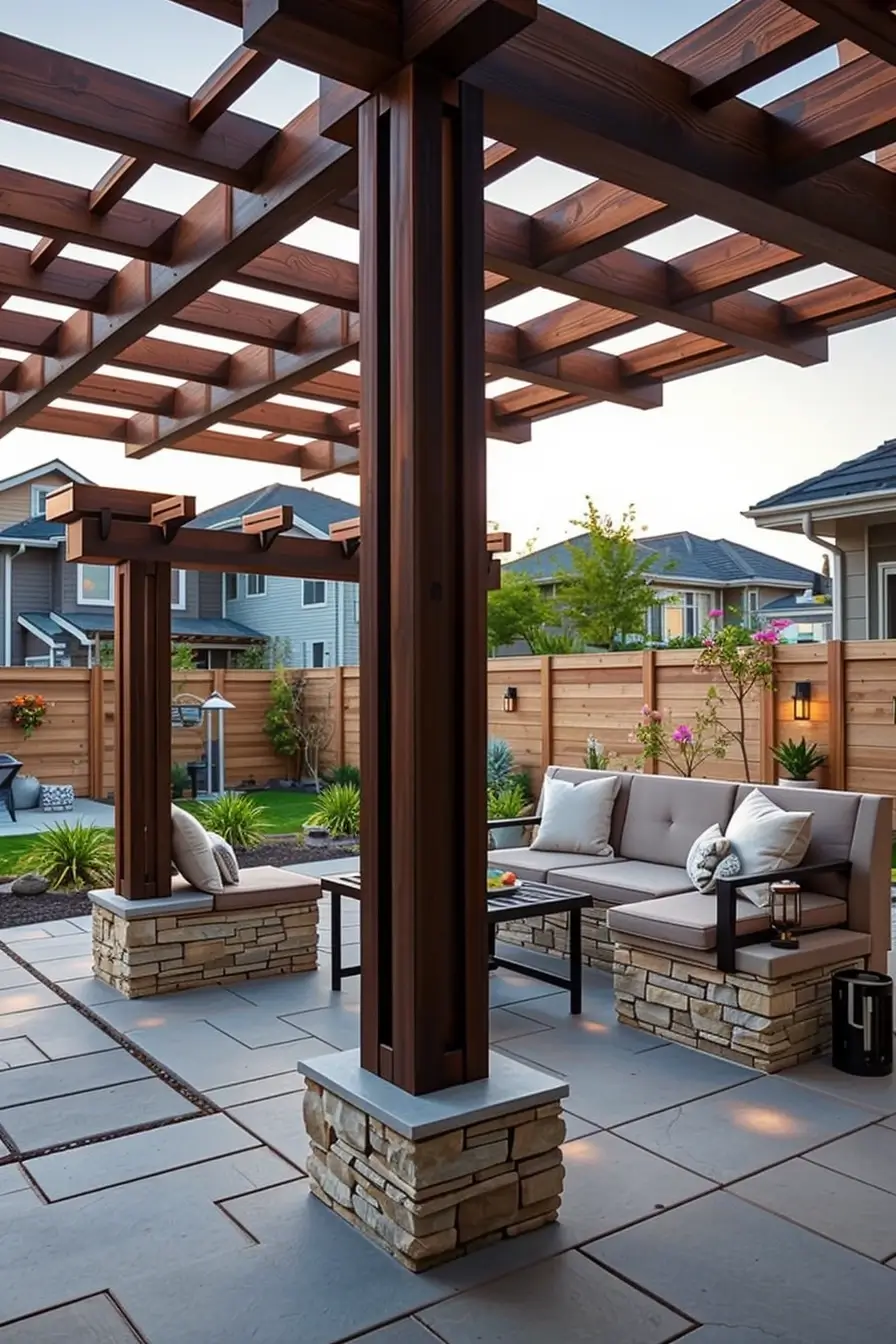
When I design pergolas with built-in seating, I prioritize materials that offer both comfort and durability. Concrete bases with integrated wooden or composite bench tops work exceptionally well, especially when paired with tailored outdoor cushions. Adding side tables, concealed storage beneath seating, and integrated lighting transforms the pergola into a true gathering space suitable for both casual lounging and entertaining.
Based on my experience and insights shared by outdoor design professionals featured in House Beautiful, built-in seating encourages longer and more frequent use of outdoor spaces. I have observed that homeowners feel more connected to their pergolas when the seating feels architectural rather than movable, reinforcing the idea of the pergola as an outdoor room.
What I often add to enhance these designs is ergonomic planning. Seat depth, backrest angles, and cushion thickness should be carefully calculated to ensure long-term comfort, especially for spaces intended for extended use.
17. Pergola Concepts For Poolside Areas
Poolside pergolas in 2026 are designed to balance shade, openness, and visual connection to the water. I treat these pergolas as transitional spaces that soften the boundary between swimming areas and lounging zones. Structurally, they often feature open sides, extended roof overhangs, and materials that withstand humidity and sun exposure without compromising style.
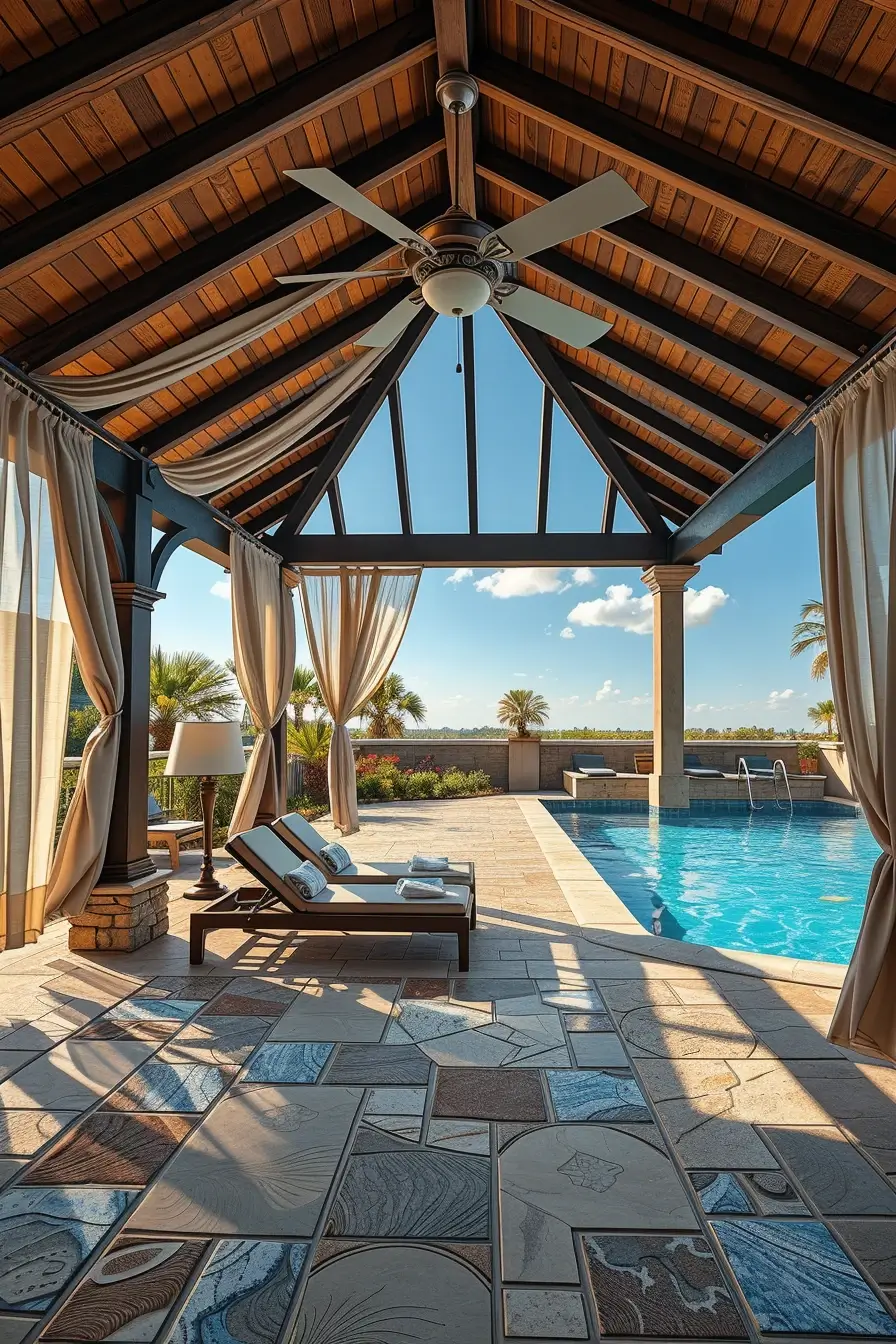
Furnishing a poolside pergola requires careful material selection. I recommend chaise lounges, modular seating, and side tables made from weather-resistant metals and quick-dry fabrics. Ceiling fans, sheer outdoor curtains, and subtle lighting enhance comfort while maintaining an airy feel that complements the pool environment.
From my perspective, landscape architects frequently highlighted in Elle Decor emphasize that poolside pergolas should enhance relaxation without obstructing views. I strongly agree. Keeping sightlines open ensures the pergola feels integrated rather than imposed on the pool design.
What is often missing in these setups is slip-resistant flooring. I always suggest textured stone or treated decking beneath the pergola to improve safety while preserving a refined aesthetic.
18. Pergola Ideas Featuring Mixed Materials
Mixed-material pergolas are becoming increasingly popular in 2026 because they allow designers to blend warmth and structure within a single form. I use combinations such as metal with wood, concrete with timber, or stone paired with aluminum to create depth and visual interest. This approach helps pergolas feel layered and custom rather than uniform.
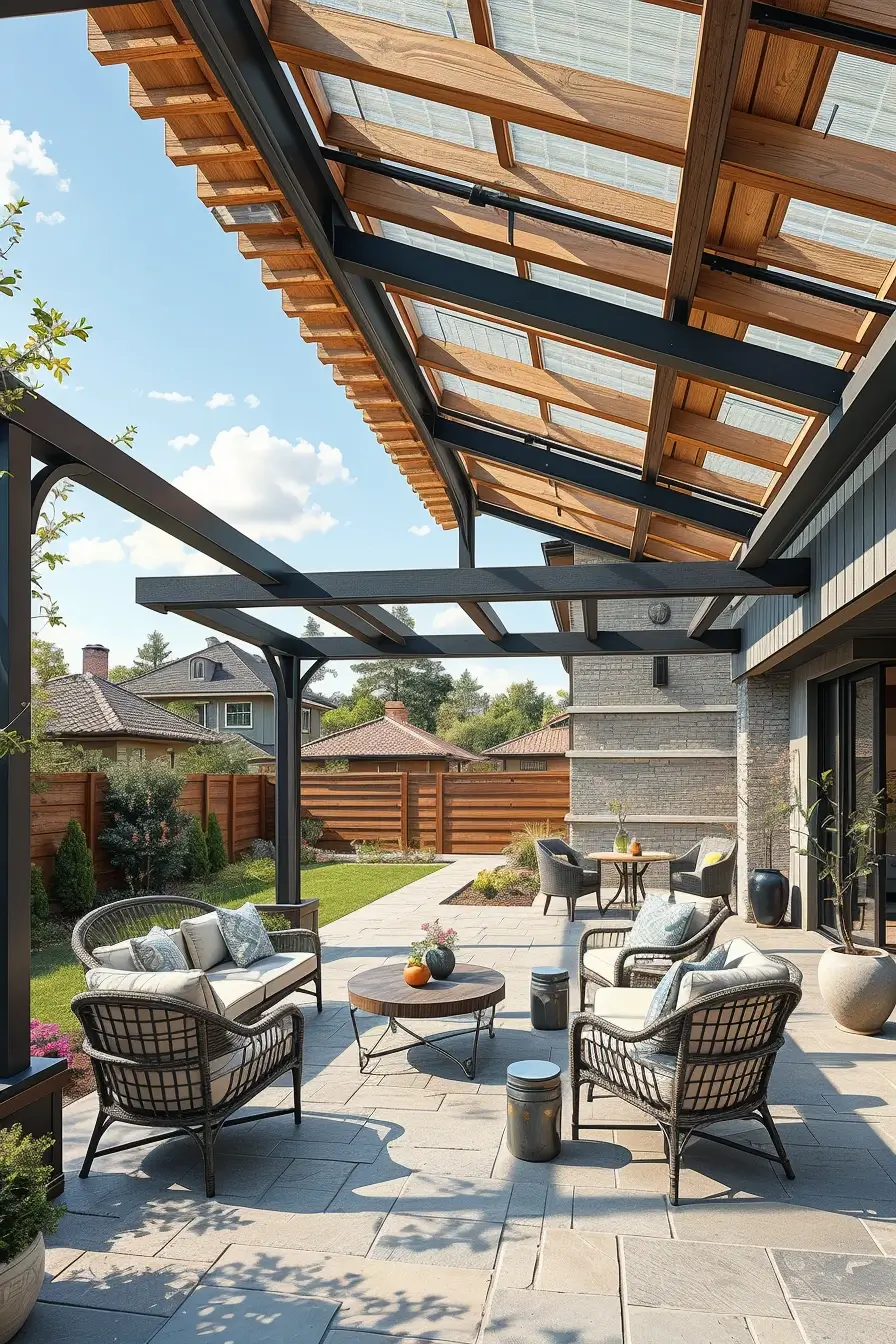
In these designs, each material serves a specific purpose. Metal provides structural clarity, wood introduces warmth, and stone adds permanence. I carefully select furniture that echoes these materials, such as wooden dining tables with metal frames or upholstered seating with subtle stone accents, ensuring visual harmony throughout the space.
In my professional opinion, design publications like Dezeen consistently highlight mixed materials as a way to future-proof outdoor spaces. I find this strategy effective because it allows pergolas to evolve stylistically over time without requiring major structural changes.
What I usually add to strengthen these designs is consistent color coordination. Limiting the palette to two or three complementary tones ensures the mix feels intentional rather than visually overwhelming.
19. Pergola Ideas With Retractable Canopies
Retractable canopy pergolas are among the most adaptable outdoor solutions I recommend for 2026. These pergolas provide adjustable shade while maintaining a lightweight appearance. I often suggest them for homeowners who want flexibility without committing to permanent roofing systems.
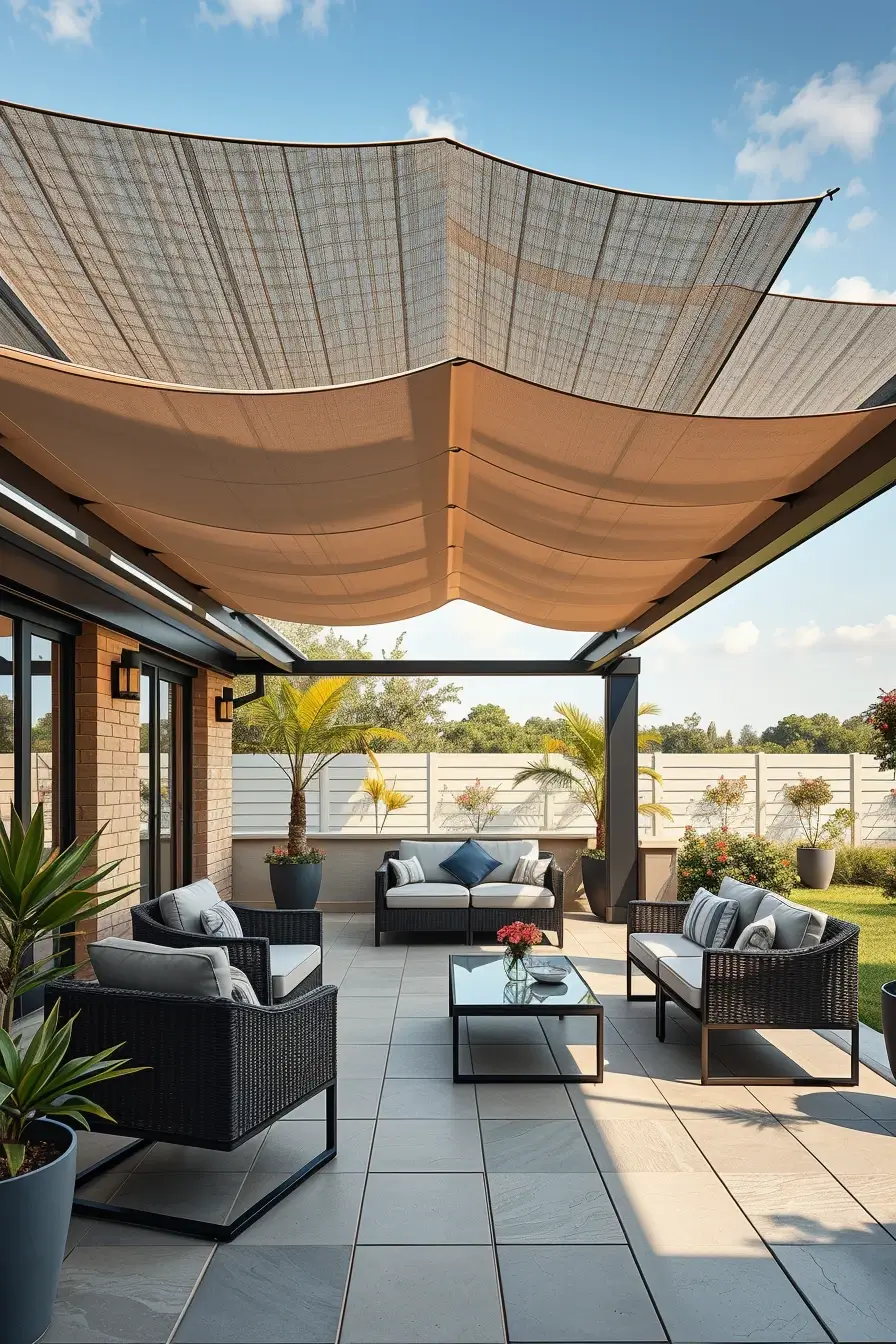
When furnishing pergolas with retractable canopies, I focus on versatility. Dining tables, lounge chairs, and movable accent pieces allow the space to shift easily between shaded daytime use and open evening gatherings. Fabric canopies in neutral tones help diffuse light softly while maintaining a modern aesthetic.
From my experience and advice shared by outdoor living experts in Better Homes & Gardens, retractable systems significantly extend the usability of pergolas. I have seen firsthand how homeowners appreciate the ability to adapt their outdoor environment within seconds.
What I typically add to complete these designs is wind management. Side screens or strategically placed panels help stabilize the canopy during breezy conditions without compromising the open feel.
20. Pergola Designs Inspired By Resort Architecture
Resort-inspired pergolas reflect a growing desire in 2026 to recreate vacation-level comfort at home. I approach these designs with an emphasis on openness, symmetry, and relaxed luxury. Wide beams, soft drapery, and generous proportions help evoke the atmosphere of high-end coastal or tropical resorts.
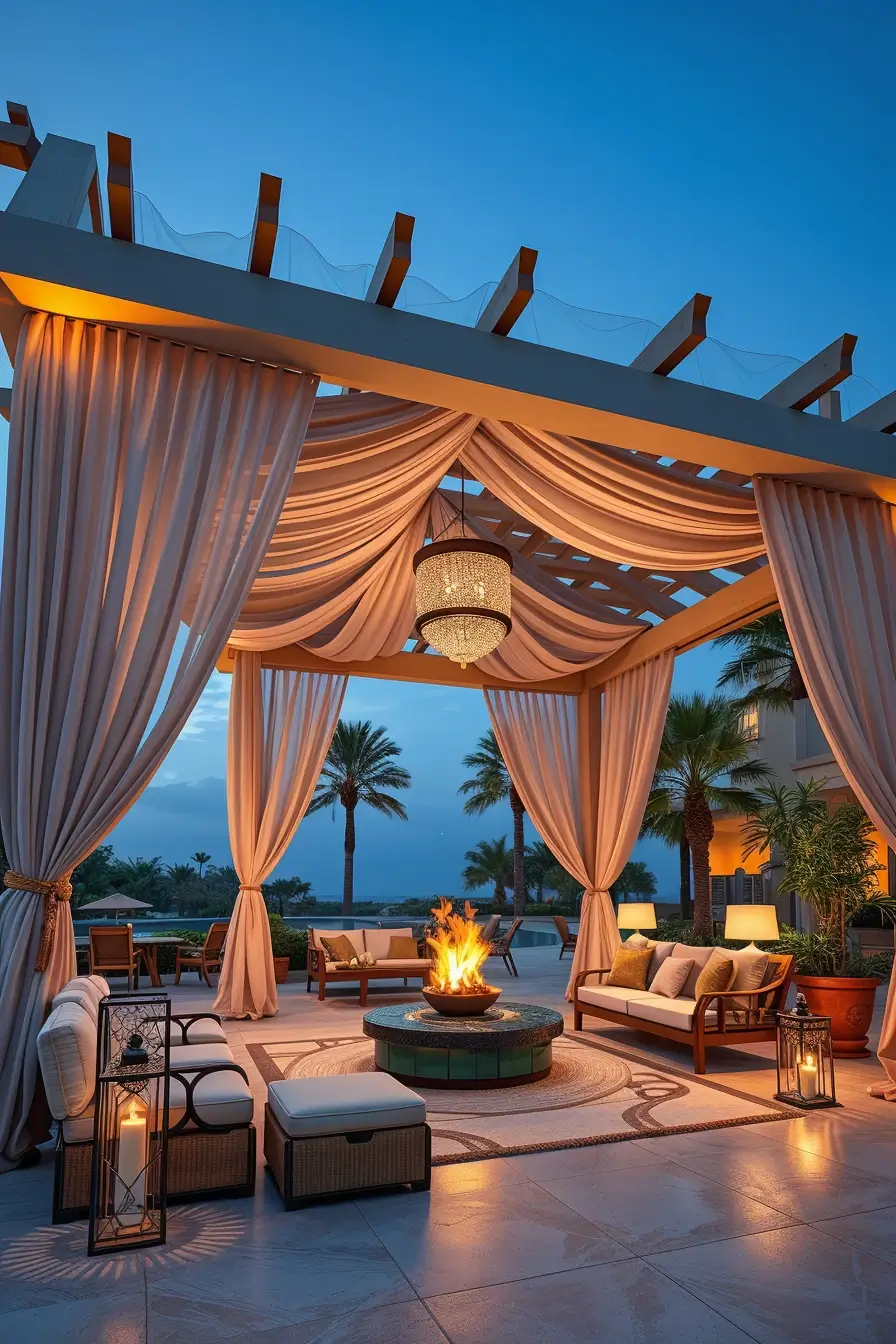
Furniture selection is essential in achieving this look. I recommend deep lounge seating, daybeds, and low tables paired with textured fabrics and layered lighting. Natural materials such as wood and stone enhance the relaxed yet refined aesthetic that defines resort-style outdoor living.
In my opinion, designers featured in Travel + Leisure often emphasize sensory comfort as the foundation of resort design. I fully support this philosophy. Shade, airflow, tactile materials, and ambient lighting all work together to create an immersive experience rather than a purely visual one.
What I often add to elevate these pergolas is thoughtful zoning. Dividing the space into lounging, dining, and relaxation areas ensures the pergola feels expansive and intentionally planned.
21. Pergola Ideas For Outdoor Dining Spaces
I approach outdoor dining pergolas in 2026 as fully functional rooms rather than seasonal add-ons. The focus is on creating a defined dining zone that feels protected yet open, using solid pergola frames, partial roofing, and thoughtful layout planning. I pay close attention to circulation space around the table, shade coverage during peak sun hours, and alignment with the kitchen or patio doors to improve everyday usability.
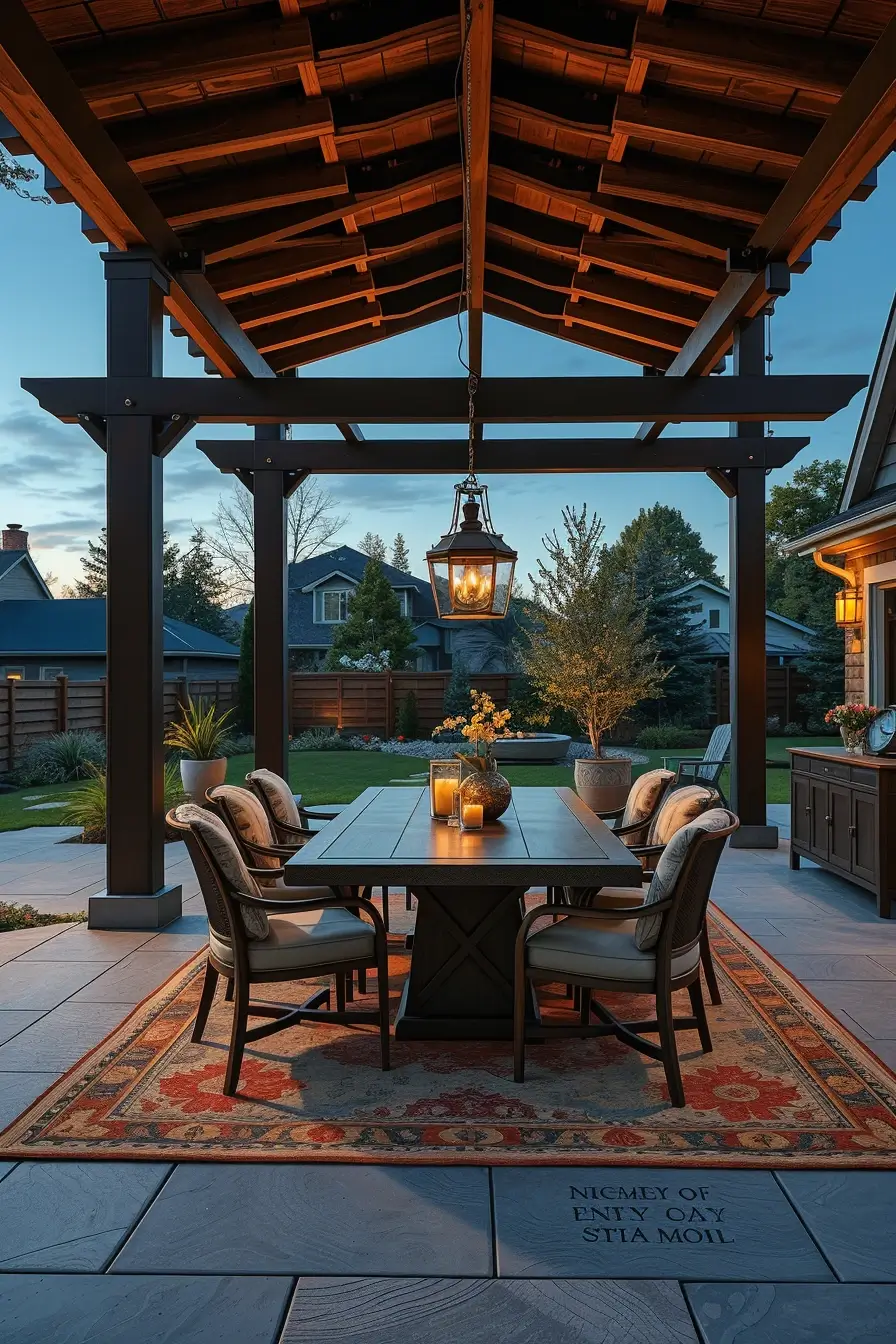
When selecting furniture, I prioritize weather-resistant dining tables, upholstered chairs with removable outdoor fabrics, and integrated lighting above the table surface. I often include a ceiling-mounted pendant or linear LED fixture inside the pergola to anchor the dining area visually. Sideboards, outdoor rugs, and subtle heating elements also play a role in making the space feel intentional rather than temporary.
From my experience, designers featured in Architectural Digest often emphasize that outdoor dining should mirror indoor comfort standards, and I fully agree with that approach. I’ve seen that when clients invest in quality materials and lighting, they naturally use the space more frequently, even beyond summer evenings.
What I would add to this section is a built-in storage solution for tableware or cushions, which keeps the dining pergola organized and visually clean without relying on indoor storage.
22. Pergola Roof Designs Trending In 2026
In pergola ideas 2026, roof design becomes the defining feature of the entire structure. I increasingly specify adjustable louvered roofs, translucent panels, or hybrid systems that allow light control without sacrificing weather protection. These designs give homeowners flexibility, letting them adapt the pergola to different times of day and changing seasons.
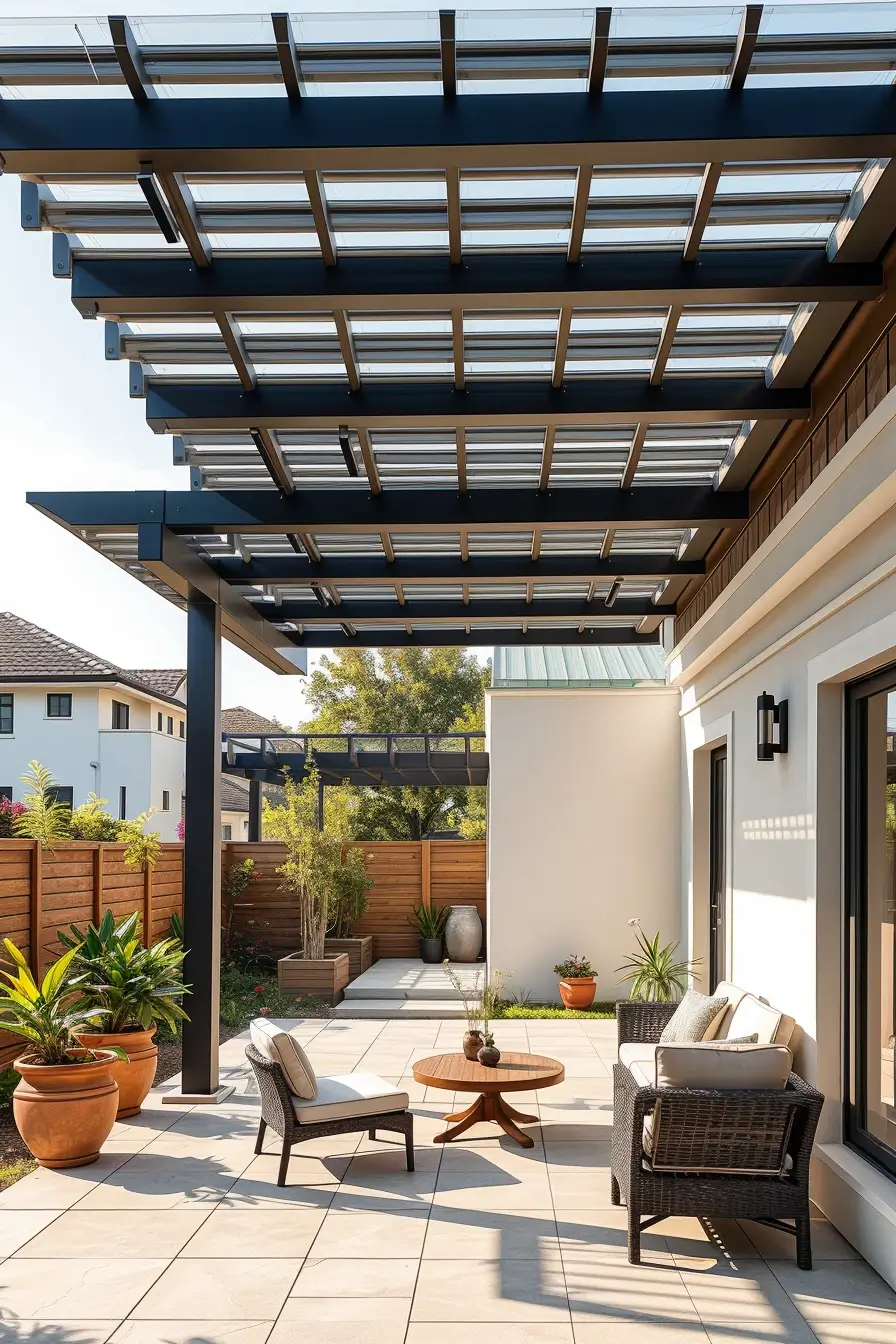
I carefully choose roofing materials that balance durability and aesthetics, such as powder-coated aluminum louvers, polycarbonate panels, or layered wooden slats with waterproof membranes. Integrated gutters and concealed drainage systems are essential, as they maintain clean lines while improving functionality during rain.
Personally, I appreciate how leading outdoor design brands highlight adaptable roofing as a long-term investment rather than a trend. From my projects, pergolas with adjustable roofs consistently outperform fixed designs in terms of daily use and homeowner satisfaction.
To enhance this section, I would recommend adding smart controls for roof adjustment, allowing users to manage sunlight and airflow directly from a mobile device.
23. Pergola Ideas With Integrated Privacy Panels
Privacy is becoming a key consideration in modern pergola planning, especially in suburban and urban environments. I design pergolas with integrated privacy panels that define boundaries without closing off the space entirely. These panels help create a sense of enclosure while maintaining airflow and visual interest.
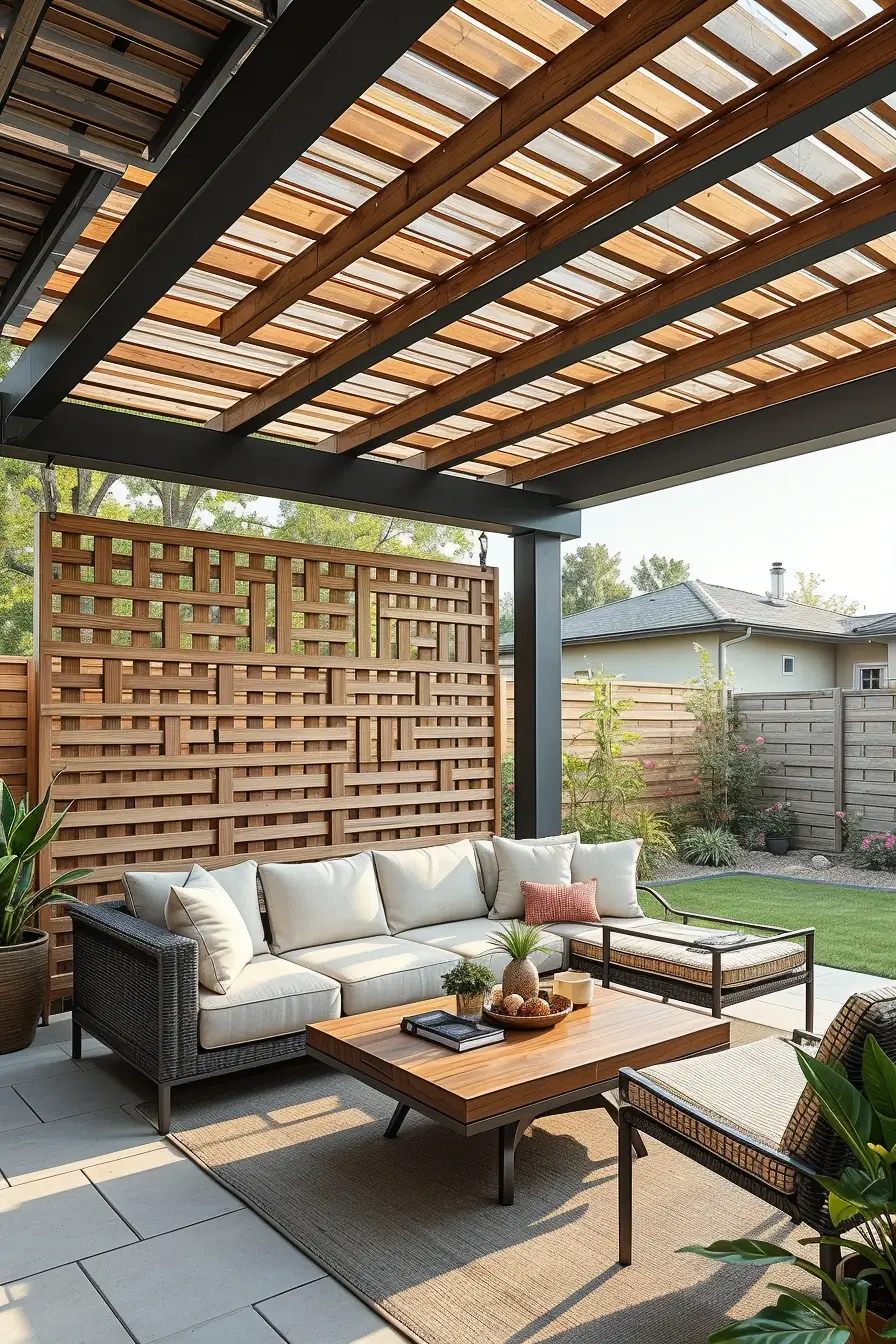
I often work with slatted wood screens, metal laser-cut panels, or fabric sliding walls, depending on the desired level of privacy. These elements pair well with sectional seating, outdoor sofas, and low tables, forming intimate zones for relaxation or conversation. I also consider panel placement carefully to block unfavorable views while preserving natural light.
From my professional standpoint, publications like Dwell consistently highlight layered privacy as a hallmark of sophisticated outdoor design. I’ve found that well-designed panels not only improve comfort but also elevate the pergola’s architectural presence.
What’s often missing here is integrated greenery, such as climbing plants or vertical planters, which can soften hard surfaces and enhance the feeling of privacy naturally.
24. Pergola Concepts Blending Nature And Technology
One of the most exciting directions in pergola ideas 2026 is the balance between natural elements and modern technology. I design these pergolas to feel grounded in the landscape while quietly incorporating smart features. The goal is to enhance comfort without overwhelming the natural atmosphere.
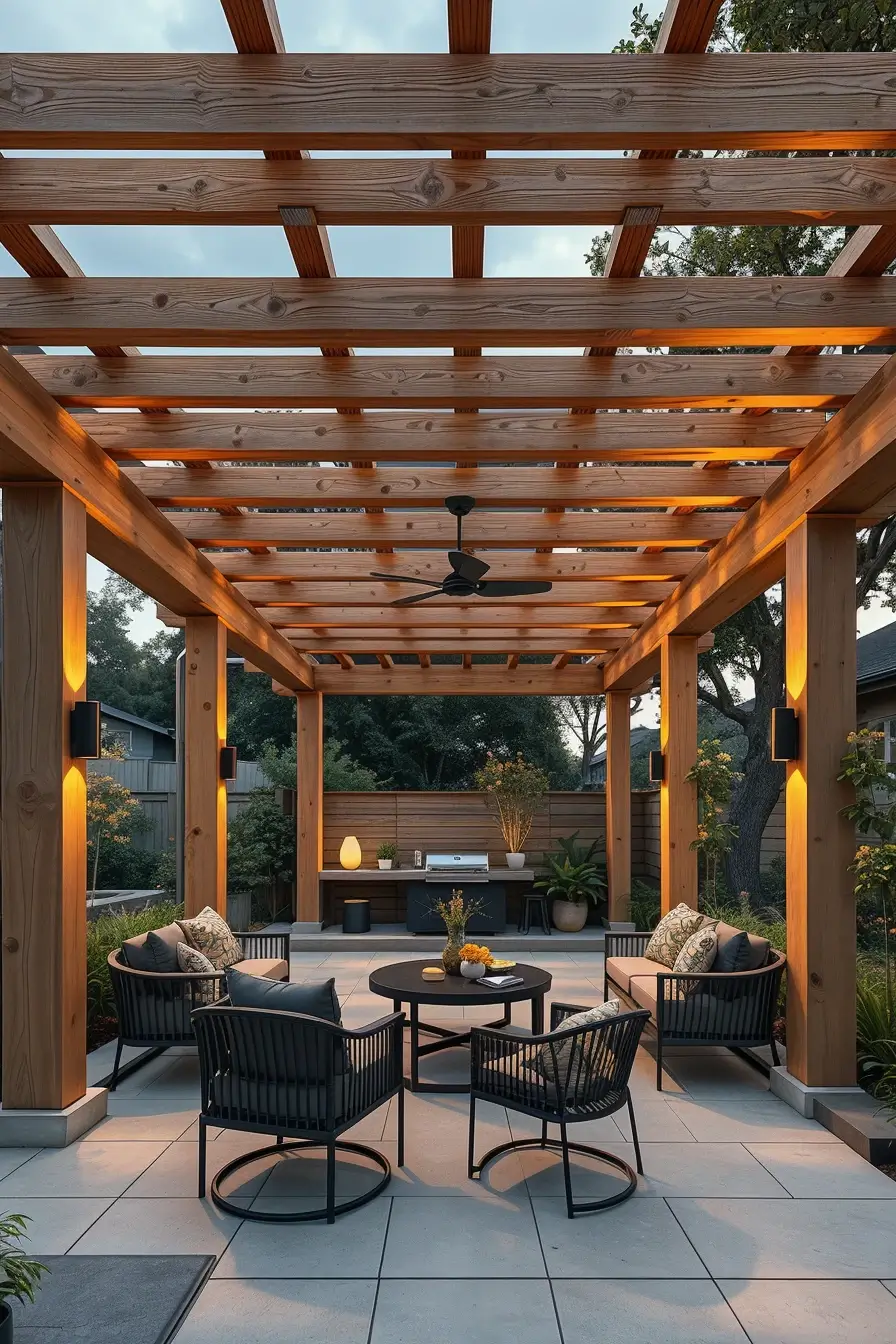
I typically combine wooden beams or stone flooring with hidden speakers, automated lighting, and climate controls. Furniture choices remain minimal and organic, often featuring neutral cushions, low-profile sofas, and natural textures that complement the surrounding environment rather than compete with it.
In my experience, many U.S. landscape architects stress that technology should be invisible, and I fully support that philosophy. When tech elements fade into the background, users engage more deeply with the space and the outdoors itself.
To complete this concept, I would add solar integration, allowing pergola systems to operate sustainably while reducing energy dependence.
25. Pergola Ideas For Year-Round Outdoor Use
Designing pergolas for year-round use requires a strategic approach that goes beyond aesthetics. I plan these spaces with insulation, weather protection, and seasonal adaptability in mind. Solid roofing options, retractable walls, and strategic orientation help extend usability across all climates.
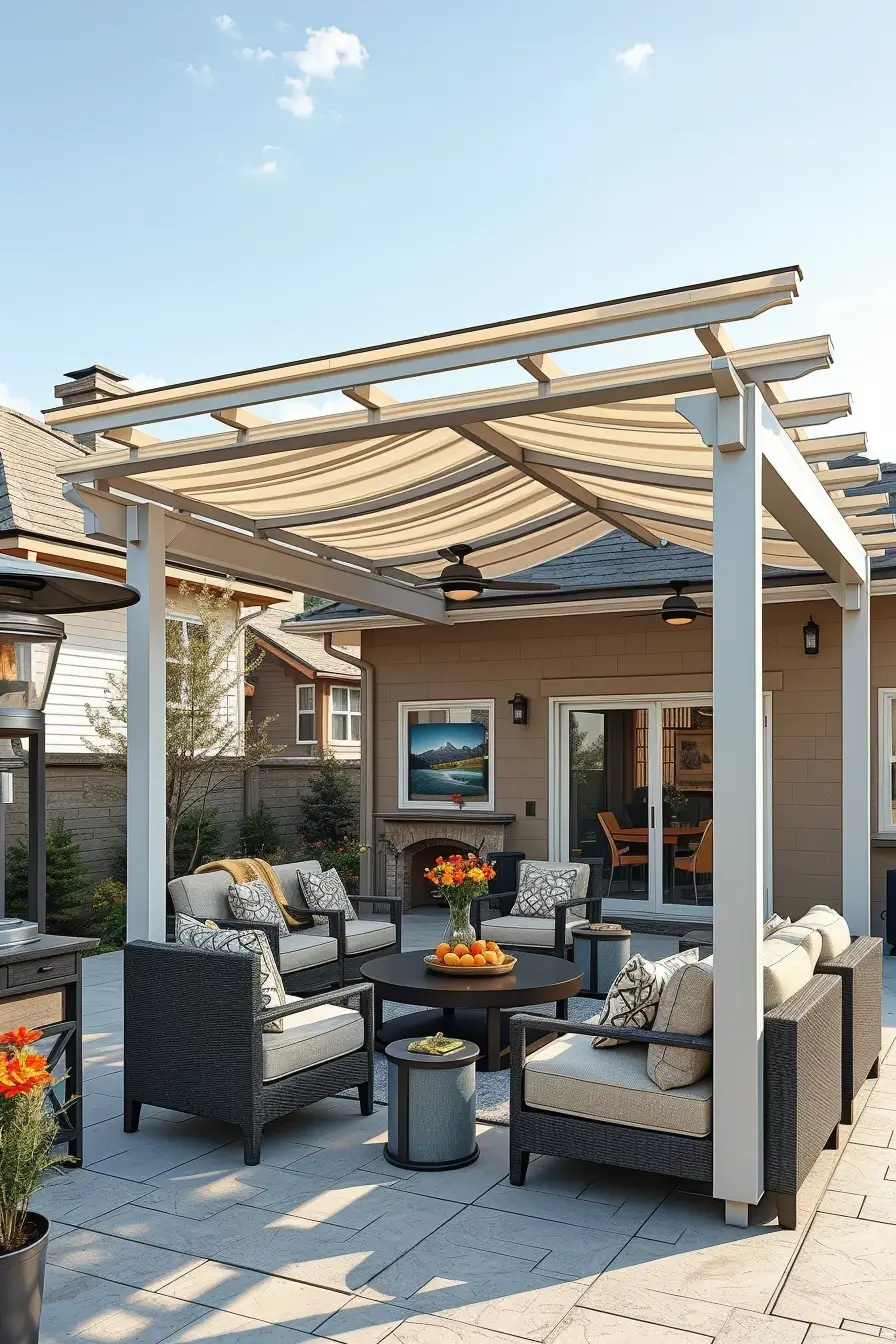
I include features such as outdoor-rated heaters, layered textiles, wind-blocking panels, and durable flooring materials. Seating is chosen for comfort and resilience, often with modular designs that can be rearranged depending on the season or activity.
From my perspective, year-round pergolas reflect a broader lifestyle shift toward maximizing outdoor living. Designers featured in Better Homes and Gardens often note that homeowners increasingly expect outdoor spaces to function like interior rooms, and I see this expectation growing rapidly.
What I would add here is integrated storage for seasonal accessories, making transitions between warm and cold months seamless and clutter-free.
26. Pergola Designs That Enhance Property Value
When I design pergolas with long-term value in mind, I treat them as architectural extensions of the home rather than decorative additions. In 2026, pergolas that enhance property value are structurally integrated, visually aligned with the house, and built using durable materials that age well. I focus on proportion, roof alignment, and material consistency so the pergola feels intentional and permanent.
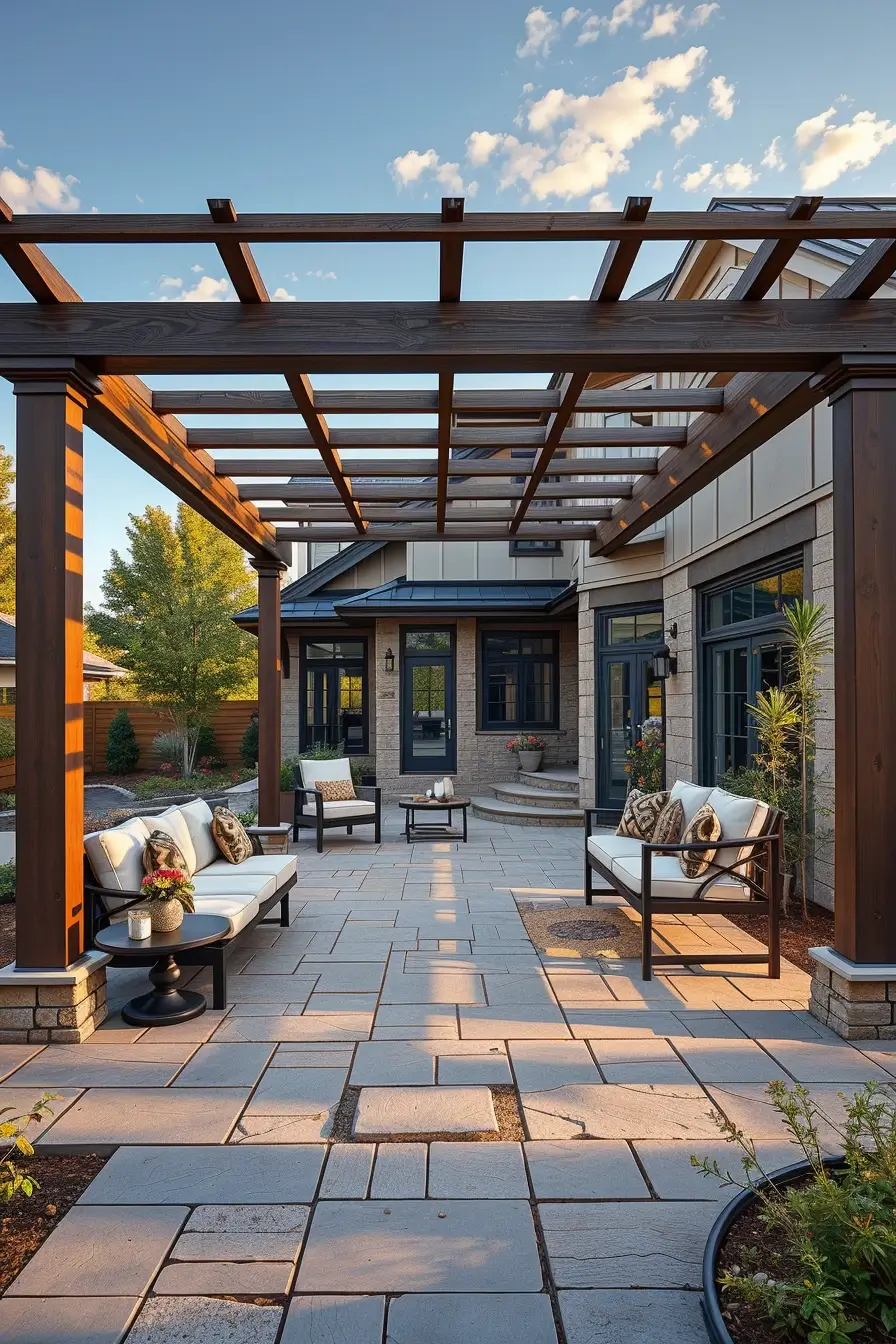
I typically specify high-quality aluminum or engineered wood structures, paired with stone or porcelain flooring that matches existing outdoor surfaces. Built-in seating, lighting, and power access elevate the pergola’s functionality, making it attractive to future buyers. These elements signal thoughtful planning and reduce the need for upgrades after purchase.
From my experience, real estate professionals often point out that defined outdoor living areas significantly increase perceived square footage. I’ve seen pergolas featured in listings become visual focal points that help properties stand out in competitive markets.
What I would add here is professional landscaping around the pergola base, as framing the structure with greenery strengthens its visual impact and reinforces its value.
27. Pergola Ideas With Neutral Color Palettes
Neutral color palettes dominate pergola ideas 2026 because they create calm, adaptable outdoor environments. I rely on soft grays, warm taupes, sand tones, and muted stone shades to design pergolas that remain timeless while supporting various décor updates over time. These palettes also reflect light beautifully, enhancing the sense of openness.
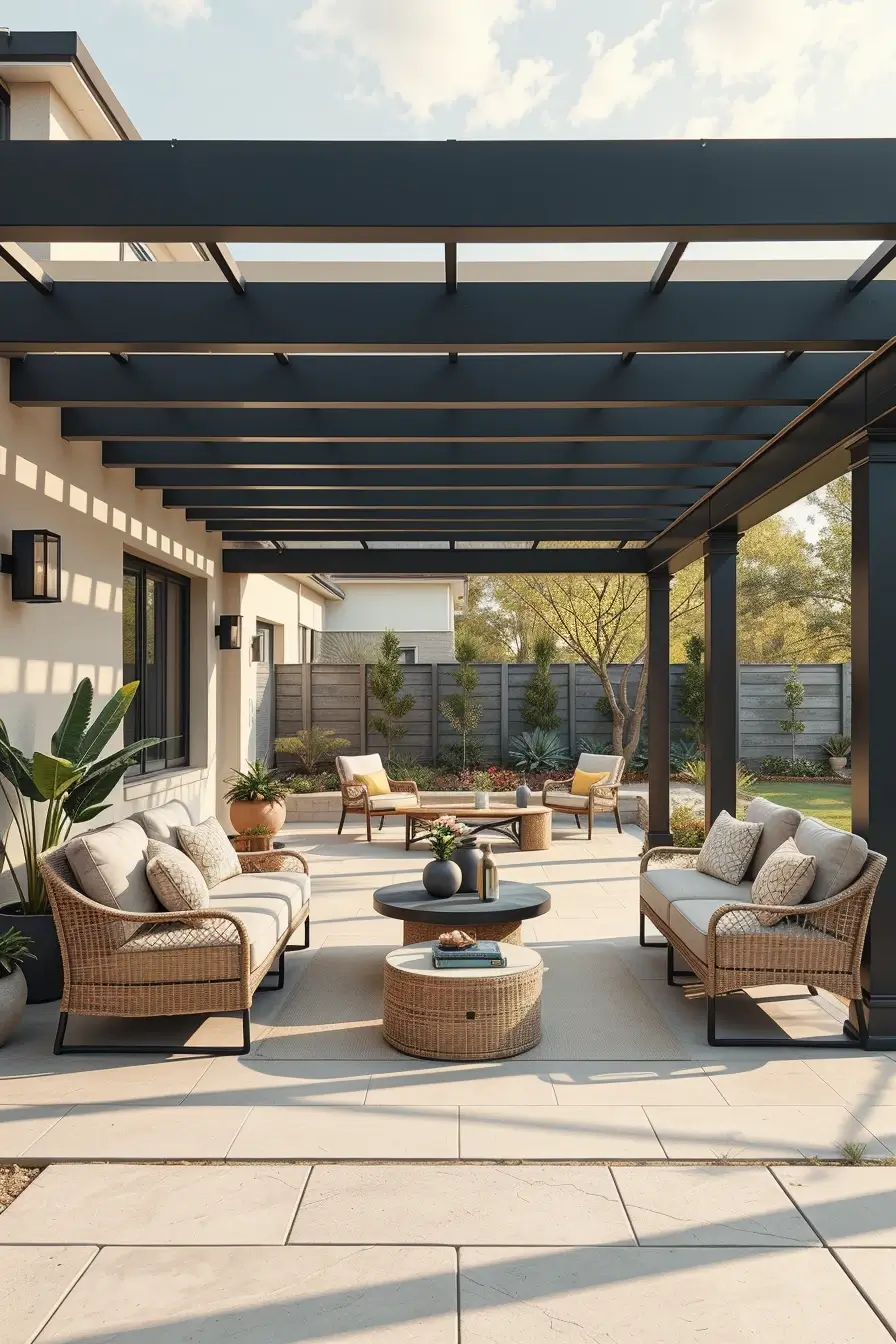
I choose furniture with textured neutral upholstery, paired with natural wood or metal frames. Accessories such as outdoor rugs, cushions, and planters stay within a restrained color range, allowing form and material to take center stage. This approach helps the pergola blend seamlessly into both modern and transitional landscapes.
Personally, I find neutral pergolas easier to refresh seasonally without redesigning the entire space. Designers in Elle Decor frequently note that neutral foundations offer the most design flexibility, and I’ve seen this proven repeatedly in real projects.
To strengthen this section, I would introduce subtle contrast through lighting temperature or material finishes, preventing the palette from feeling flat while preserving its elegance.
28. Pergola Ideas For Entertaining And Social Gatherings
Pergolas designed for entertaining focus on openness, flow, and social interaction. I plan these spaces to accommodate movement between seating, dining, and activity zones without congestion. In 2026, the emphasis is on flexible layouts that adapt to different group sizes and occasions.
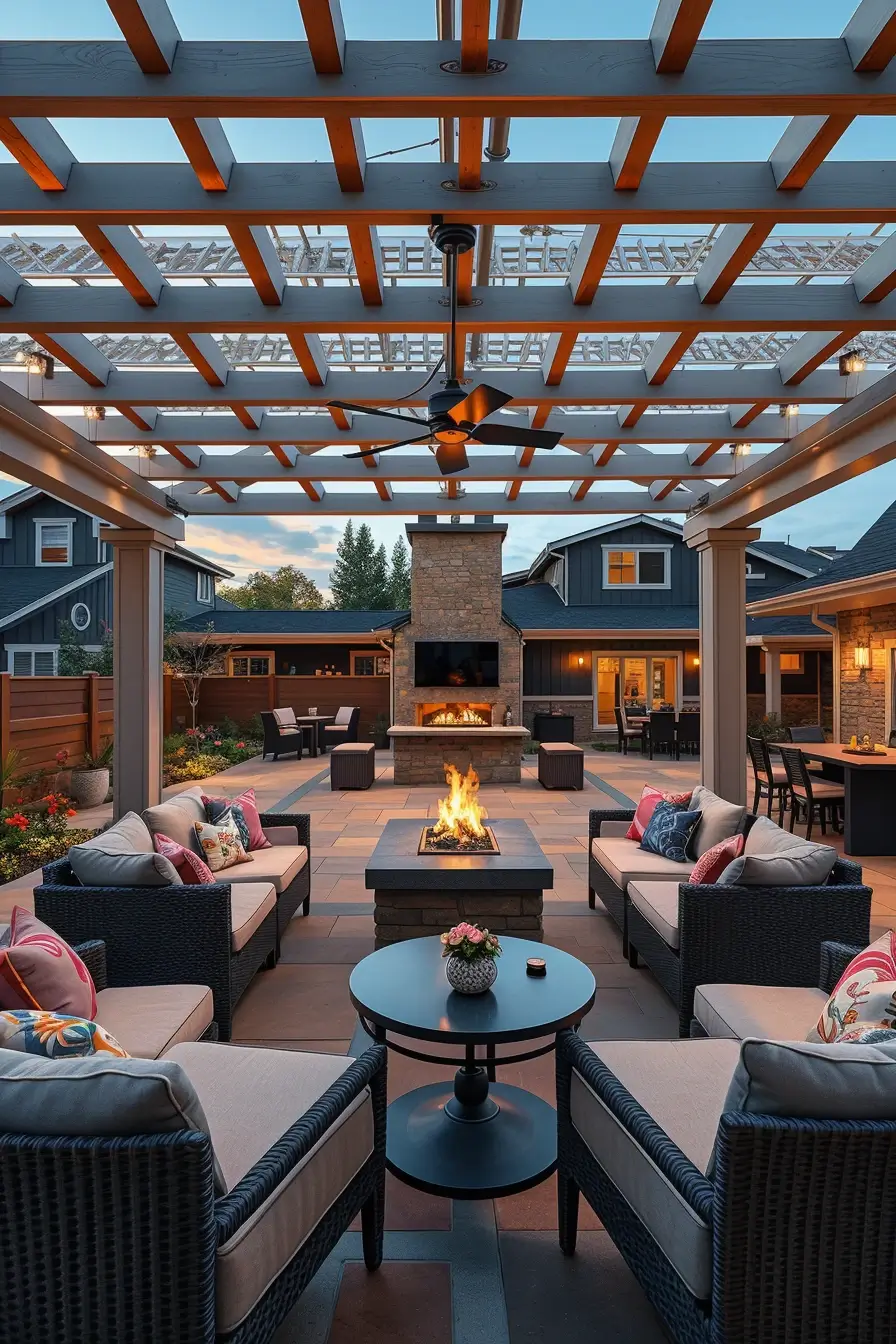
I often include modular sofas, bar-height tables, and integrated lighting that transitions from functional to ambient. Fire features or central coffee tables help anchor conversation areas, while open sides maintain visual connection to the rest of the outdoor space. Sound systems and layered lighting enhance the atmosphere without overpowering it.
From my professional perspective, outdoor entertaining succeeds when guests feel comfortable lingering. I’ve learned from industry insights in Better Homes and Gardens that comfort-driven layouts consistently outperform overly decorative setups.
What I would add here is a concealed power source for charging devices or powering accessories, ensuring modern social needs are met discreetly.
29. Pergola Trends Shaping Outdoor Living In 2026
Looking at broader outdoor trends, pergolas in 2026 reflect a shift toward intentional, lifestyle-driven design. I see pergolas becoming central hubs rather than peripheral features, designed to support work, relaxation, dining, and socializing in one cohesive space.
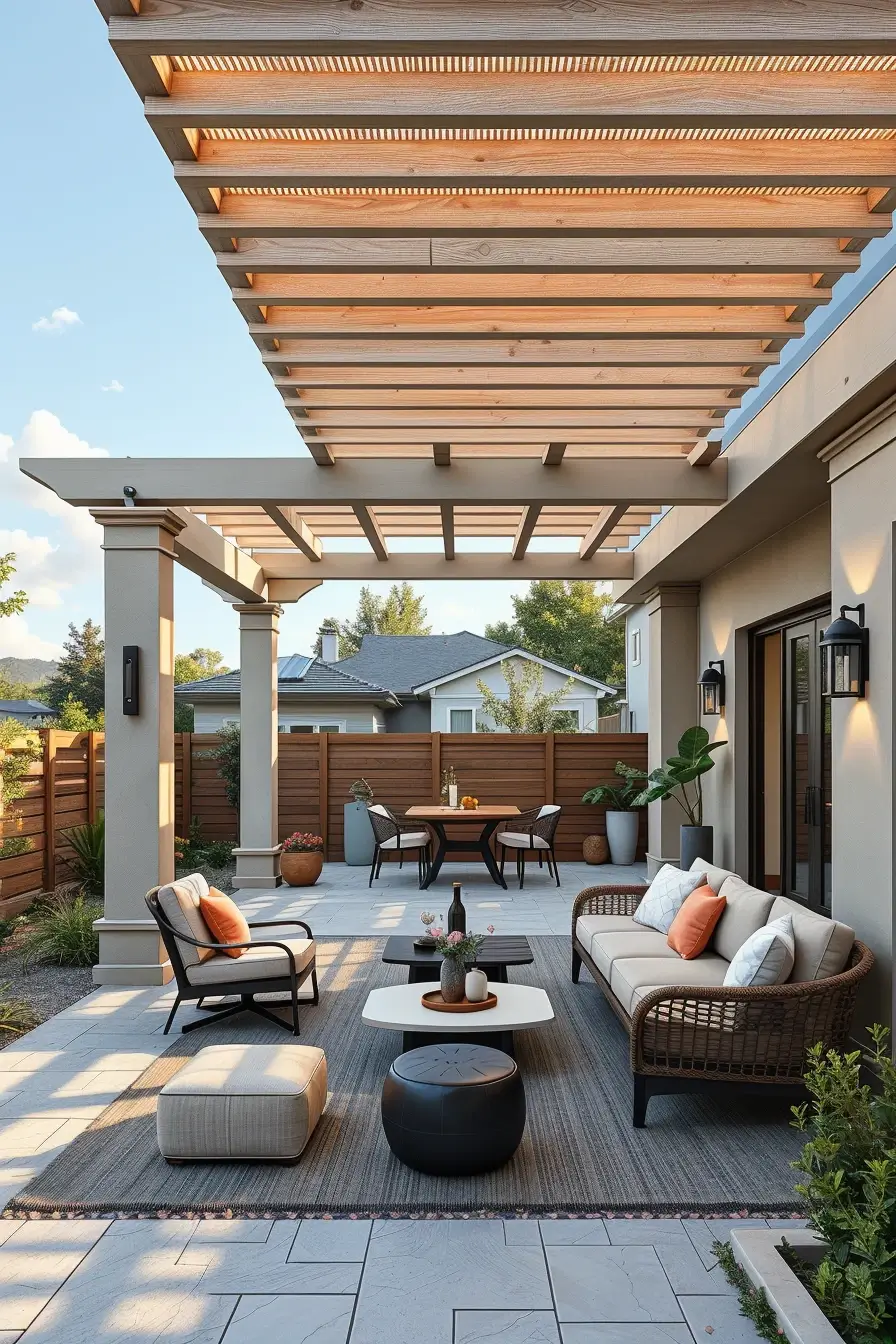
Materials are cleaner, forms are more architectural, and technology is integrated with restraint. I prioritize adaptable structures, subtle lighting systems, and furniture that balances comfort with visual simplicity. These trends align with how people actually use outdoor spaces daily.
In my view, the most successful pergola designs anticipate change. Publications like Dwell emphasize adaptability as the defining quality of modern outdoor living, and I consistently apply that principle in my work.
To complete this section, I would highlight the importance of planning pergolas during early landscape design stages rather than treating them as afterthoughts.
30. How Pergola Ideas 2026 Redefine Outdoor Design
In pergola ideas 2026, outdoor design is no longer secondary to interior planning. I see pergolas redefining how outdoor spaces are structured, turning patios and gardens into functional extensions of the home. The focus is on purpose, comfort, and architectural coherence.
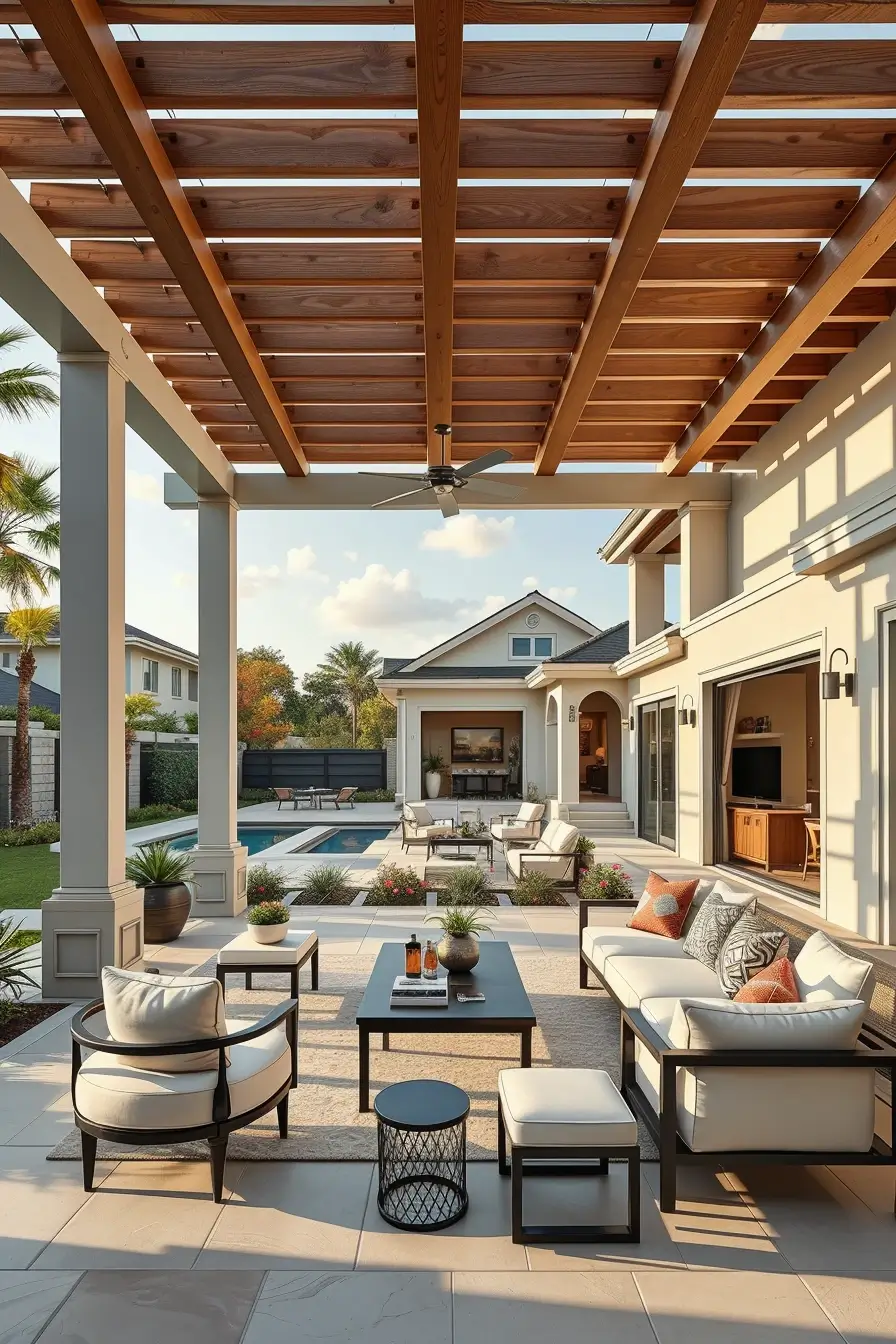
I design these pergolas with intentional zoning, durable finishes, and furnishings that support everyday use. Whether used for quiet mornings or large gatherings, the pergola becomes a flexible environment rather than a static feature.
From my experience, this shift reflects a deeper lifestyle change where outdoor living is integrated into daily routines. Leading U.S. design media consistently highlight this evolution, and I’ve witnessed firsthand how well-designed pergolas change how people engage with their homes.
What I would add is continued innovation in modular pergola systems, allowing homeowners to adapt layouts over time without major reconstruction.
Pergola ideas 2026 show how outdoor spaces are becoming smarter, more adaptable, and deeply connected to modern living. With innovative materials, flexible structures, and design-driven details, pergolas are no longer just decorative additions but essential elements of contemporary outdoor design. By choosing forward-thinking pergola concepts, homeowners can create comfortable, stylish, and future-ready outdoor spaces that enhance both everyday living and long-term value.