Outdoor spaces are no longer just patios with a table and a few chairs — in 2026, they are becoming true extensions of the home. Cozy and functional outdoor rooms are redefining how we relax, entertain, and even work, blending comfort with smart design. Homeowners are focusing on layered textures, flexible furniture, weather-resistant materials, and thoughtful layouts that make every square meter usable and inviting. From compact balconies to spacious backyards, outdoor areas are being transformed into living rooms, dining spaces, and peaceful retreats. The key trend this year is balance: creating a space that feels warm and welcoming while remaining practical for everyday life. In this guide, we’ll explore the ideas, trends, and design strategies that will help you create a cozy and functional outdoor room in 2026.
1. The Rise Of Cozy And Functional Outdoor Rooms In 2026
In 2026, I see outdoor spaces evolving from simple patios into fully realized living environments. Homeowners are no longer satisfied with a grill and a few chairs. Instead, they want cozy and functional outdoor rooms that mirror the comfort of interior spaces. I design these areas as extensions of the home, with defined zones for lounging, dining, and even working. Architectural elements such as partial walls, pergolas, and built-in planters help create a sense of enclosure while maintaining openness to nature.
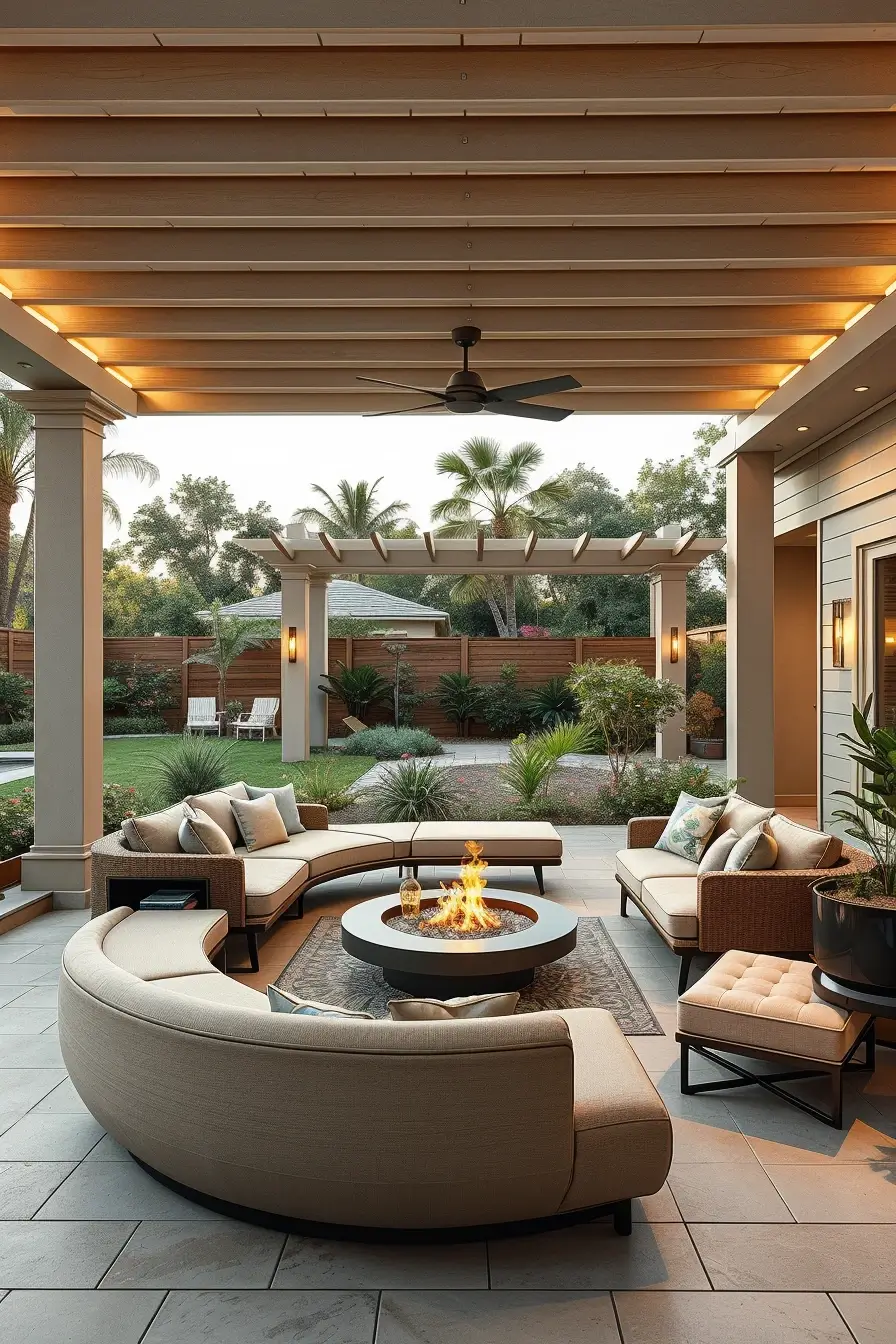
When planning such a space, I focus on structured layouts and high-quality furnishings. A deep outdoor sofa with curved, streamlined lines anchors the seating area, while a low-profile fire table adds warmth and usability throughout the year. I include side tables in powder-coated aluminum, modular seating for flexibility, and layered lighting such as wall sconces and lantern-style pendants. Each piece is selected for durability and visual harmony, ensuring the space feels intentional rather than improvised.
From my experience, publications like Architectural Digest frequently emphasize that outdoor living is now considered essential rather than optional in modern home design. I agree completely. Clients consistently tell me that their outdoor rooms become the most used spaces in spring and summer. If something is missing here, it is integrated storage. I always recommend built-in benches with hidden compartments or weatherproof cabinets to keep cushions and accessories organized and protected.
2. Top Outdoor Room Design Trends Defining 2026
The defining trends of 2026 focus on organic shapes, natural palettes, and multifunctionality. I notice a strong shift toward creative, curved silhouettes in seating and architectural features. Straight, rigid lines are giving way to softer forms that feel welcoming and modern. Neutral tones such as warm beige, clay, sage, and charcoal dominate, creating a calming backdrop that connects seamlessly with the landscape.
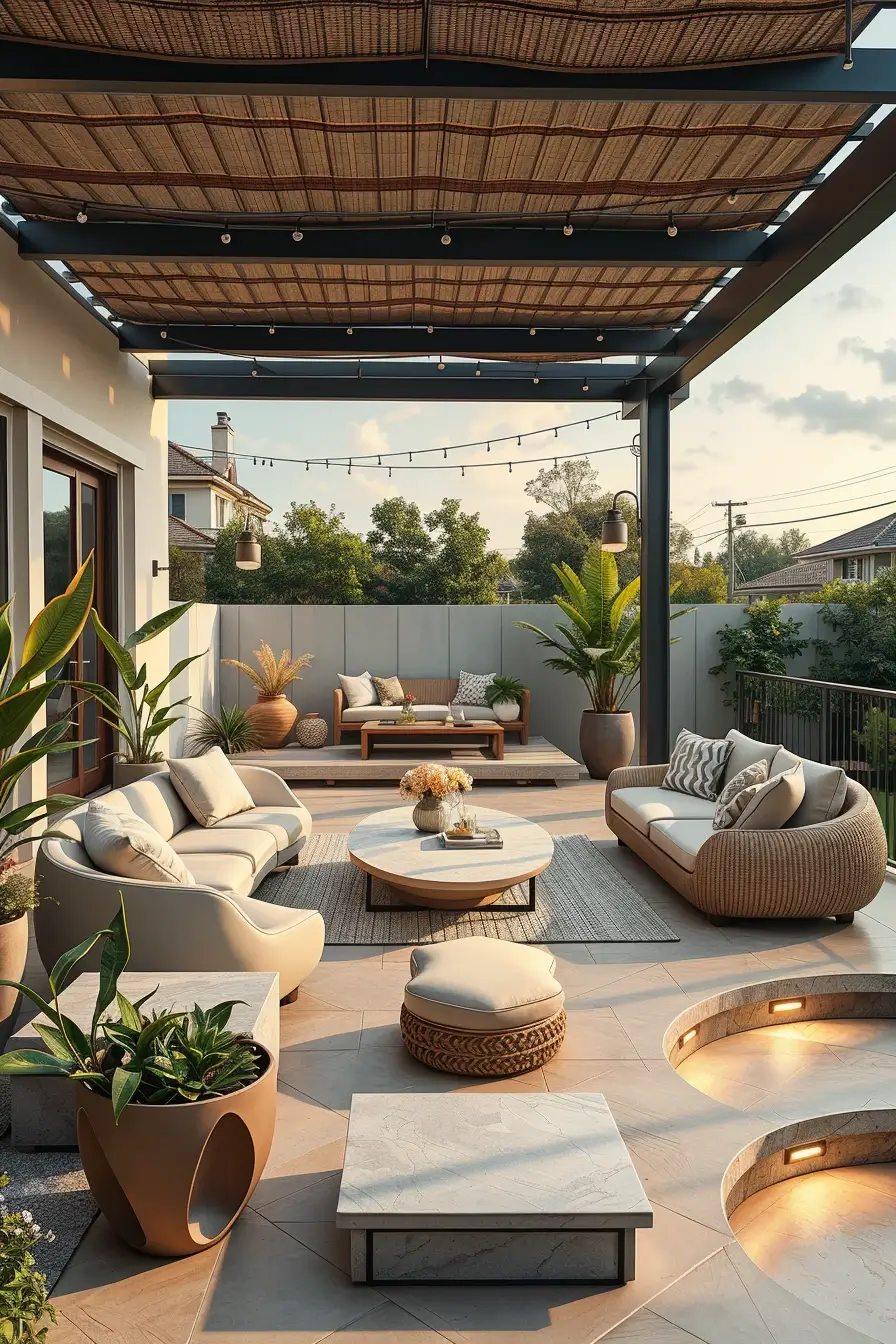
I often incorporate sculptural lounge chairs, oval coffee tables, and rounded sectionals upholstered in textured outdoor fabrics. A statement piece, such as a designer woven daybed, can instantly elevate the entire composition. I combine these with streamlined planters in fiber cement, integrated LED strip lighting along steps, and minimalist outdoor shelving for decor. These elements provide both style and functionality, reinforcing the idea of stylish, designer furniture that performs as beautifully as it looks.
In my professional opinion, the biggest mistake homeowners make is following trends without considering climate. Well-known landscape designers in the US often advise prioritizing regional materials. I support this approach and always adapt finishes and fabrics to local weather conditions. What may be missing in trend-focused designs is shade planning. I recommend incorporating retractable awnings or motorized pergola louvers to ensure year-round usability.
3. How To Create A Cozy Outdoor Living Room Layout
When I design an outdoor living room layout, I start with spatial flow. A successful layout clearly defines conversation areas while allowing comfortable circulation. I treat the space as I would an interior room, positioning seating around a focal point such as a fireplace, fire pit, or panoramic view. Rugs and furniture placement help establish boundaries without physical walls.
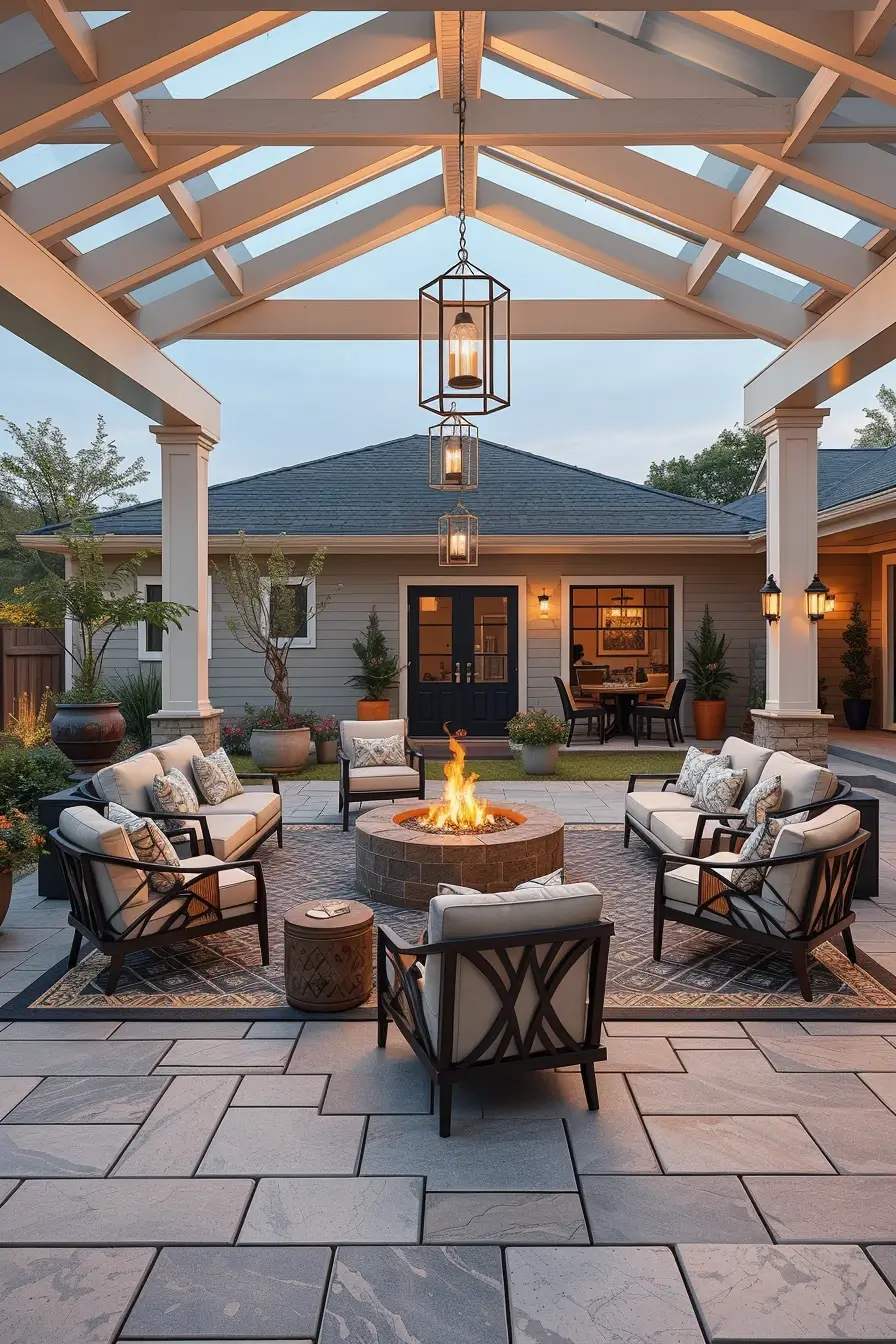
I include a central sectional or a pair of deep lounge sofas arranged in a U-shape to encourage interaction. Accent chairs with streamlined frames balance the composition, while a generously sized coffee table provides practical surface space. Lighting is layered thoughtfully: overhead pendant lighting under a pergola, floor lanterns near seating, and subtle path lighting along the perimeter. I also integrate side consoles or slim storage units to keep the area functional and uncluttered.
Personally, I find that comfort depends on proportion. Furniture that is too small can make the space feel temporary, while oversized pieces can overwhelm it. I often refer to design guidance from House Beautiful, which highlights scale and zoning as key to successful outdoor layouts. What should be added here is a weather-conscious flooring solution. I recommend porcelain pavers or composite decking that remain slip-resistant and durable in changing weather conditions.
4. Functional Patio Furniture Ideas For Everyday Comfort
In 2026, patio furniture must go beyond aesthetics. I prioritize ergonomics and durability just as much as visual appeal. The goal is to create cozy and functional outdoor rooms that support daily routines, whether it is morning coffee, remote work, or evening gatherings. I select furniture that offers proper back support, generous seat depth, and adaptable configurations.
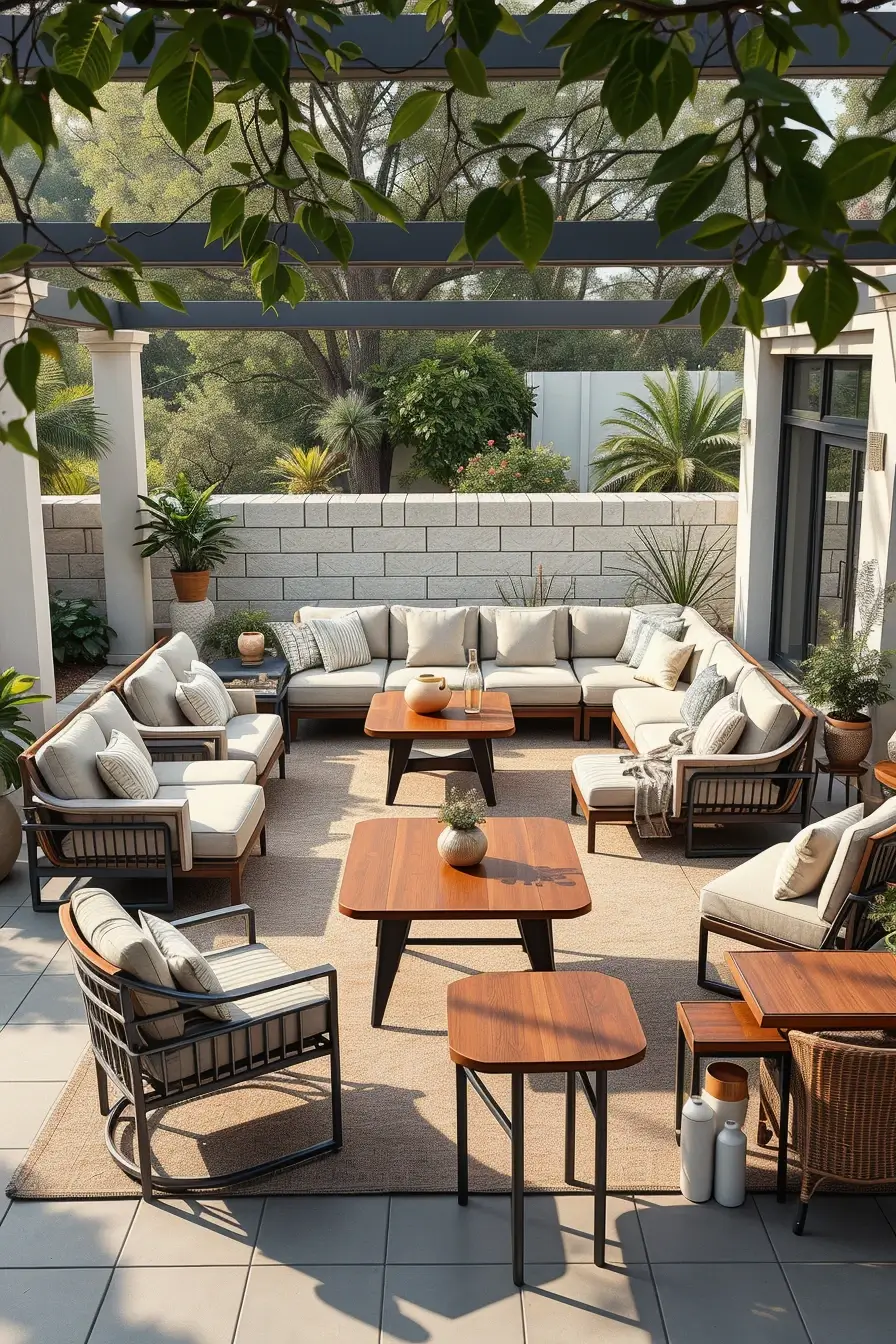
A modular sectional with removable cushions allows flexibility, while adjustable lounge chairs provide personalized comfort. I often include nesting tables for versatility, weatherproof ottomans for additional seating, and a dining table crafted from teak or aluminum for longevity. Materials such as powder-coated steel frames and high-performance cushions ensure that the furniture withstands moisture and sun exposure without losing its elegance.
From my experience, investing in quality pays off in the long term. Well-known outdoor furniture brands frequently stress the importance of frame construction and UV-resistant fabrics. I always advise clients to test seating depth and cushion density before purchasing. What may be missing in many patios is multifunctional furniture. I suggest adding benches with built-in storage or convertible dining tables that can expand for entertaining.
5. Outdoor Sectionals And Modular Seating For Flexible Spaces
Outdoor sectionals have become central to modern exterior design. I use them to create adaptable seating zones that evolve with different occasions. Modular systems allow homeowners to reconfigure pieces depending on whether they are hosting guests or enjoying a quiet evening. This flexibility defines truly cozy and functional outdoor rooms.
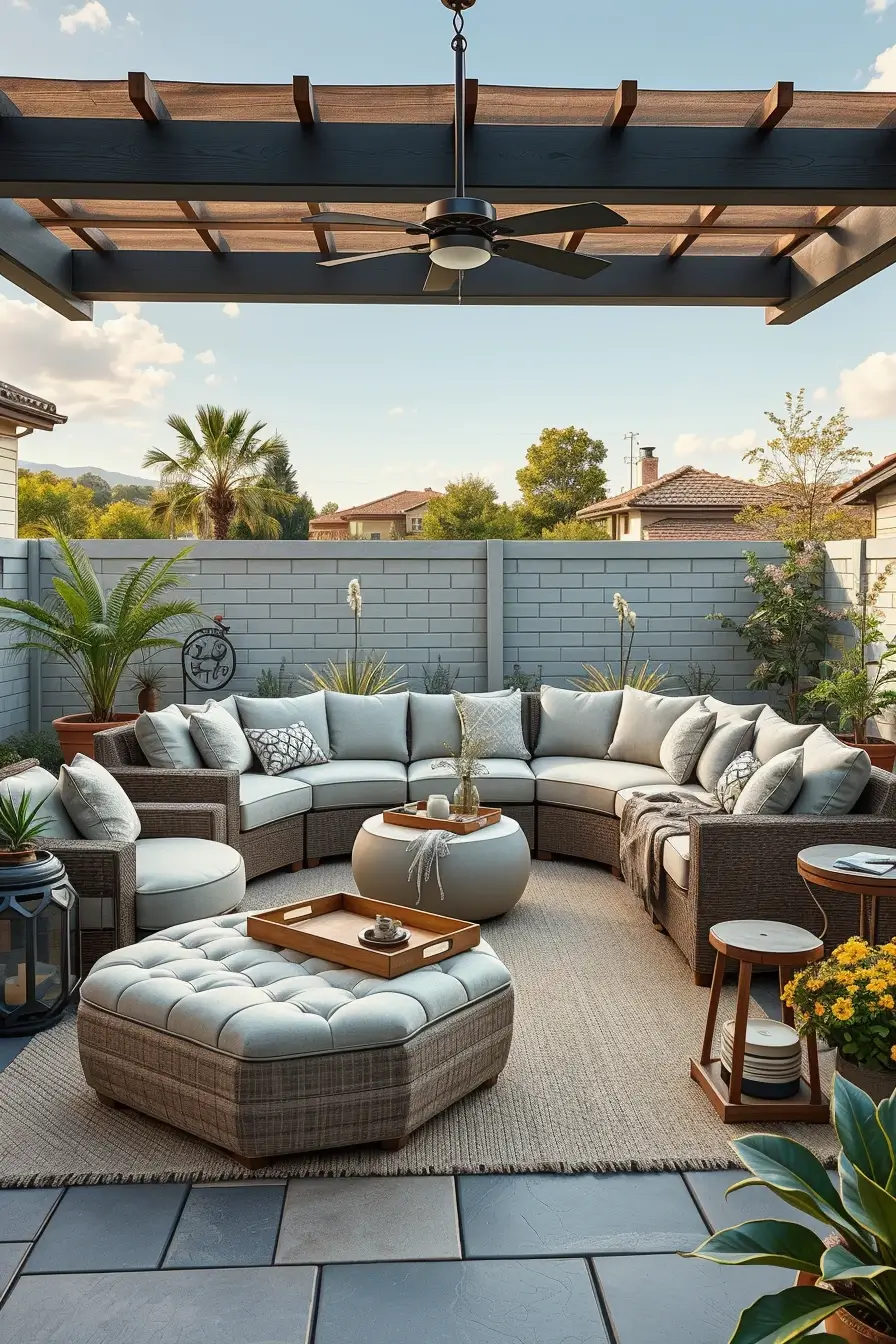
I choose sectionals with curved, streamlined silhouettes to soften the overall look of the space. Performance upholstery in neutral tones keeps the design timeless, while accent pillows introduce subtle texture and color. I often add a matching ottoman that doubles as a coffee table with a tray on top. Side tables in concrete or ceramic complete the arrangement, offering durability and visual contrast.
In my professional opinion, modular seating reflects how people actually live today. Spaces must adapt quickly and effortlessly. I also recommend considering weight and mobility when selecting pieces. Lightweight aluminum frames make rearranging easier, while integrated connectors keep sections stable. To complete the composition, I would add a complementary outdoor rug to anchor the seating area and enhance the feeling of an outdoor room rather than an open patio.
6. Weather-Resistant Fabrics That Feel Soft And Luxurious
When I design cozy and functional outdoor rooms, I never compromise on textiles. In 2026, weather-resistant fabrics are no longer stiff or overly synthetic in appearance. Today’s performance materials are engineered to withstand sun, rain, and humidity while maintaining a soft, almost indoor-like feel. I carefully select fabrics that balance durability with comfort, ensuring the outdoor room feels inviting rather than purely practical.
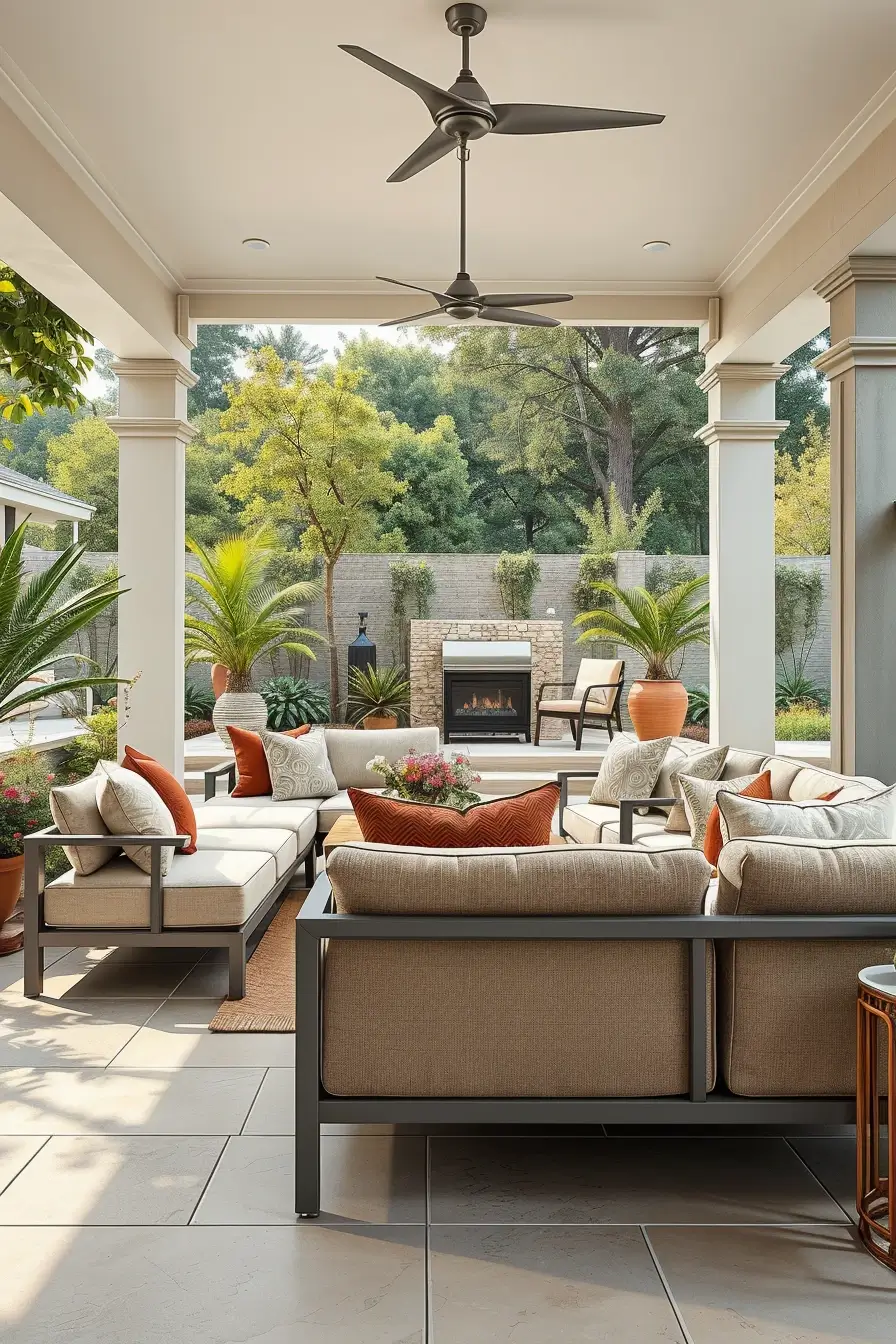
I typically choose solution-dyed acrylics, performance olefin blends, and advanced outdoor bouclé fabrics for cushions and upholstery. These materials resist fading, mold, and stains, which is essential for long-term functionality. I also incorporate removable cushion covers for easy maintenance and quick seasonal refreshes. Decorative throw pillows in textured weaves, subtle stripes, or tonal patterns add visual interest while remaining cohesive with the overall neutral palette. Each fabric decision supports both longevity and tactile comfort.
In my experience, many US-based designers emphasize the importance of fabric technology in outdoor design, and I completely agree. Softness encourages people to linger, transforming a patio into a true extension of the home. What is often missing, however, is proper ventilation planning. I always recommend breathable cushion inserts and slightly elevated seating bases to promote airflow and prevent moisture buildup underneath.
7. Layering Outdoor Textiles For A Warm And Inviting Atmosphere
Layering textiles is one of the most effective ways I create warmth in outdoor settings. Even the most stylish, designer furniture can feel incomplete without soft layers that add depth and personality. In 2026, layering is intentional and refined rather than excessive. I focus on combining textures that complement each other while maintaining a cohesive color story.
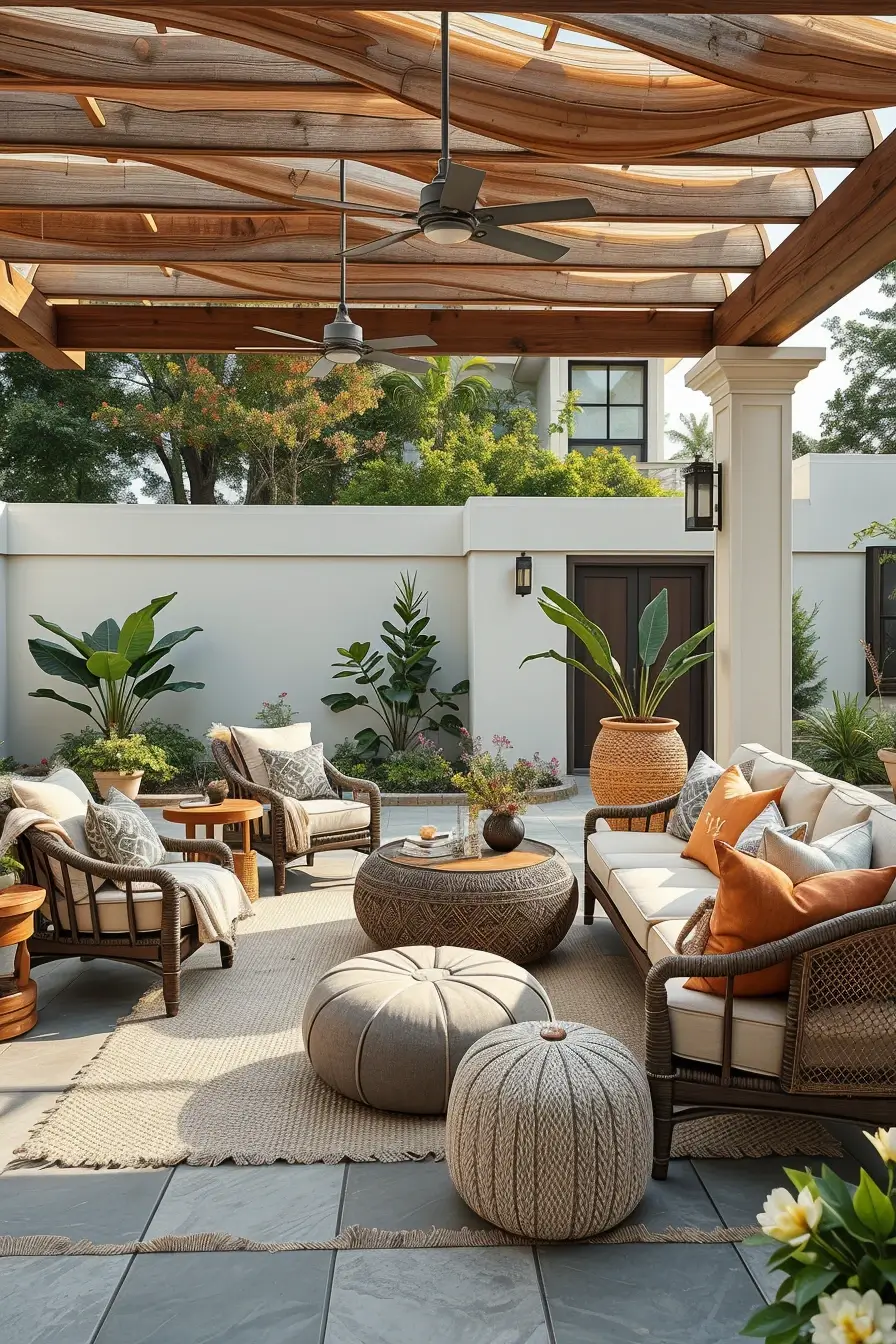
I start with a durable base cushion in a neutral tone, then add textured throw blankets in lightweight outdoor knits or performance linen blends. Accent pillows in varying sizes introduce dimension, while subtle piping or contrast trim adds tailored detail. I may include an outdoor pouf upholstered in weather-resistant fabric to provide additional seating and texture. These elements soften the architectural lines and enhance the sense of enclosure within the space.
Personally, I believe thoughtful layering elevates outdoor rooms to the same standard as interior living rooms. Designers frequently recommend limiting the color palette to avoid visual clutter, and I follow this principle closely. If anything is missing from layered outdoor spaces, it is seasonality. I advise swapping lighter throws for heavier woven options in cooler months to maintain comfort and practicality throughout the year.
8. Outdoor Rugs That Define And Elevate Your Space
Outdoor rugs play a crucial role in defining zones and anchoring furniture arrangements. When I create layouts for cozy and functional outdoor rooms, I treat rugs as foundational design elements rather than accessories. They visually separate seating and dining areas, making the space feel intentional and organized.
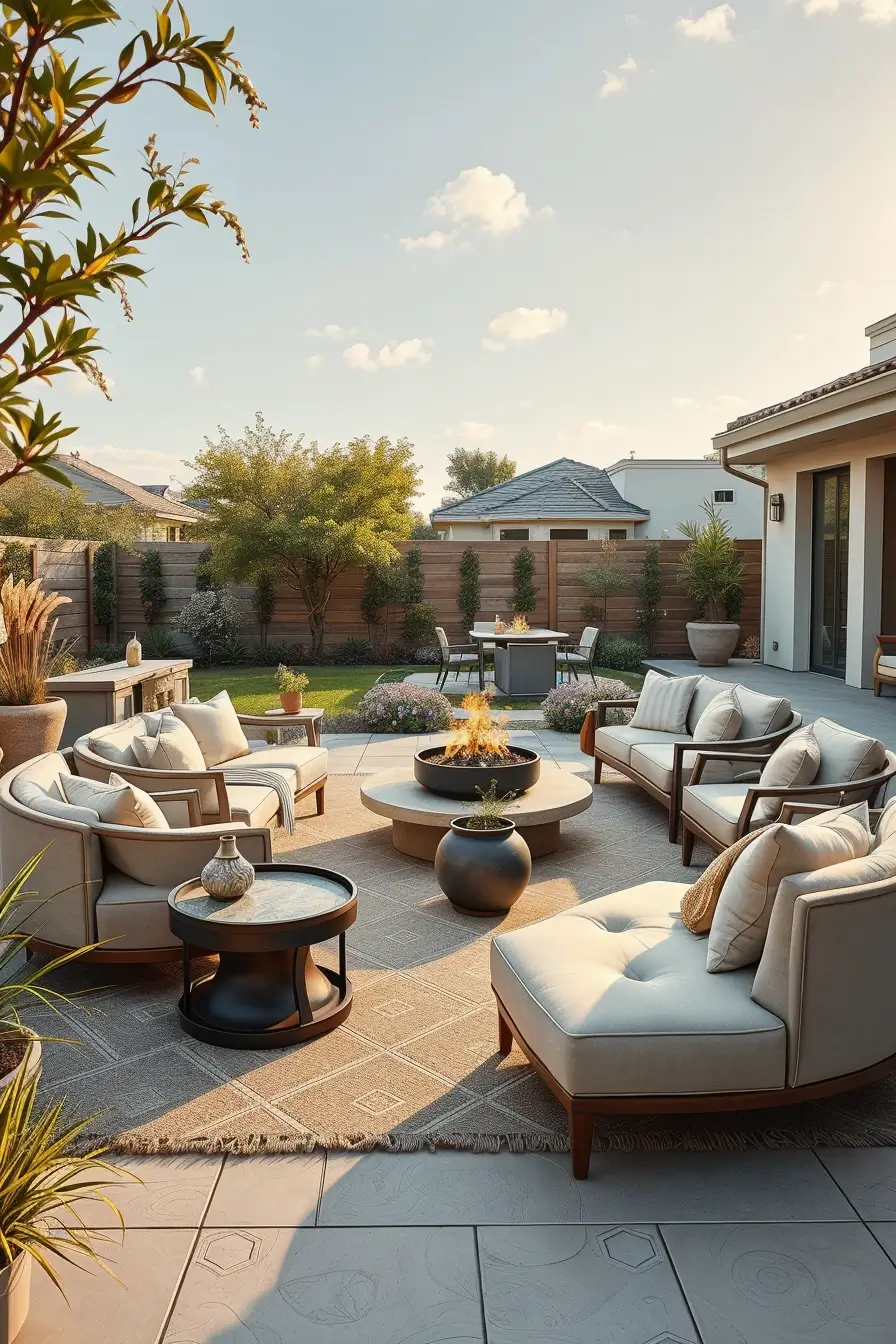
I choose rugs made from polypropylene or recycled PET fibers because they are resistant to moisture and fading. Subtle geometric patterns, organic textures, or woven natural-look finishes complement creative, curved, streamlined furniture silhouettes. The size of the rug is equally important. I ensure that at least the front legs of seating pieces rest on the rug to create cohesion. In larger patios, I may layer a smaller textured rug over a larger neutral base to add dimension.
From my professional perspective, scale and placement determine whether a rug enhances or disrupts the design. I often advise clients to measure carefully before purchasing. What many people overlook is drainage. I recommend pairing rugs with well-designed flooring systems, such as slightly sloped pavers, to prevent water from pooling underneath and prolong the rug’s lifespan.
9. Stylish Pergolas And Covered Patio Ideas For All Seasons
Structural elements such as pergolas transform patios into true outdoor rooms. In 2026, pergolas are more architectural and refined, often featuring clean lines and integrated lighting. I design these structures to provide shade, weather protection, and visual definition while preserving openness to the outdoors.
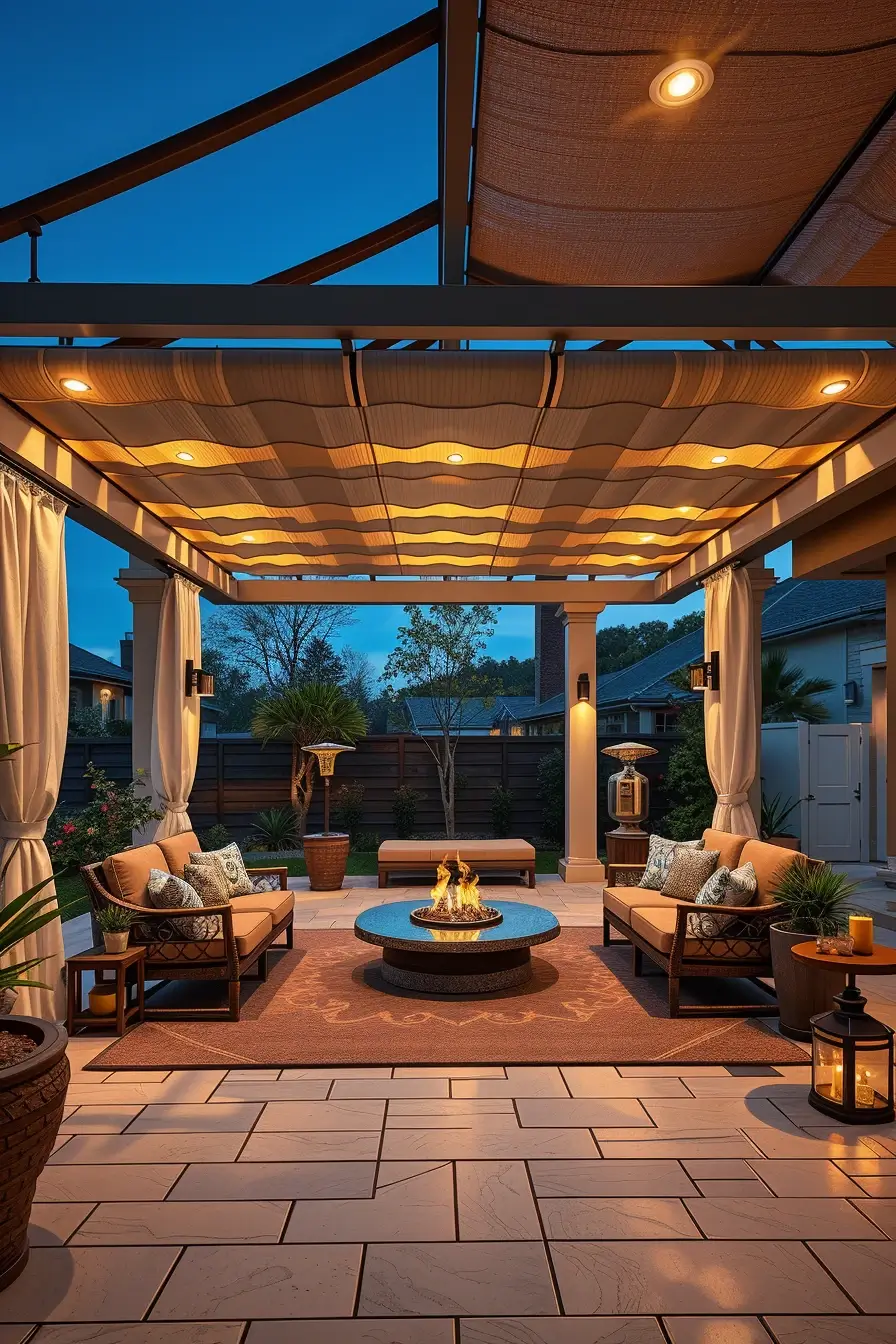
I frequently incorporate aluminum or wood pergolas with adjustable louvers for flexibility. Integrated LED strip lighting within beams creates ambient evening illumination, while ceiling-mounted heaters extend usability into cooler months. Sheer outdoor curtains add softness and privacy without blocking airflow. Beneath the pergola, I arrange curved, streamlined seating, a fire feature, and side tables to establish a cohesive and functional composition.
In my opinion, a well-designed pergola is one of the most valuable investments for an outdoor space. Many design publications highlight the importance of shade and protection for year-round comfort, and I consistently see how transformative it can be. What may be missing in some designs is proper drainage integration. I always ensure water runoff is directed away from seating areas to maintain comfort and longevity.
10. Small Backyard Outdoor Room Ideas That Maximize Space
Designing small backyards requires precision and intention. I approach compact areas with the same care as larger projects, focusing on proportion, multifunctionality, and visual openness. Even limited square footage can support cozy and functional outdoor rooms when planned strategically.
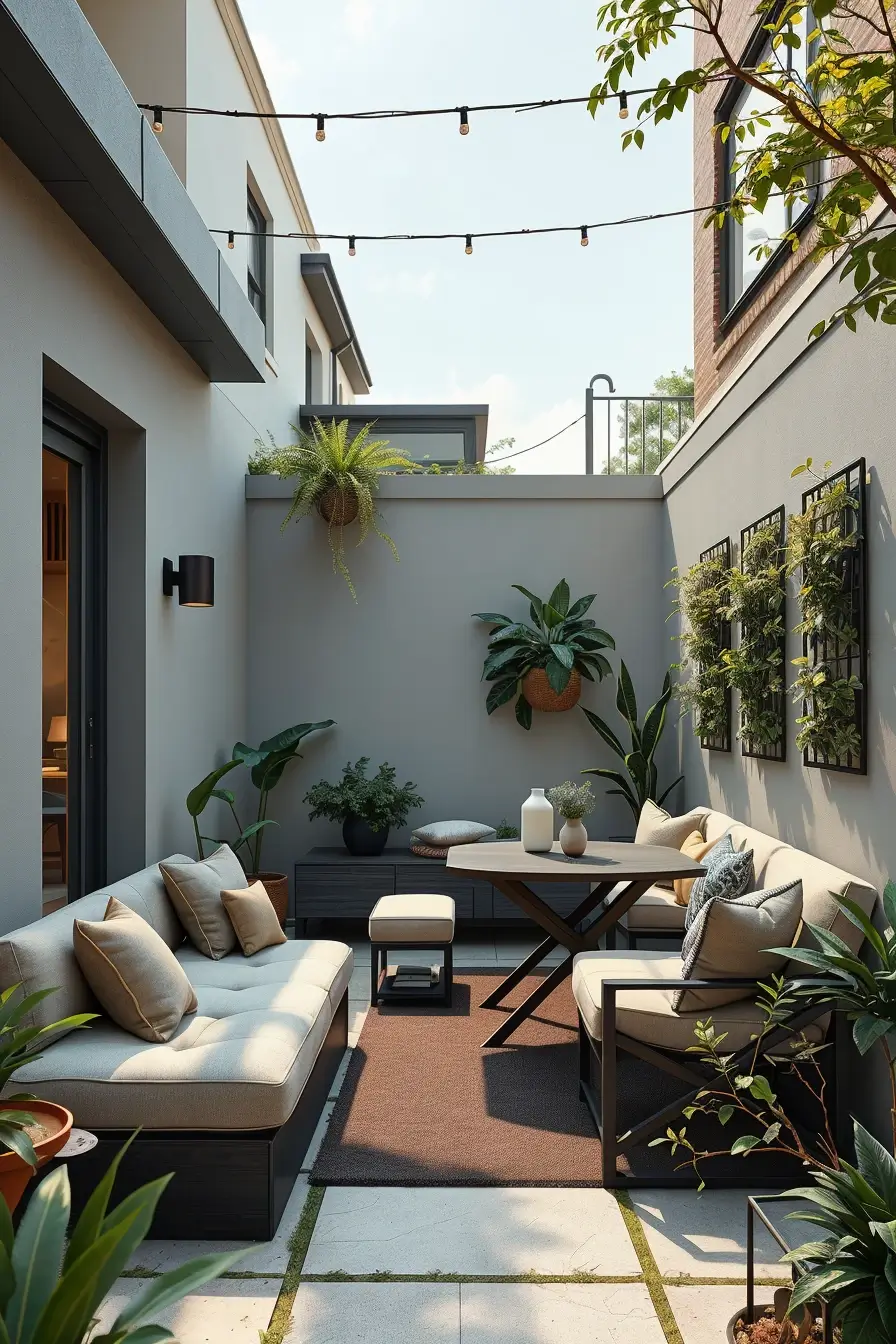
I prioritize modular seating with slim profiles and raised legs to create a sense of lightness. Built-in benches along perimeter walls maximize seating without cluttering the center. Foldable dining tables or wall-mounted drop-leaf surfaces add versatility. Vertical elements such as trellises with climbing greenery or wall-mounted planters enhance privacy while conserving floor space. A neutral color palette helps maintain visual continuity and prevents the area from feeling cramped.
From my experience, restraint is key in smaller spaces. I often remind clients that every item must serve a purpose. What should be added to compact outdoor rooms is layered lighting at different heights, such as wall sconces and table lanterns. This creates depth and dimension, making even the smallest backyard feel thoughtfully designed and inviting.
11. Budget-Friendly Outdoor Room Makeover Ideas
When I work with clients who want to refresh their outdoor space without overspending, I focus on structure first. A clear zoning plan instantly makes an area feel intentional. Even a small patio can become a defined “room” when I use an outdoor rug, a compact sectional, and vertical elements like slatted wood screens. Neutral bases combined with textured fabrics create warmth, while streamlined layouts prevent clutter. I always prioritize durability and weather resistance because practicality is what makes a budget design successful long term.
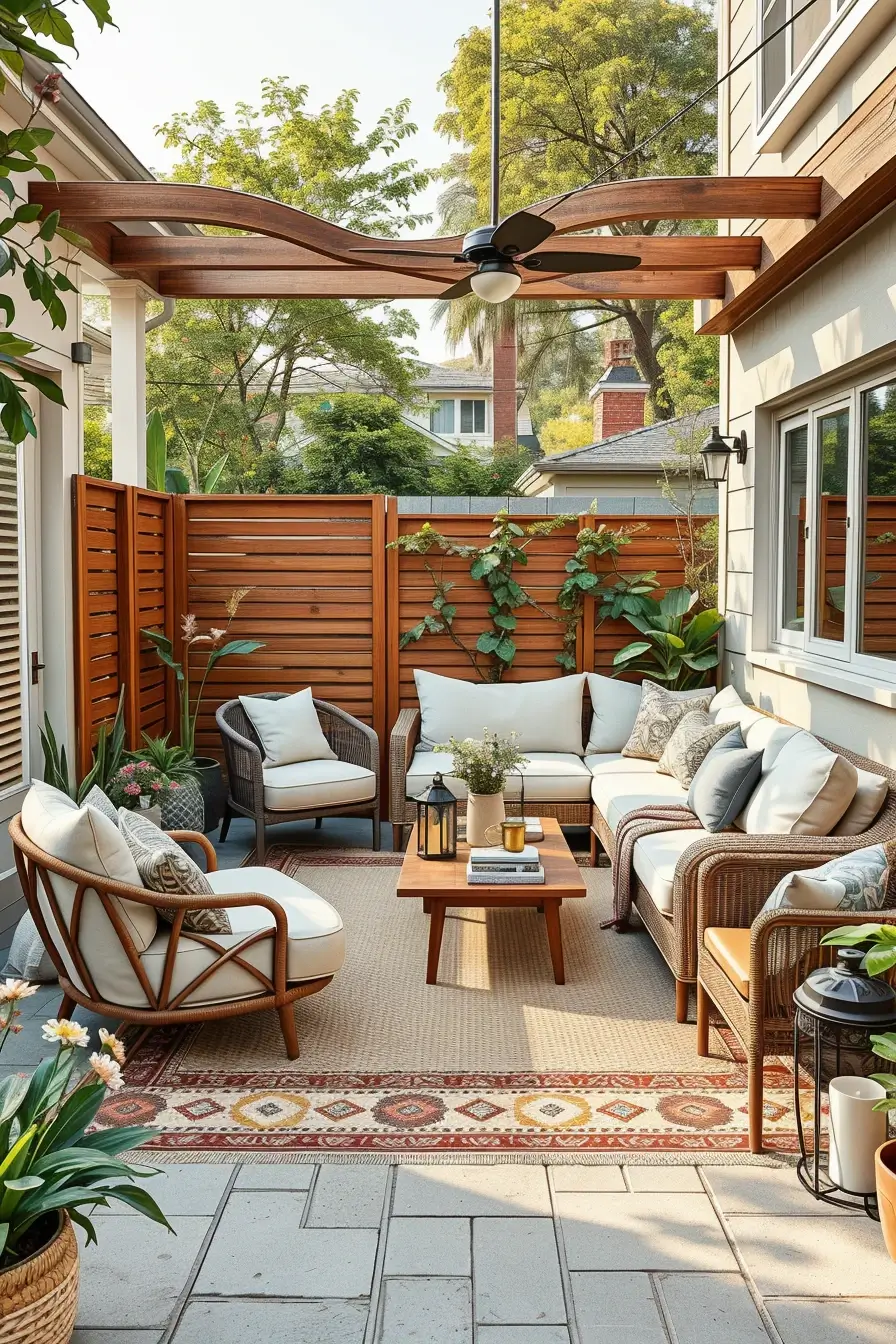
I recommend investing in a comfortable but affordable modular sofa with washable cushions, a weather-resistant woven rug, and a small coffee table with hidden storage. Curved accent chairs soften hard architectural lines and introduce that modern 2026 aesthetic. Solar lanterns, outdoor poufs, and layered throw pillows elevate the look without inflating the budget. I often add a narrow console or storage bench against a wall to keep essentials organized while maintaining a stylish, designer feel.
Personally, I believe budget-friendly never means compromising on taste. Many designers featured in Better Homes & Gardens emphasize mixing high and low elements — and I agree. I often suggest allocating funds to one statement piece, like a sculptural chair, while keeping the rest simple. What could enhance this section further is a small breakdown of seasonal textile swaps, which I would include to show how easily the space can transition from spring freshness to cozy autumn tones.
12. Luxury Outdoor Lounge Designs With High-End Details
When designing a luxury outdoor lounge, I approach it as I would a high-end living room. I think about symmetry, flow, and focal points. Oversized seating arrangements with curved silhouettes define the space, while natural stone flooring or large-format porcelain tiles provide a sophisticated base. I often integrate pergolas with retractable canopies to control sunlight and enhance comfort. The key is to make the room feel seamless, refined, and intentionally curated.
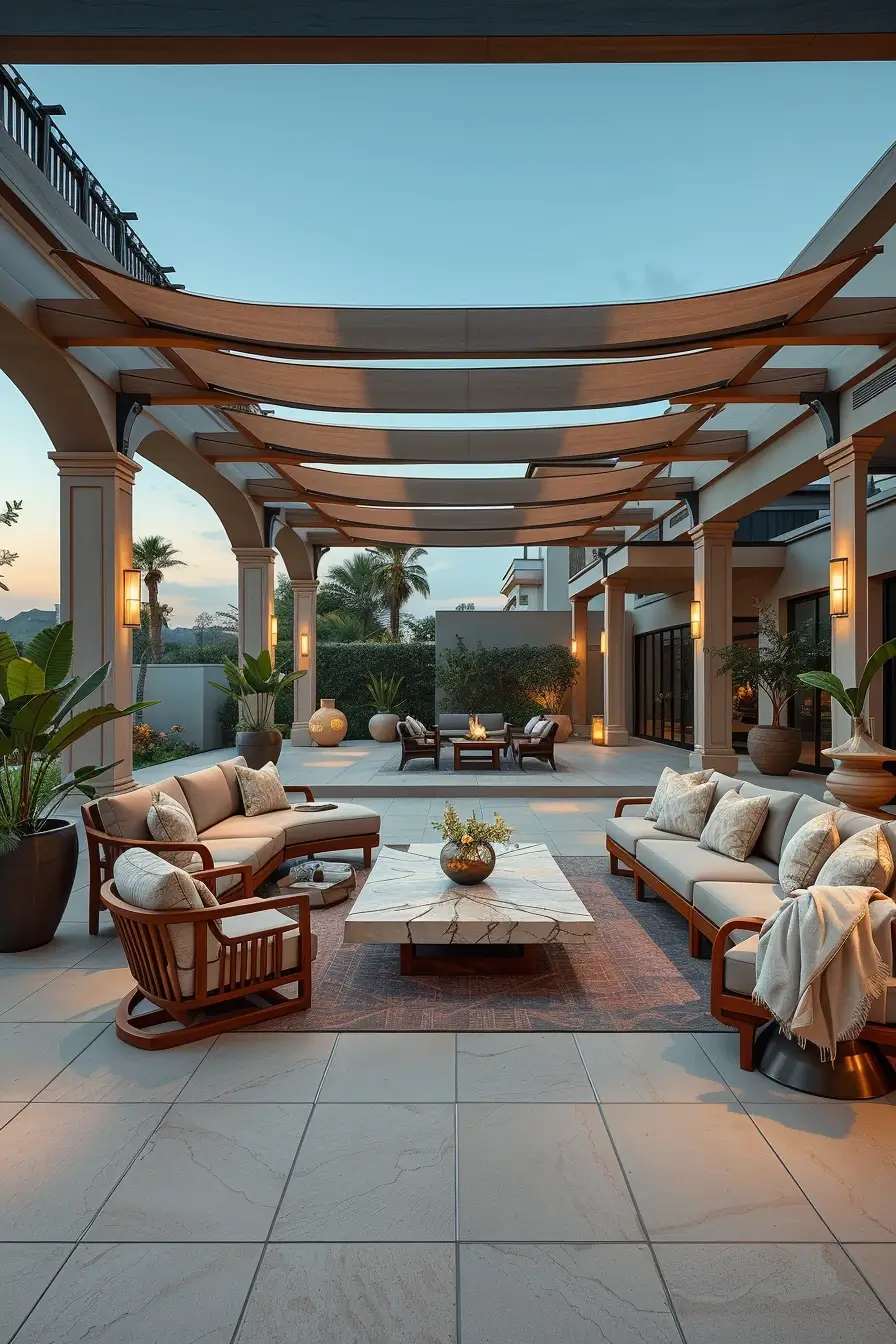
High-end materials matter. I select teak or powder-coated aluminum frames for longevity, upholstered in performance fabrics like Sunbrella. Sculptural coffee tables in travertine or sintered stone add elegance. I also incorporate layered lighting — recessed floor lights, statement pendants, and concealed LED strips. Designer side tables, plush outdoor rugs, and artistic planters complete the look. Every piece serves both aesthetic and practical purposes, reinforcing the balance between beauty and usability.
From my experience, luxury is about detail and proportion. Architectural Digest often highlights the importance of scale in outdoor design, and I fully agree. Oversized furniture in a small yard overwhelms the space. I carefully measure and visualize before finalizing layouts. To elevate this section further, I would add integrated heating systems or automated shading solutions, ensuring year-round comfort and reinforcing the functionality aspect.
13. Outdoor Lighting Ideas To Create A Cozy Evening Ambiance
Lighting is the element that transforms an outdoor area from simple to magical. I always start with layered lighting: ambient, task, and accent. Warm white LED lights create intimacy, while pathway lights improve safety. In 2026, hidden lighting integrated into steps, benches, and planters is especially popular. It highlights architecture while maintaining a streamlined, uncluttered appearance.
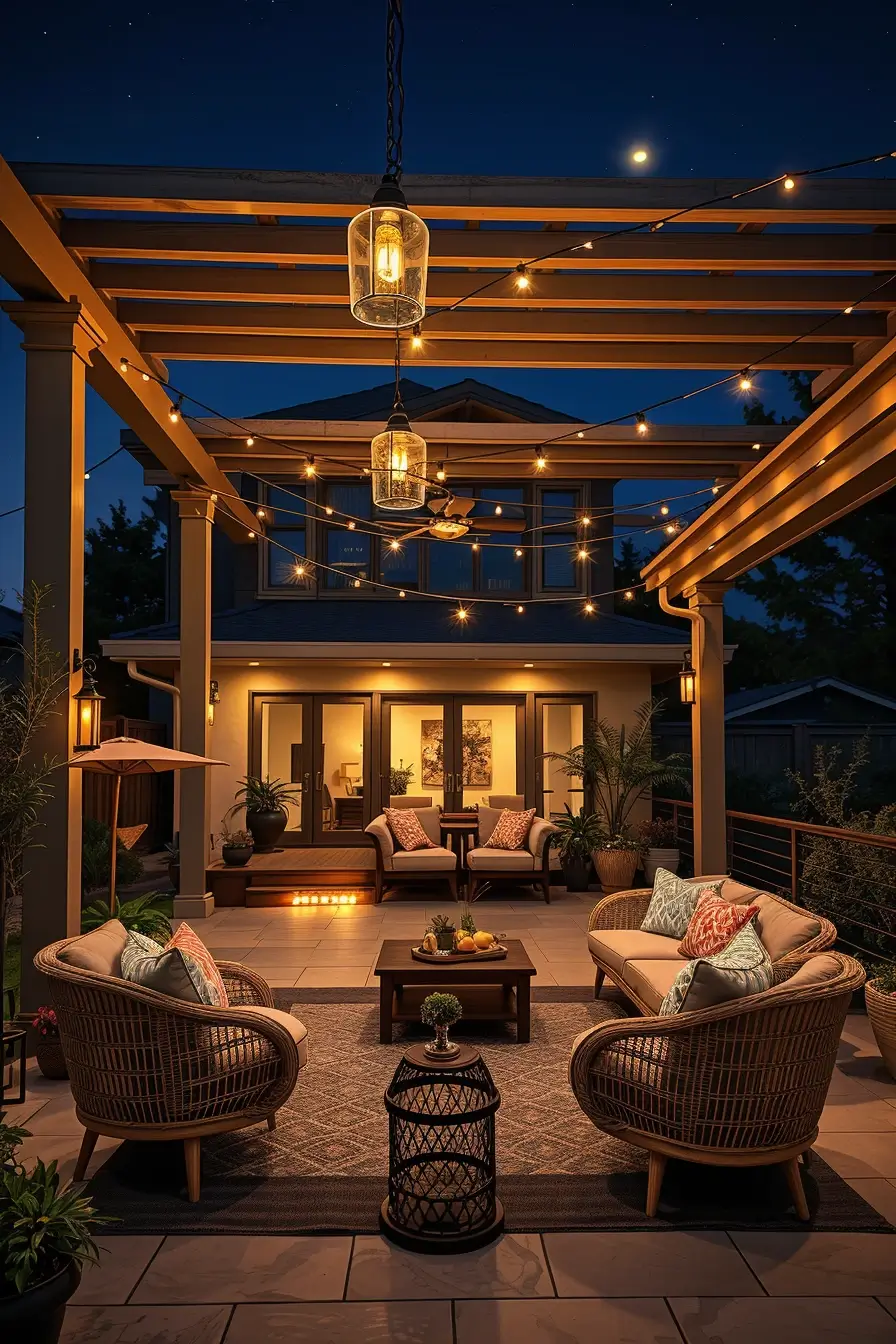
I often incorporate pendant lights under pergolas, wall-mounted sconces, and rechargeable table lamps. String lights can work beautifully when installed strategically rather than randomly. I prefer dimmable systems to control mood throughout the evening. Fire features also act as natural light sources, adding movement and warmth to the design. Smart lighting systems allow homeowners to adjust brightness and color temperature via mobile apps.
In my opinion, lighting should always feel intentional, not decorative for its own sake. Designers frequently stress that outdoor lighting must enhance safety first, and I agree completely. I would further enhance this section by adding motion sensors and solar-powered options to increase energy efficiency and sustainability without compromising style.
14. Fire Pit Lounge Areas That Add Warmth And Functionality
A fire pit lounge is one of the most requested features in modern outdoor rooms. I design these spaces to encourage conversation and relaxation. A circular seating arrangement works especially well, reinforcing the curved and inviting aesthetic. I typically place the fire pit as the central anchor, ensuring safe clearance while maintaining intimacy. Surrounding it with weather-resistant seating instantly creates a cozy focal point.
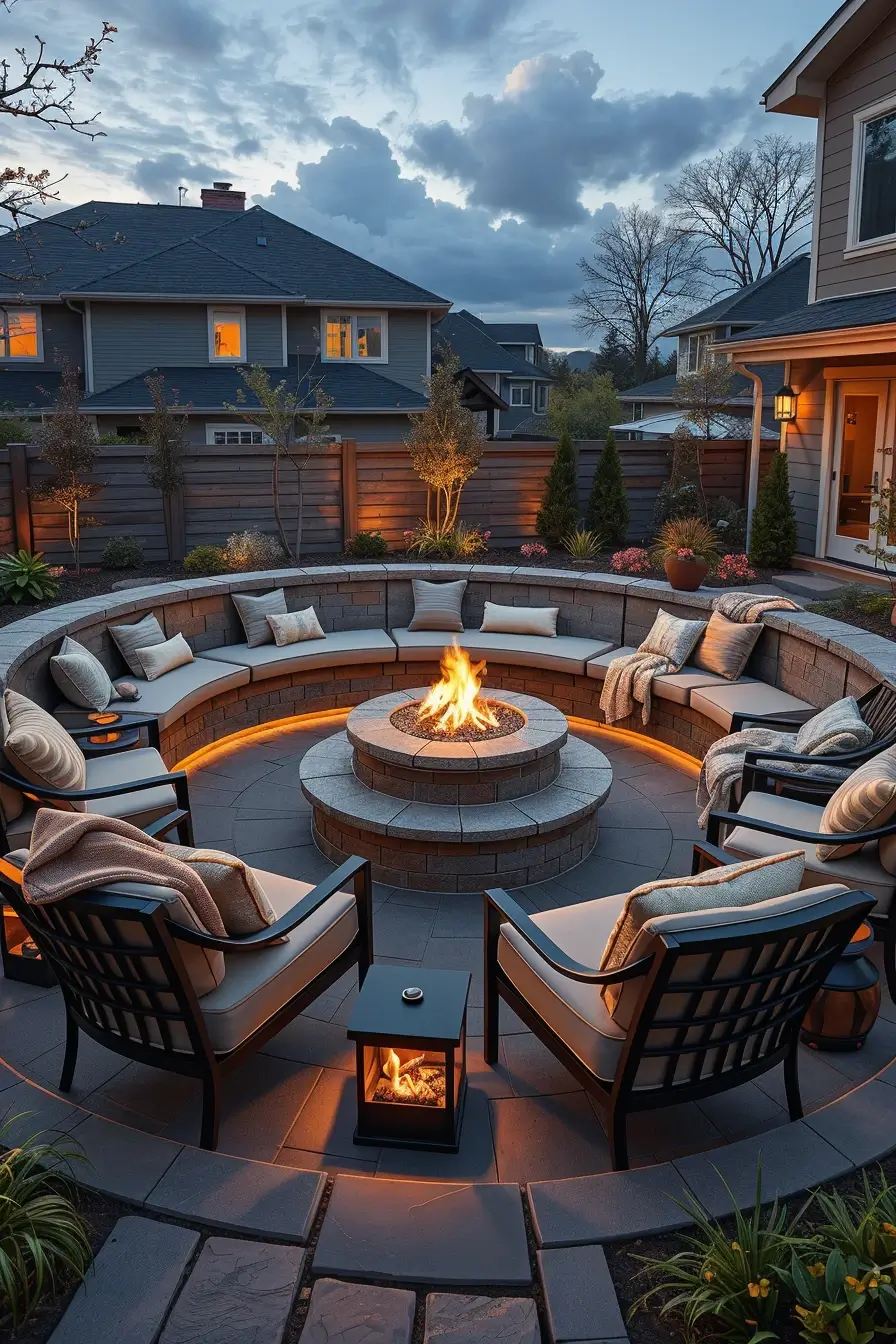
I recommend built-in benches with storage underneath, paired with deep lounge chairs and durable cushions. Gas fire pits offer convenience and cleaner burning, while wood-burning versions create a more traditional atmosphere. Side tables for drinks, outdoor blankets, and heat-resistant surfaces are essential details. I often include subtle ground lighting around the fire feature to enhance visibility without overpowering the glow.
From my perspective, fire pit lounges extend usability into cooler seasons. According to many US-based landscape designers, incorporating multi-season elements increases property value — and I have seen this proven repeatedly. What I would add here is guidance on wind direction analysis and protective glass panels to maximize comfort and safety in open yards.
15. Outdoor Fireplaces As A Focal Point For Gathering Spaces
An outdoor fireplace immediately elevates a backyard into a true architectural outdoor room. When I design one, I treat it as the visual anchor. Stone-clad fireplaces with streamlined silhouettes complement modern homes, while textured brick adds rustic charm. I carefully position seating to frame the fireplace and create a natural conversation zone. This setup enhances both warmth and structure within the layout.
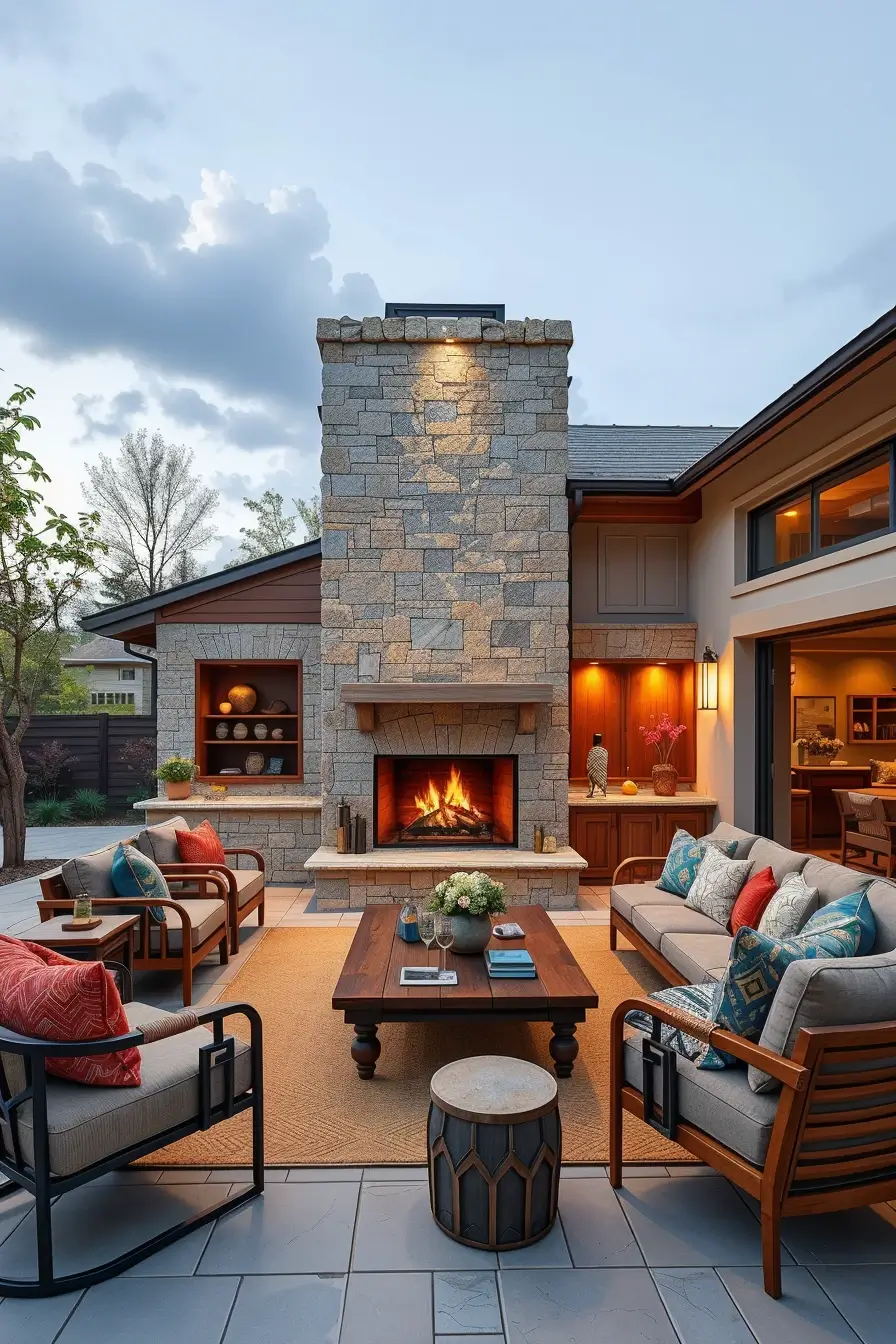
I usually include a sectional sofa, two accent chairs, and a large central coffee table to balance the fireplace’s scale. Built-in wood storage niches can add both function and design appeal. A mounted outdoor TV above the fireplace is increasingly common, though I ensure it does not dominate the aesthetic. Layered textiles — throws, cushions, and rugs — soften the overall composition and enhance comfort.
In my experience, fireplaces create emotional warmth beyond physical heat. Many homeowners tell me it becomes their favorite gathering spot. To strengthen this section, I would add recommendations on weatherproof chimney systems and professional installation standards to ensure safety and long-term durability.
16. Functional Outdoor Dining Room Setups For Family And Friends
When I design an outdoor dining room, I focus first on flow and proximity to the house. A truly functional setup allows for easy movement between the kitchen and dining area, while still feeling like a distinct outdoor room. I often define the space with a pergola or partial roof structure to create shade and architectural presence. In 2026, I see more homeowners choosing curved and streamlined dining layouts, which soften the geometry of patios and make gatherings feel more intimate and welcoming.
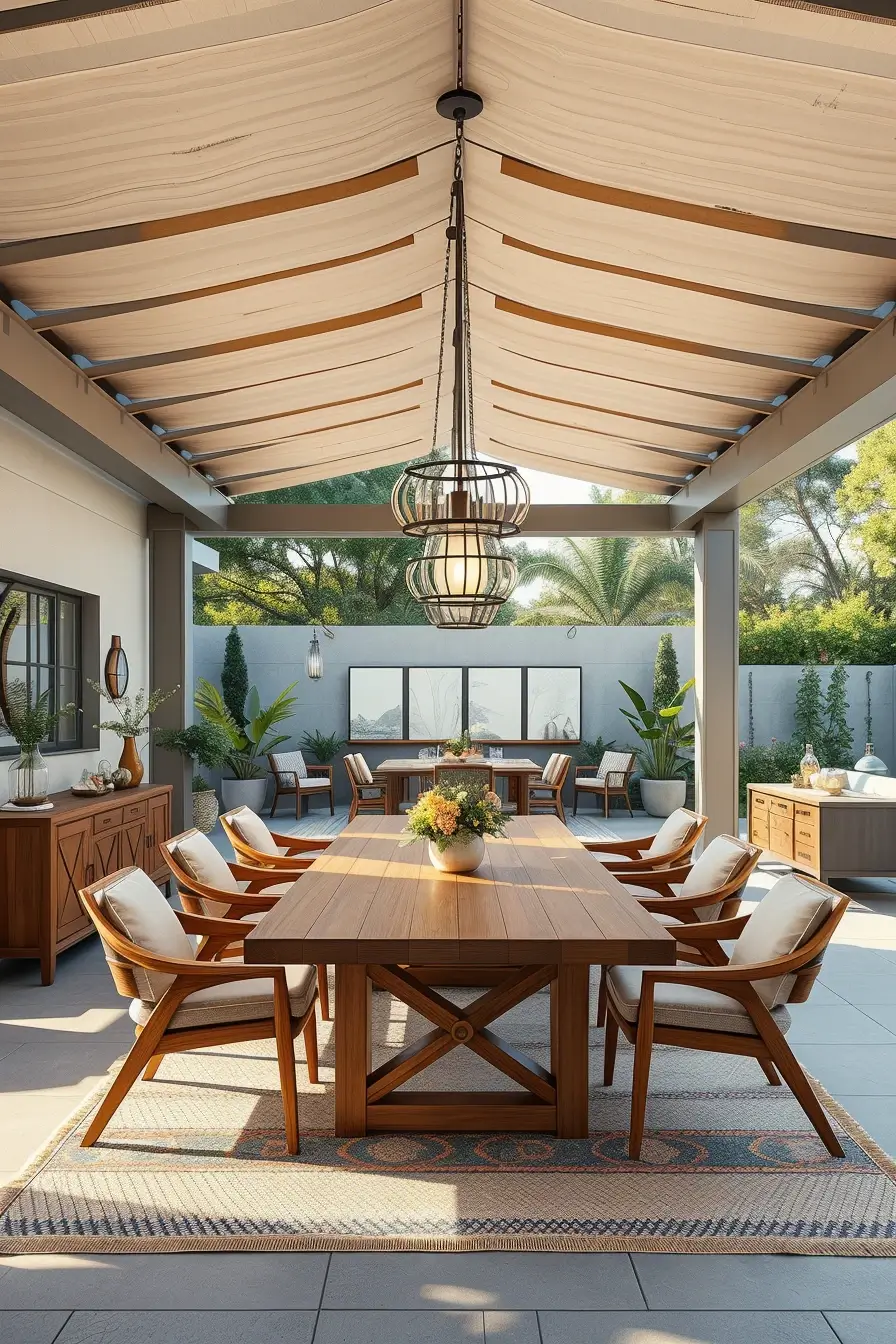
I typically select a large weather-resistant dining table made of teak, aluminum, or composite materials that withstand seasonal changes. Comfortable, ergonomically designed chairs with performance cushions are essential because outdoor meals often last longer than expected. I also incorporate a sideboard or console for serving dishes, as well as layered lighting above the table to ensure visibility after sunset. An outdoor rug under the table anchors the space visually and enhances comfort underfoot.
From my experience, functionality improves when every item has a clear purpose. Designers featured in House Beautiful often emphasize durability paired with elegance, and I share that philosophy. I would also recommend adding discreet storage for table linens and dinnerware nearby, as well as considering wind patterns to prevent discomfort during meals. These small details make the dining room feel polished and professionally planned.
17. Compact Outdoor Kitchen Ideas For Modern Backyards
A compact outdoor kitchen can completely transform how a backyard is used. Even in smaller spaces, I design layouts that maximize efficiency by positioning cooking, prep, and storage zones logically. A streamlined linear kitchen along one wall works beautifully in modern settings, especially when finished in neutral tones with stone or concrete countertops. I ensure there is adequate counter space so the area feels practical rather than decorative.
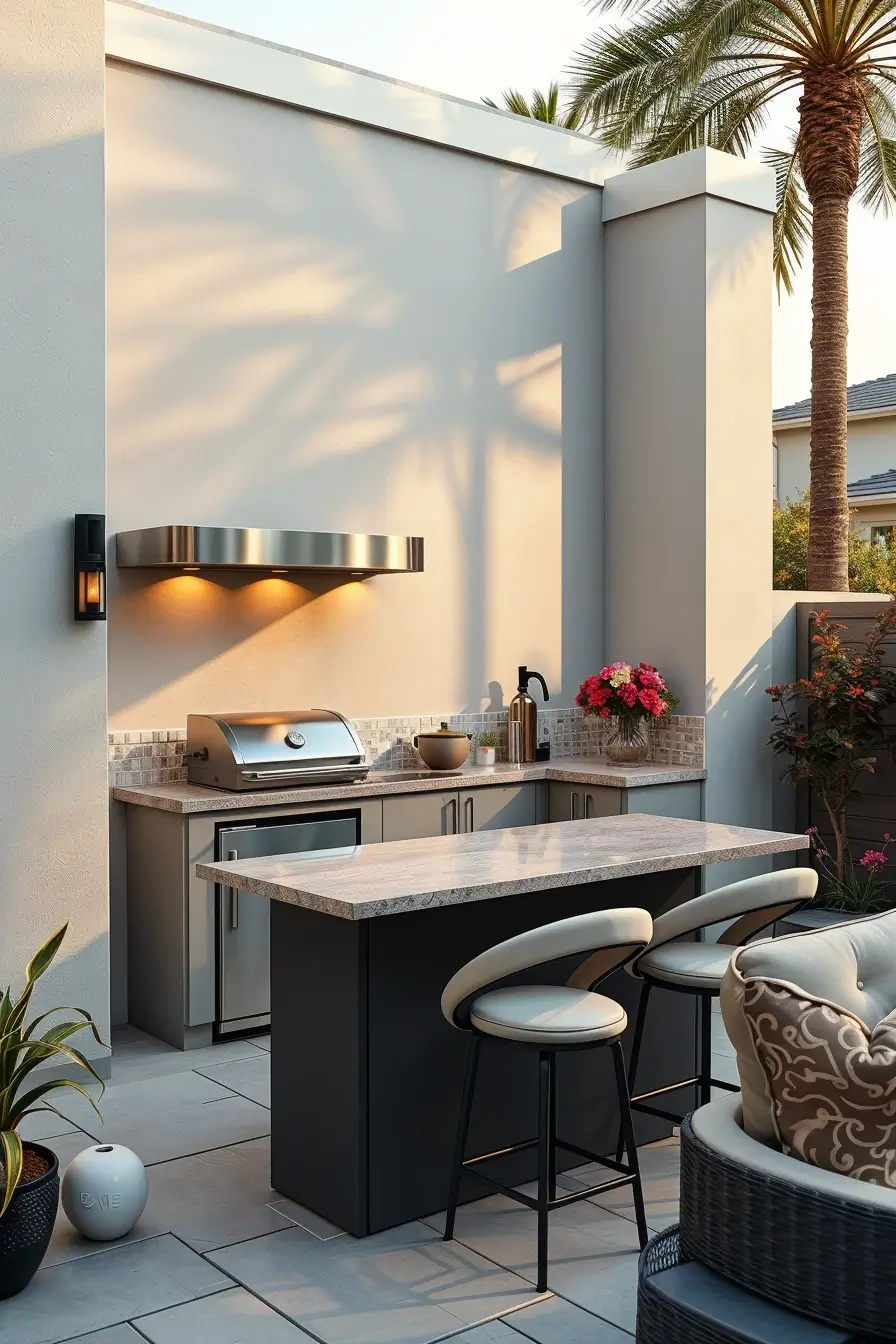
In my projects, I prioritize a built-in grill, compact refrigerator, and closed cabinetry to protect utensils from weather exposure. Durable materials such as stainless steel and porcelain slabs ensure longevity. I also include open shelving sparingly for styled accessories, keeping the overall look clean and cohesive. Bar seating with curved stools adds a social element without overcrowding the layout.
Personally, I believe outdoor kitchens should reflect the same standards as indoor ones. According to many U.S. landscape architects, investing in quality appliances significantly increases long-term value and usability. I would enhance this section further by integrating proper ventilation solutions and weatherproof electrical outlets to guarantee safety and year-round performance.
18. Multifunctional Furniture For Smart Outdoor Living
In 2026, flexibility defines successful outdoor rooms. I design with adaptability in mind, especially for homeowners who entertain frequently. Modular sofas, nesting tables, and convertible benches allow the layout to evolve depending on the occasion. I carefully measure proportions to ensure the space remains open and breathable, even when fully arranged for guests.
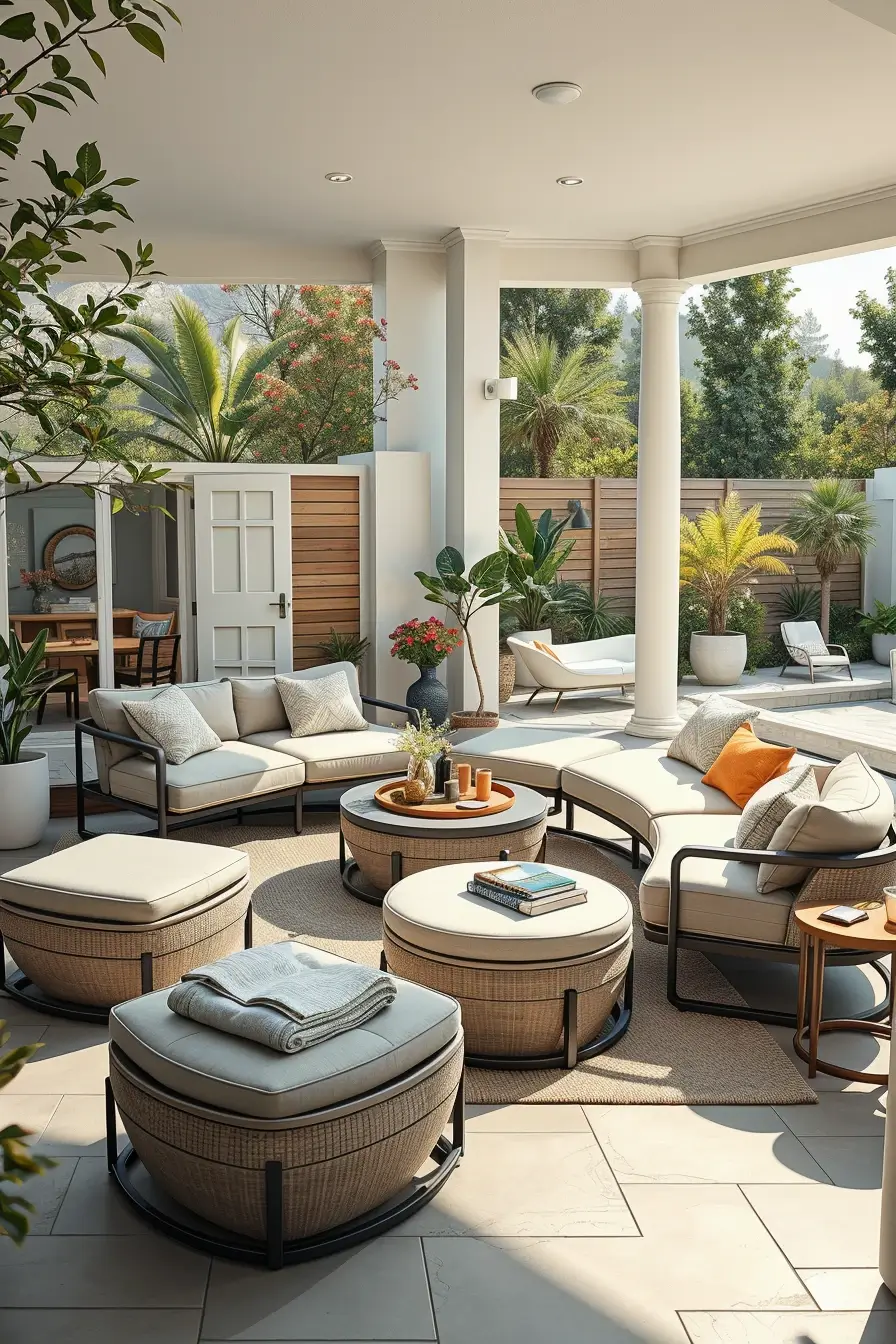
I often include storage ottomans, extendable dining tables, and stackable chairs to optimize square footage. Curved sectional pieces introduce softness and maintain a stylish, designer aesthetic while enhancing comfort. Weather-resistant upholstery and lightweight aluminum frames allow easy rearrangement. I also consider foldable privacy screens that can redefine zones when needed.
In my professional opinion, multifunctional furniture is one of the smartest investments for outdoor spaces. Many designers highlighted by Architectural Digest note that outdoor areas are increasingly expected to serve multiple purposes — relaxation, dining, working, and socializing. I would add integrated charging stations or hidden compartments for outdoor tech devices to further align with modern lifestyle needs.
19. Privacy Solutions For Comfortable And Intimate Outdoor Rooms
Privacy is essential when creating a truly cozy outdoor room. I always evaluate the surrounding environment — neighboring buildings, street visibility, and wind exposure — before choosing a solution. Slatted wood panels, decorative metal screens, and pergolas with retractable curtains are elegant ways to establish boundaries without making the space feel closed off. I prefer layered privacy elements rather than a single barrier.
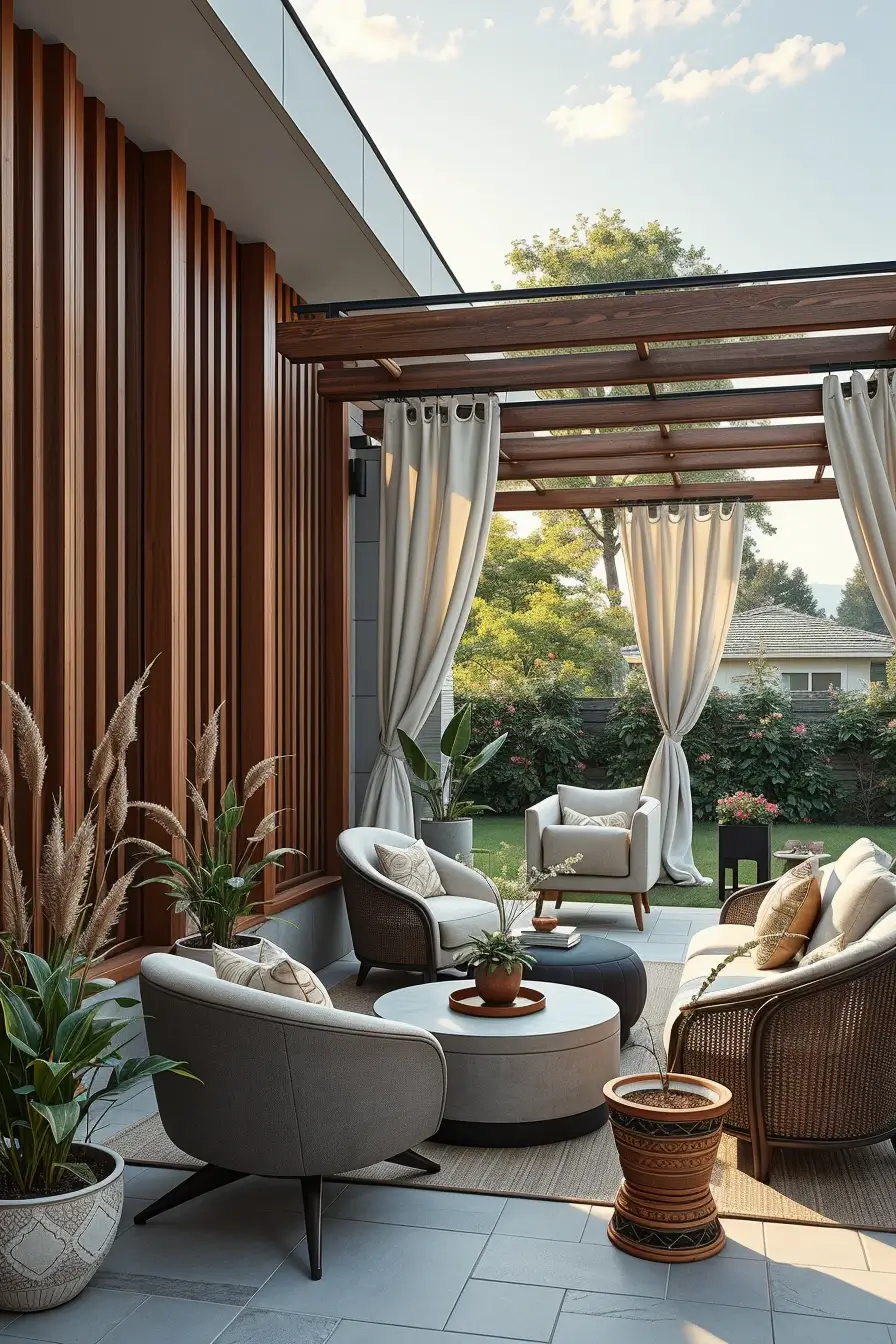
I often integrate tall planters with ornamental grasses or evergreen shrubs to soften hard edges. Outdoor curtains made from weather-resistant fabrics add flexibility and visual movement. For more permanent solutions, I recommend architectural screens that complement the home’s style. These elements not only provide seclusion but also enhance the overall design cohesion.
From my experience, privacy increases comfort and encourages longer use of the space. Many landscape professionals recommend combining structural and natural elements for the best result. I would further improve this section by including acoustic solutions, such as water features or dense greenery, to minimize surrounding noise and enhance tranquility.
20. Greenery And Vertical Gardens For Natural Outdoor Decor
Greenery is the final layer that transforms an outdoor area into a complete living room under the sky. I approach planting design as thoughtfully as furniture placement. Vertical gardens are particularly effective in 2026 because they maximize space while adding texture and depth. I often use wall-mounted planters or structured trellis systems to introduce lush greenery without overcrowding the floor area.
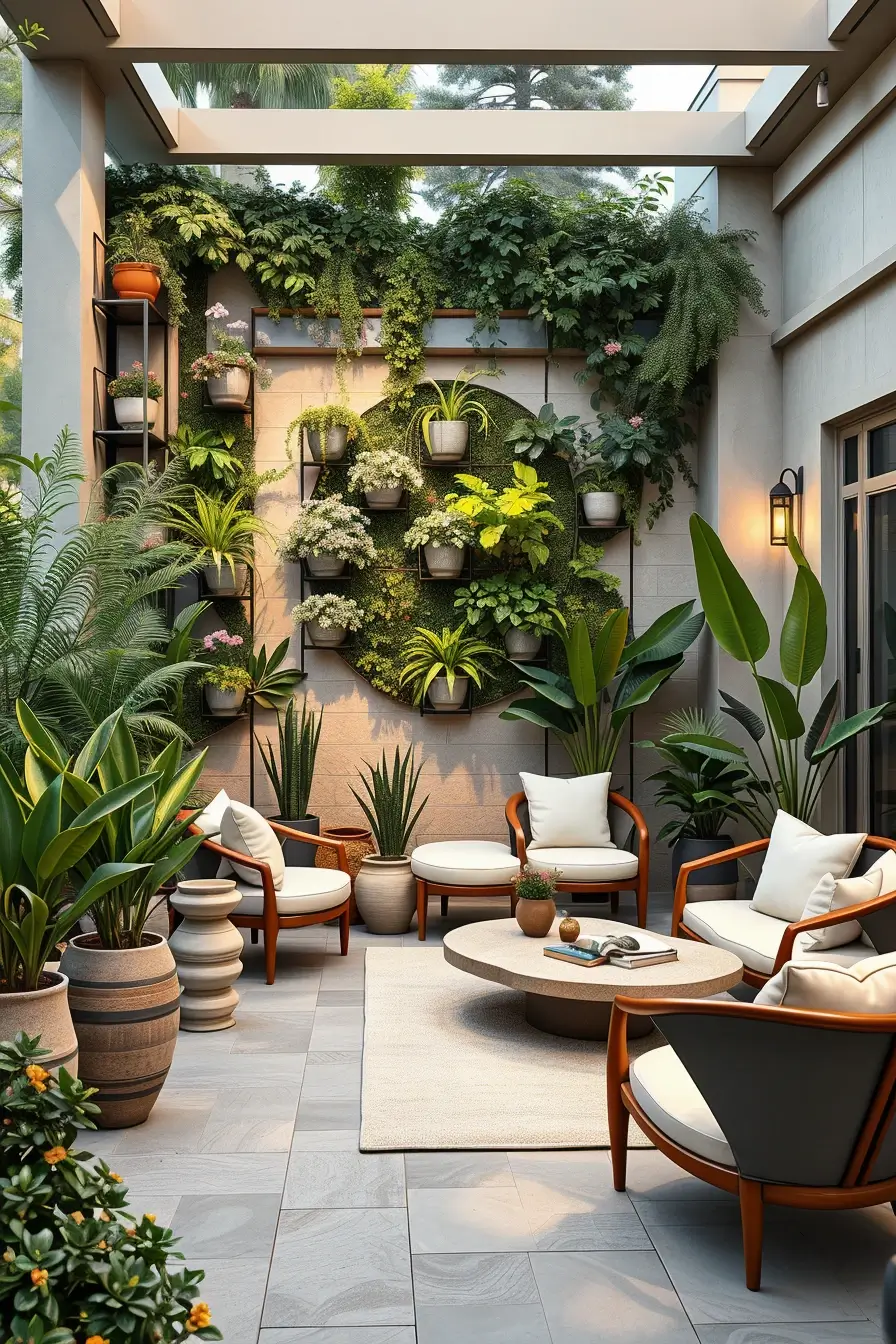
I carefully select plants suited to the local climate to ensure sustainability and minimal maintenance. Layered planting — tall shrubs, mid-height foliage, and trailing vines — creates dimension. Sculptural planters in neutral tones maintain a streamlined aesthetic and complement stylish, designer furniture. I also include integrated irrigation systems to preserve plant health efficiently.
In my opinion, greenery is not just decorative; it improves comfort and microclimate conditions. Publications like Better Homes & Gardens frequently highlight the mood-enhancing benefits of plants, and I see this reflected in my own projects. To strengthen this section further, I would incorporate seasonal rotation strategies and subtle lighting within vertical gardens to enhance nighttime ambiance.
21. Sustainable Materials And Eco-Friendly Outdoor Design
When I design sustainable outdoor spaces, I focus on durability, responsible sourcing, and long-term comfort. In 2026, cozy and functional outdoor rooms are increasingly shaped by eco-conscious choices that do not compromise on aesthetics. I see more homeowners choosing natural wood decking from certified forests, recycled composite materials, and permeable stone pavers that allow proper drainage. These materials create a grounded, organic look while supporting environmentally responsible construction. A sustainable outdoor room should feel intentional, airy, and connected to nature without appearing rustic or outdated.
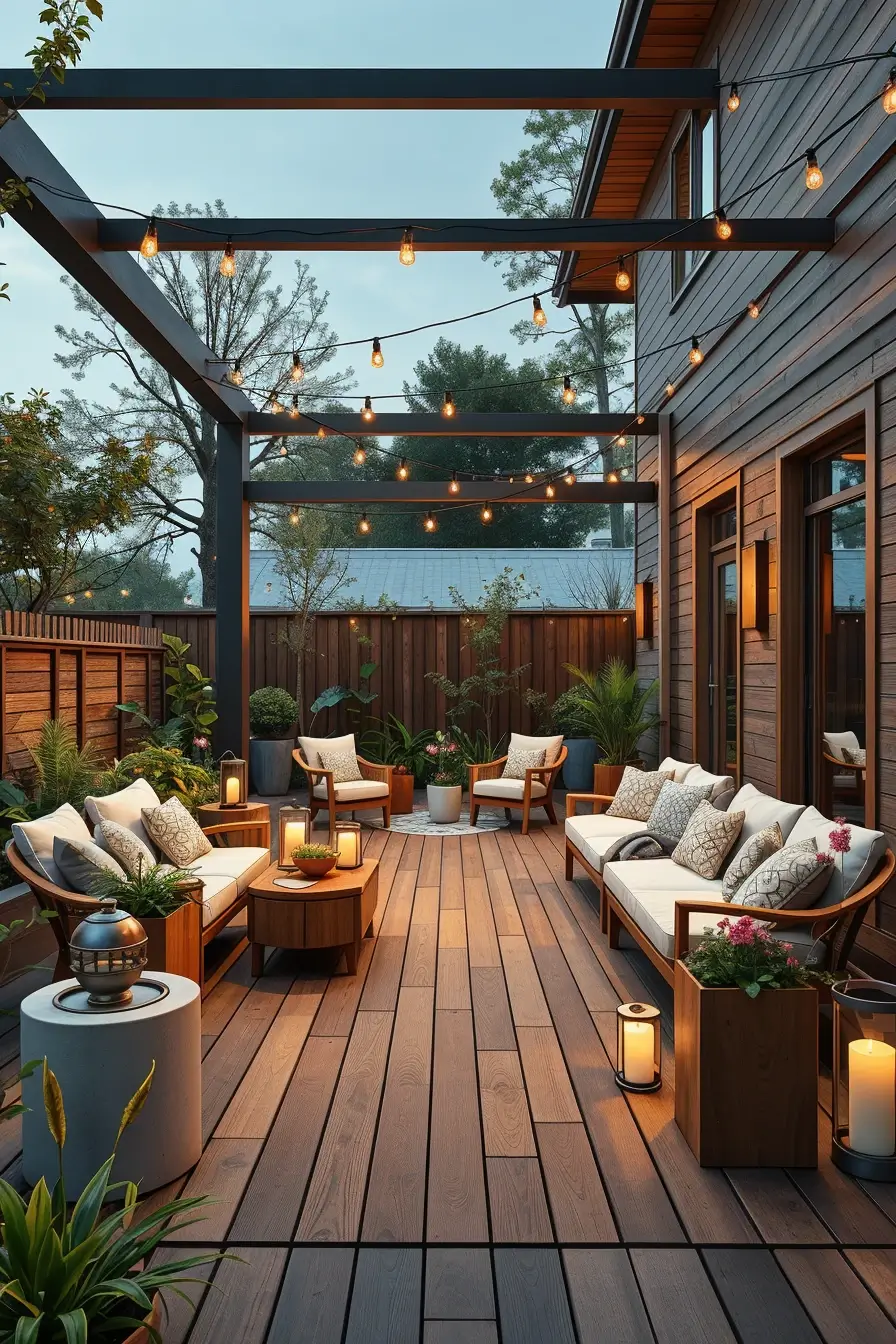
I always recommend incorporating teak or acacia wood furniture with curved silhouettes, powder-coated aluminum frames made from recycled metal, and outdoor upholstery crafted from recycled performance fabrics. Streamlined modular sofas with soft, rounded edges not only look modern but also reduce visual heaviness in open-air environments. Planters made from reclaimed concrete or ceramic add texture, while solar-powered lanterns and LED string lighting reduce energy consumption. Every element, from rugs made of recycled PET fibers to weather-resistant cushions, plays a role in creating a stylish and environmentally aware space.
Personally, I believe sustainability is not a trend but a responsibility. Designers such as Nate Berkus and publications like Architectural Digest frequently highlight the importance of investing in quality pieces that last for years rather than seasons. I have found that when clients choose timeless, designer furniture made from durable materials, they replace items less often, which is both economical and environmentally smart.
To complete this section, I would also add a rainwater collection feature for irrigating plants and a discreet composting solution for garden waste. These additions strengthen the eco-friendly concept and make the outdoor room fully aligned with sustainable living principles.
22. Outdoor Rooms For Small Balconies And Urban Spaces
Designing outdoor rooms for small balconies requires precision and creativity. Even the most compact urban terrace can become one of the most cozy and functional outdoor rooms with the right layout. I begin by defining zones visually rather than physically, using outdoor rugs and vertical greenery to structure the space. In 2026, streamlined layouts with space-saving solutions allow city dwellers to enjoy comfort without overcrowding their balconies.
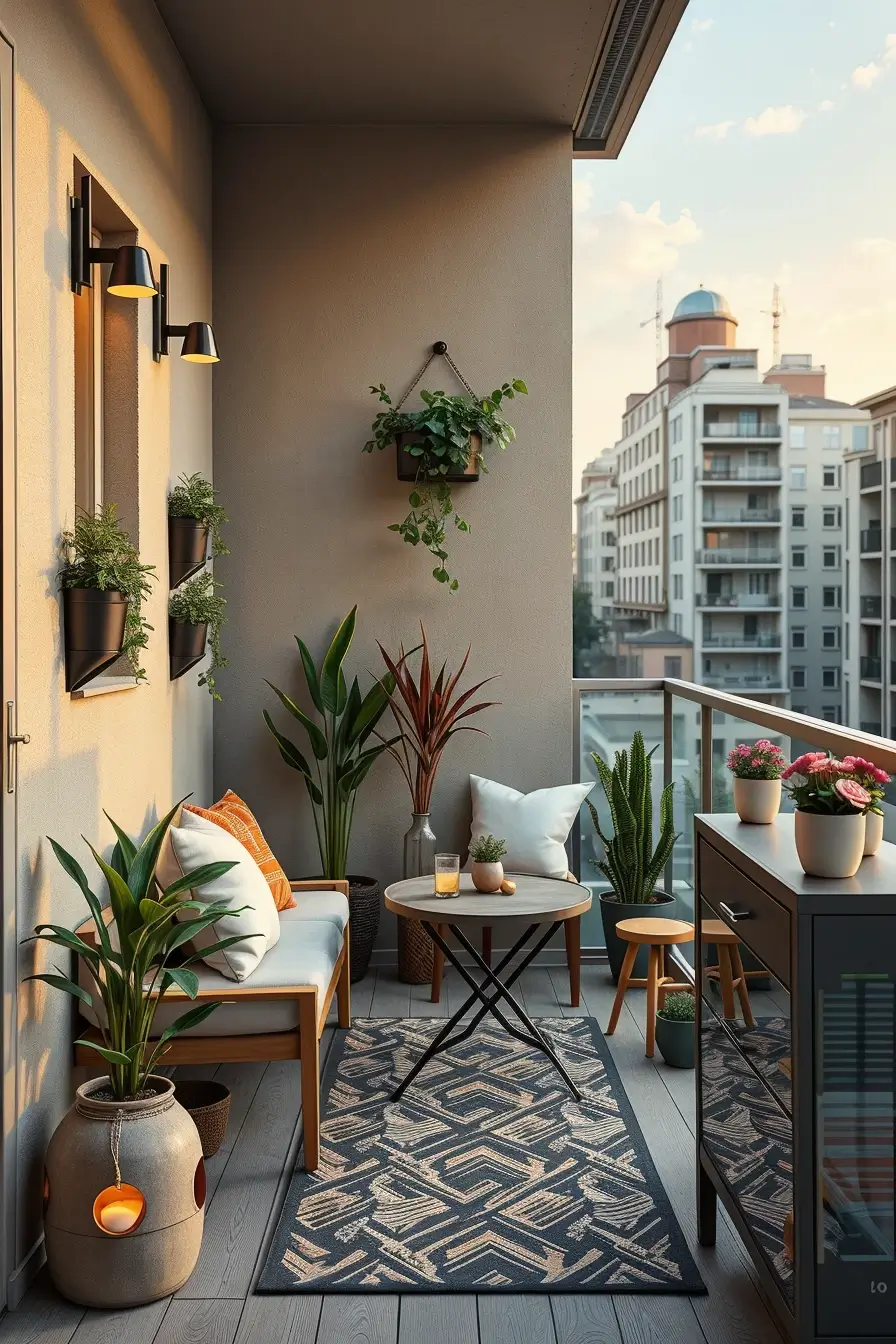
I recommend slim-profile lounge chairs with curved backs, foldable bistro tables, and built-in bench seating with hidden storage. Vertical planters maximize greenery without consuming floor space, while wall-mounted shelves hold lanterns or decorative accessories. A compact loveseat with weather-resistant cushions in neutral tones creates comfort, and a narrow console table can double as a serving station. Every item must serve at least one functional purpose while contributing to a cohesive design.
In my experience, less truly is more in small outdoor environments. I often reference guidance from Better Homes and Gardens, which emphasizes scale and proportion in compact spaces. By selecting furniture that is visually light and slightly elevated on slim legs, I create the illusion of more space while maintaining practicality.
What is often missing in small balconies is layered lighting. I would add wall sconces, rechargeable table lamps, and subtle under-bench LED strips to ensure the space feels warm and usable after sunset.
23. Cozy Screened-In Porches For Year-Round Enjoyment
Screened-in porches are becoming central features of cozy and functional outdoor rooms in 2026. I see them as transitional spaces that blend interior comfort with outdoor freshness. With insulated flooring, weather-resistant ceiling fans, and layered textiles, these porches can function comfortably across multiple seasons. The key is to balance openness with protection, ensuring airflow while keeping insects and debris out.
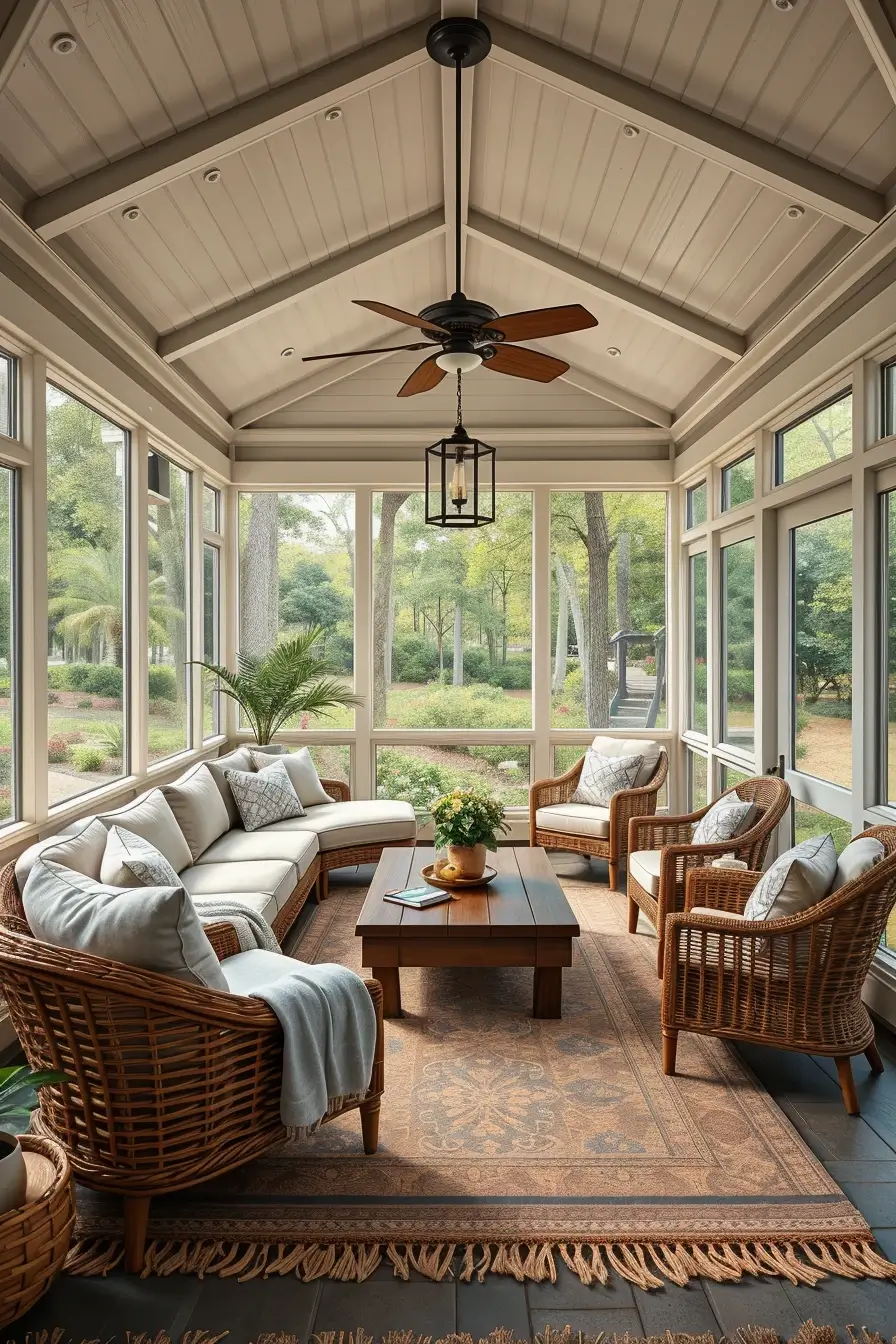
I like to include deep, curved sectional sofas with plush outdoor cushions, a streamlined coffee table made from sealed natural wood, and an indoor-outdoor area rug to anchor the seating zone. Adding woven accent chairs, ceramic side tables, and a statement pendant light designed for exterior use elevates the design. Soft throws stored in decorative baskets provide warmth on cooler evenings, while retractable vinyl panels can protect against wind and rain.
I personally consider screened-in porches one of the most versatile home investments. Many designers featured in House Beautiful recommend treating them as true living rooms, and I agree. When styled thoughtfully with layered textiles and quality furniture, these spaces become daily retreats rather than seasonal extras.
To enhance this concept further, I would add discreet infrared heaters for colder months and motorized shades to control sunlight exposure, ensuring maximum comfort throughout the year.
24. Outdoor Office Nooks For Work-From-Home Comfort
As remote work continues into 2026, outdoor office nooks are redefining cozy and functional outdoor rooms. I approach these spaces with productivity and ergonomics in mind. A shaded pergola or covered patio provides necessary sun protection, while privacy screens or tall planters create visual separation from the rest of the yard. Natural light enhances focus, but glare control is essential for digital screens.
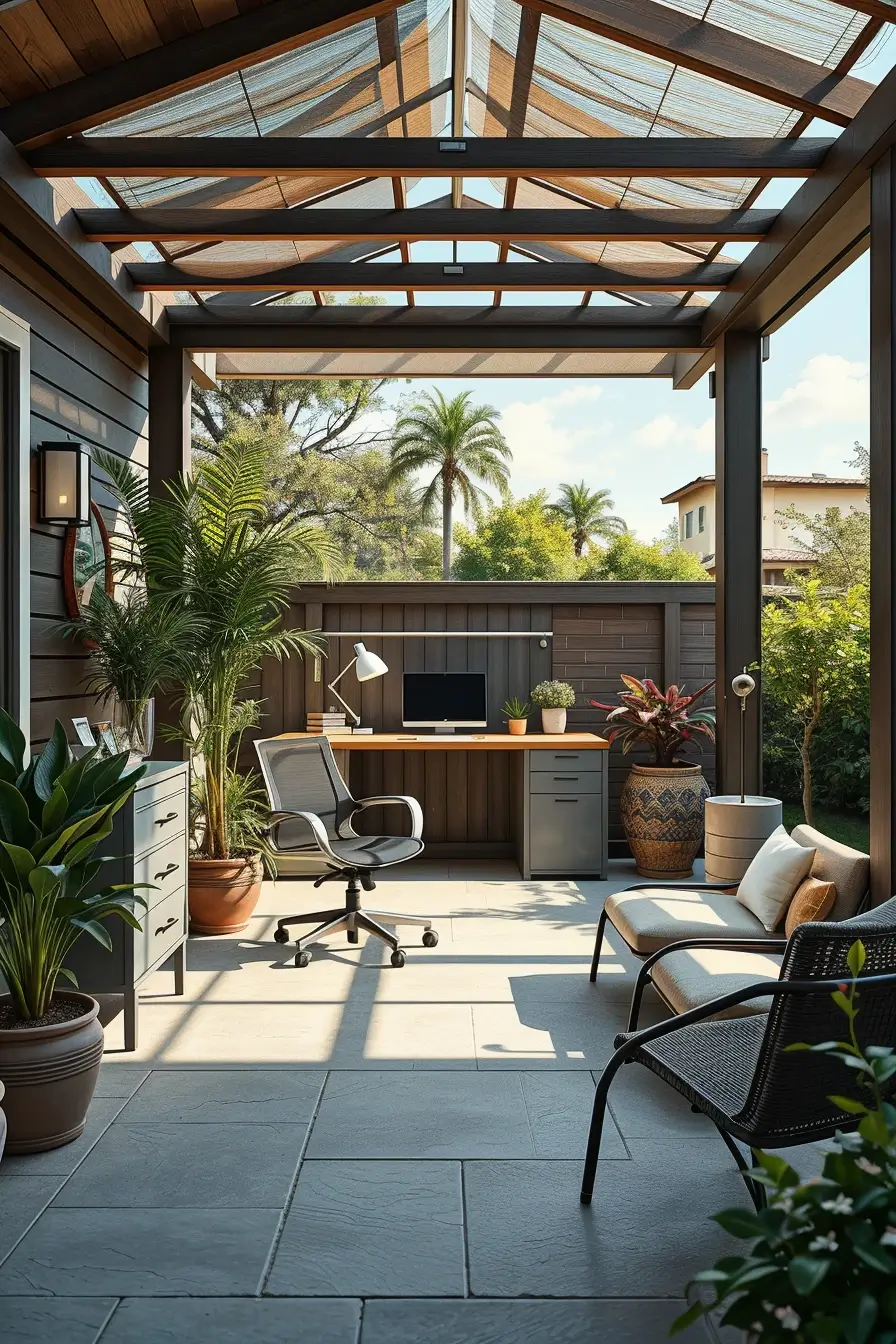
I recommend a weather-resistant desk with a streamlined silhouette, an ergonomic outdoor office chair with breathable mesh, and built-in cable management to maintain a tidy appearance. Adding a compact storage cabinet protects documents and devices from moisture. Curved lounge seating nearby offers a relaxing break zone, while outdoor-rated task lighting ensures usability during early mornings or late afternoons.
From my experience, productivity improves when the workspace feels inspiring. I have read insights from Forbes Home and design professionals who emphasize the psychological benefits of working near greenery. I find that incorporating plants, natural textures, and calming color palettes significantly enhances concentration and well-being.
To complete this section, I would integrate outdoor Wi-Fi extenders and weatherproof electrical outlets to ensure uninterrupted connectivity and safe power access.
25. Family-Friendly Outdoor Play And Relaxation Zones
Creating family-friendly outdoor spaces requires balancing safety, comfort, and visual harmony. In 2026, cozy and functional outdoor rooms for families combine relaxation areas for adults with playful zones for children. I design these spaces with clear boundaries, soft landscaping, and durable surfaces that can withstand heavy use.
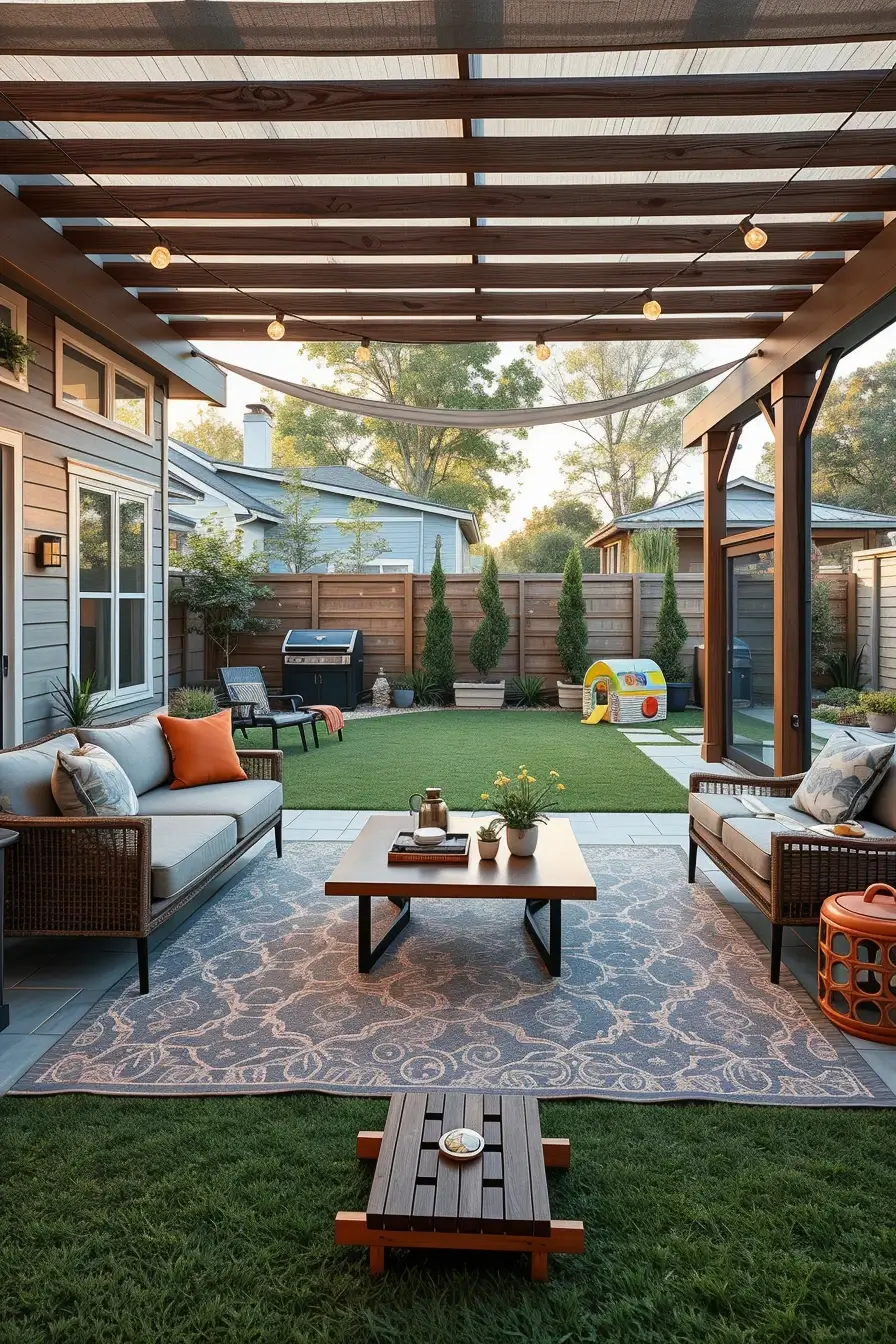
I often include modular sectional seating with rounded edges to prevent injuries, a low-profile coffee table made of impact-resistant material, and washable outdoor rugs. For children, I recommend a designated play corner with a small climbing structure or sandbox framed by soft artificial turf. Storage benches keep toys organized, while shade sails or pergolas provide sun protection. Stylish yet practical furniture ensures the area feels cohesive rather than chaotic.
In my opinion, the most successful family outdoor rooms are flexible. As children grow, the space should adapt easily. I frequently advise clients to invest in modular furniture that can be rearranged for gatherings or quiet evenings. This adaptability keeps the space relevant for years.
What is sometimes missing is adequate night lighting for safety. I would add pathway lights, motion-sensor fixtures, and soft ambient lighting to ensure the area remains secure and inviting after dark.
26. Pet-Friendly Outdoor Room Design Ideas
When designing pet-friendly spaces, I focus on durability, hygiene, and comfort without compromising the elegance of cozy and functional outdoor rooms. In 2026, outdoor living areas are thoughtfully planned to accommodate both humans and animals, with zones that allow pets to relax safely while maintaining a streamlined, stylish appearance. I prioritize scratch-resistant decking, easy-to-clean surfaces, and shaded lounging areas so pets can comfortably enjoy the outdoors alongside their owners.
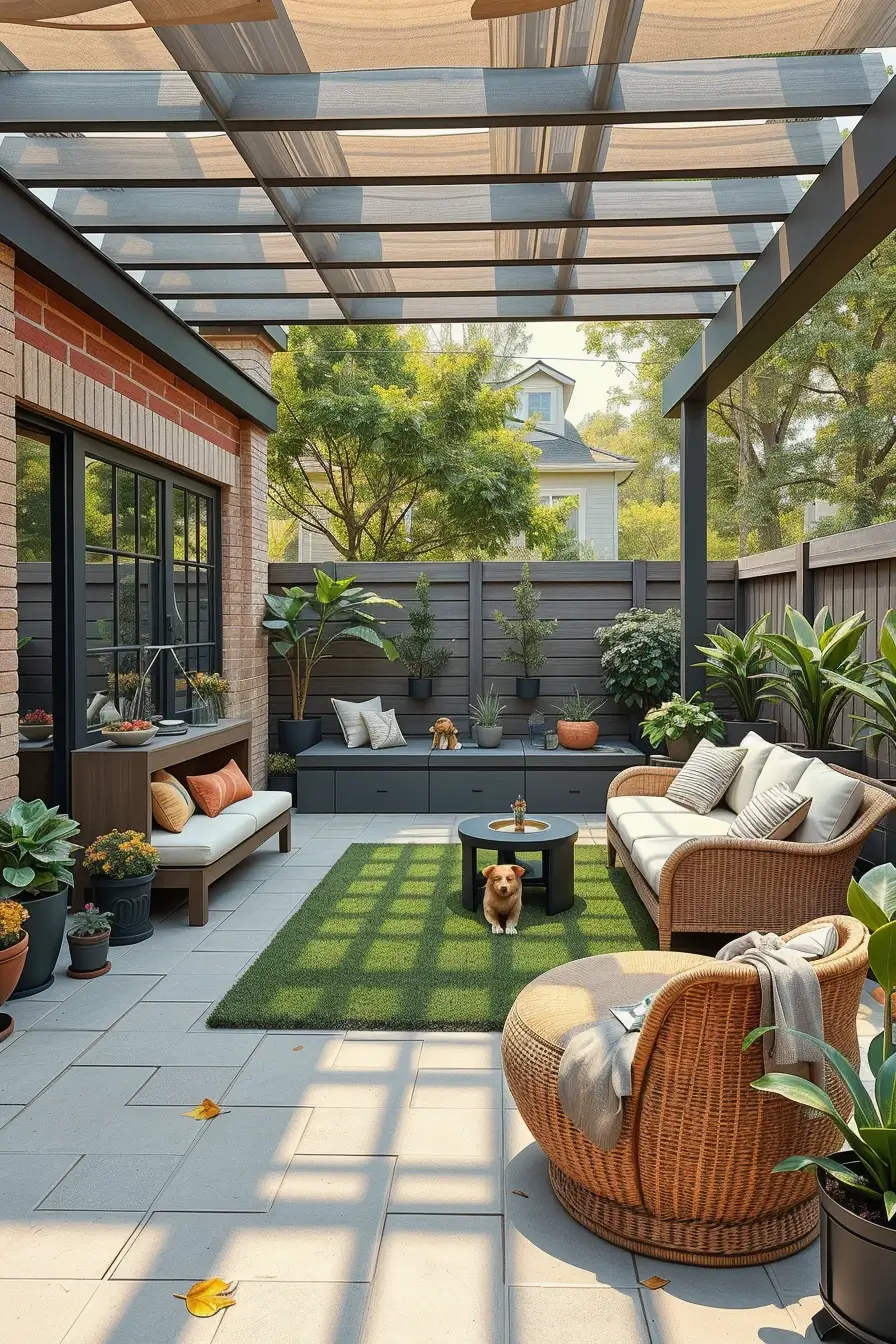
I recommend performance outdoor fabrics that resist stains and moisture, curved modular seating with removable washable covers, and low-profile coffee tables without sharp edges. Built-in feeding stations with concealed storage keep the area organized, while raised pet loungers in weather-resistant rattan provide comfort and airflow. I often integrate artificial turf patches or designated pet relief areas framed with decorative gravel for easy maintenance. Designer planters should include pet-safe greenery such as lavender, rosemary, or ornamental grasses that are non-toxic.
From my professional experience, thoughtful zoning is essential. The American Society for the Prevention of Cruelty to Animals emphasizes creating safe environments free of toxic plants and overheating risks. I always advise clients to include shaded structures such as pergolas or umbrellas and access to fresh water. A stylish outdoor room can remain sophisticated while fully accommodating furry family members.
To enhance this section, I would add subtle fencing or decorative screens that define pet boundaries without visually closing off the space, as well as integrated lighting to ensure pets are visible and safe in the evening.
27. Seasonal Styling Tips For Spring And Summer 2026
Spring and summer 2026 bring lighter palettes, airy textiles, and expressive details to cozy and functional outdoor rooms. During warmer months, I focus on refreshing the space with breathable materials, vibrant accents, and flexible seating arrangements that encourage gatherings. The goal is to create an inviting outdoor atmosphere that feels both relaxed and polished.
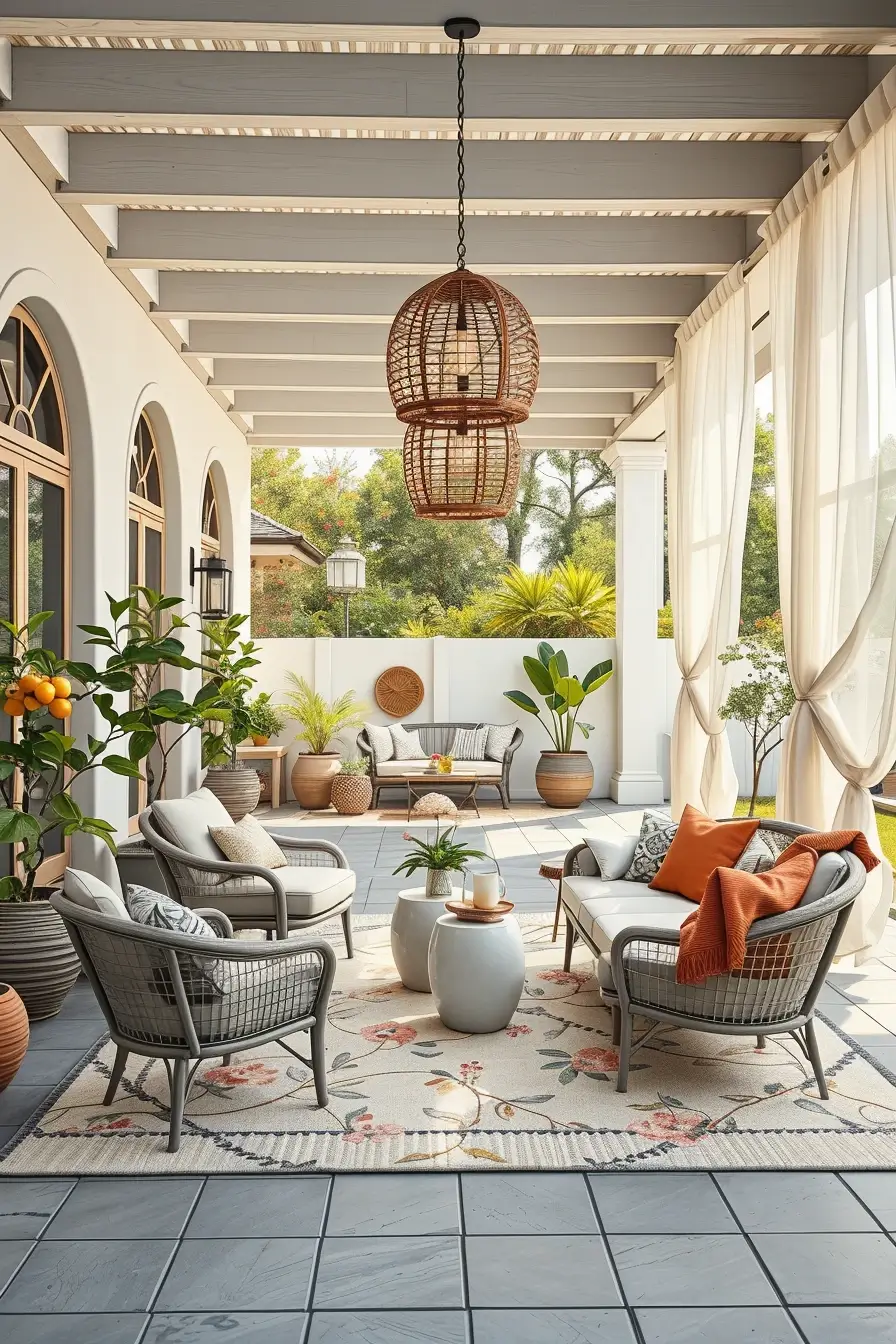
I like to incorporate curved lounge chairs with light neutral cushions, ceramic side tables in soft pastel tones, and outdoor rugs with subtle botanical patterns. Sheer outdoor curtains attached to pergolas add movement and shade, while woven pendant lights introduce texture overhead. Decorative throw pillows in seasonal colors such as sage green, terracotta, or muted coral instantly update the look without requiring a full redesign. Potted flowering plants and citrus trees enhance freshness and visual interest.
Personally, I find that seasonal updates should feel intentional rather than excessive. Designers featured in Elle Decor often recommend swapping accessories rather than replacing core furniture pieces. I follow the same principle, keeping high-quality designer furniture as the foundation and refreshing the styling elements to reflect seasonal trends.
What I would additionally include is a flexible outdoor bar cart or serving console for entertaining, ensuring the space remains practical for summer gatherings and evening events.
28. Fall And Winter Outdoor Room Decorating Ideas
Outdoor rooms should not be abandoned once temperatures drop. In 2026, I see more homeowners transforming their patios and porches into year-round retreats that remain among the most cozy and functional outdoor rooms even in colder seasons. The key lies in layering warmth, texture, and protective elements while preserving the streamlined aesthetic.
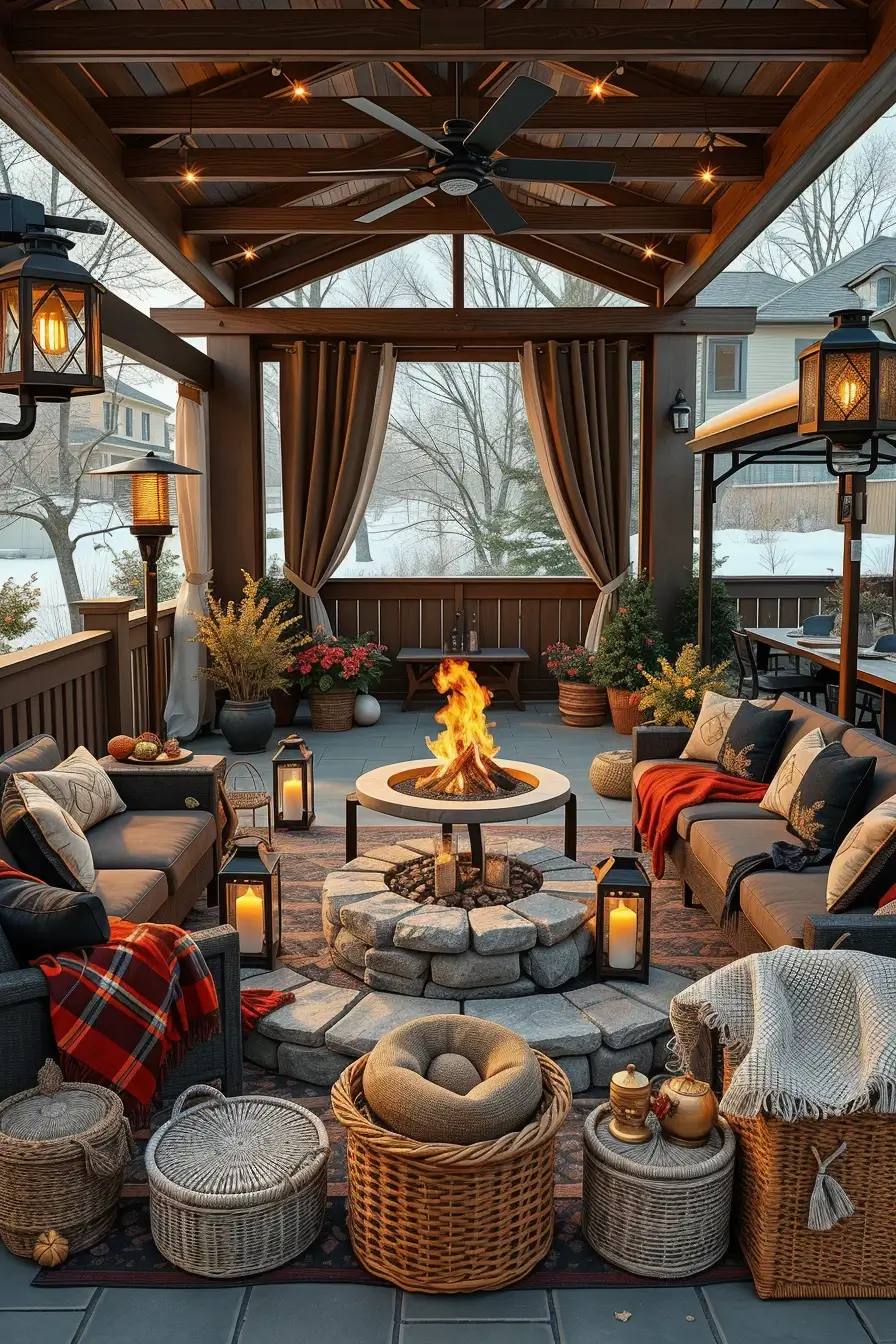
I recommend adding outdoor-rated heaters, fire pits with curved seating arrangements, and thick weather-resistant blankets stored in decorative woven baskets. Darker-toned cushions in deep olive, rust, or charcoal create a seasonal shift. Lanterns with warm LED bulbs, insulated outdoor curtains, and weatherproof poufs contribute to comfort. A designer outdoor sofa with plush cushions becomes the anchor, while a solid wood or stone coffee table grounds the arrangement.
In my experience, warmth is not only physical but visual. House Beautiful frequently highlights the power of layered lighting and texture in cold-weather design, and I strongly agree. Combining ambient lighting with tactile materials such as chunky knit throws and textured rugs creates a welcoming atmosphere even on chilly evenings.
To fully complete this setup, I would integrate wind barriers such as retractable glass panels or clear vinyl enclosures to extend usability throughout winter months without sacrificing the outdoor connection.
29. Smart Outdoor Technology For Comfort And Convenience
Technology plays an increasingly important role in shaping cozy and functional outdoor rooms in 2026. I approach smart outdoor design with subtlety, ensuring devices enhance comfort without dominating the visual aesthetic. Integrated systems allow homeowners to control lighting, heating, and entertainment effortlessly.
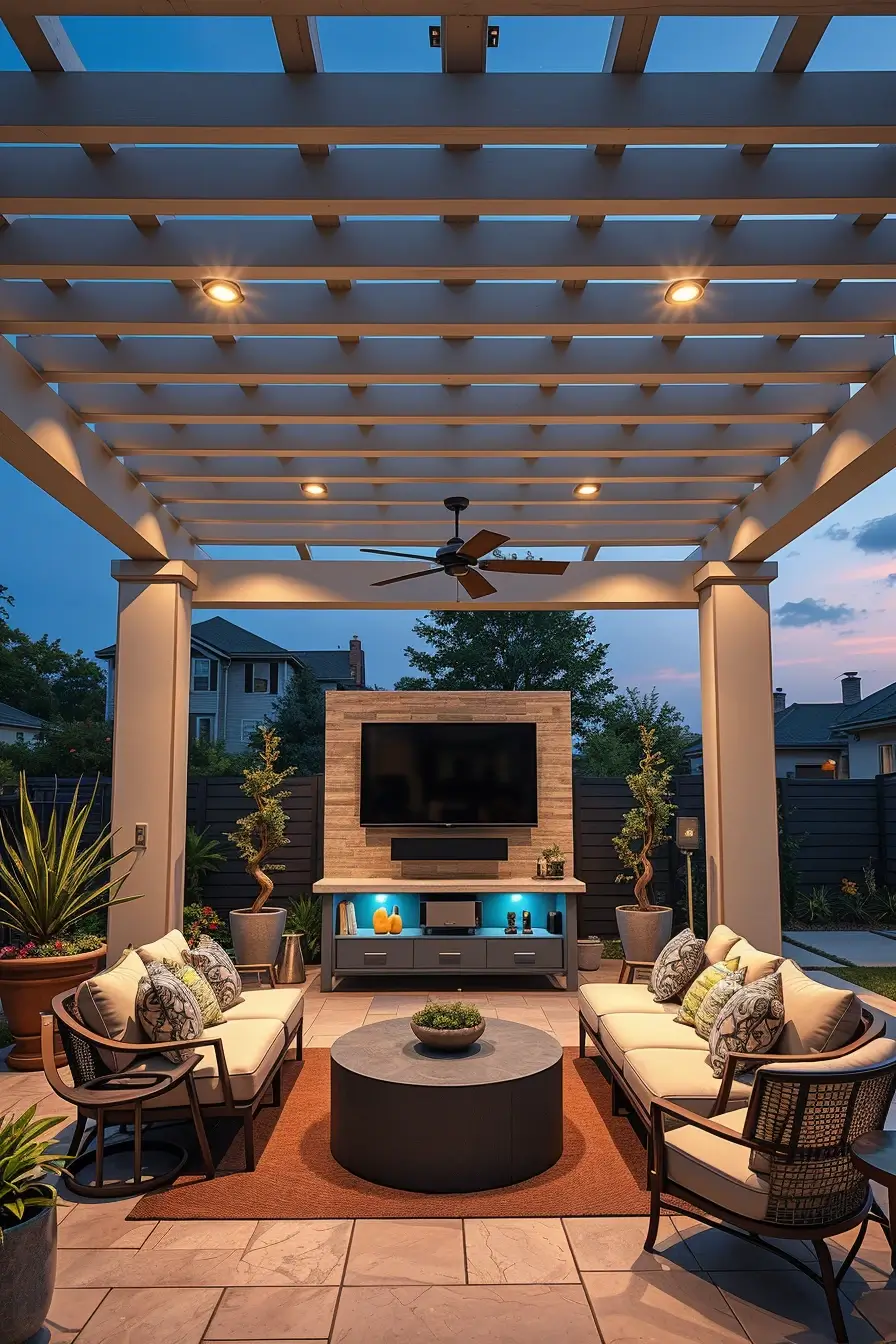
I recommend weatherproof smart speakers discreetly integrated into planters, app-controlled LED lighting systems, and automated pergolas with adjustable louvers. Built-in outdoor televisions with protective casing can transform patios into entertainment hubs, while smart irrigation systems maintain landscaping efficiently. Streamlined charging stations and hidden cable management preserve the clean, designer appearance of the space.
From my perspective, the best technology feels invisible. Experts from publications like Architectural Digest often emphasize seamless integration rather than visible gadgets, and I share that philosophy. Smart systems should enhance the experience while maintaining the elegance of curved, modern furniture and cohesive styling.
What I would add to this section is a centralized smart hub that synchronizes lighting, heating, and audio systems, ensuring simplicity and ease of use for homeowners of all ages.
30. Storage Solutions That Keep Outdoor Spaces Organized
An organized layout is essential for maintaining truly cozy and functional outdoor rooms. Without proper storage, even the most stylish designer furniture arrangement can appear cluttered. I always plan storage solutions from the beginning, integrating them naturally into the design.
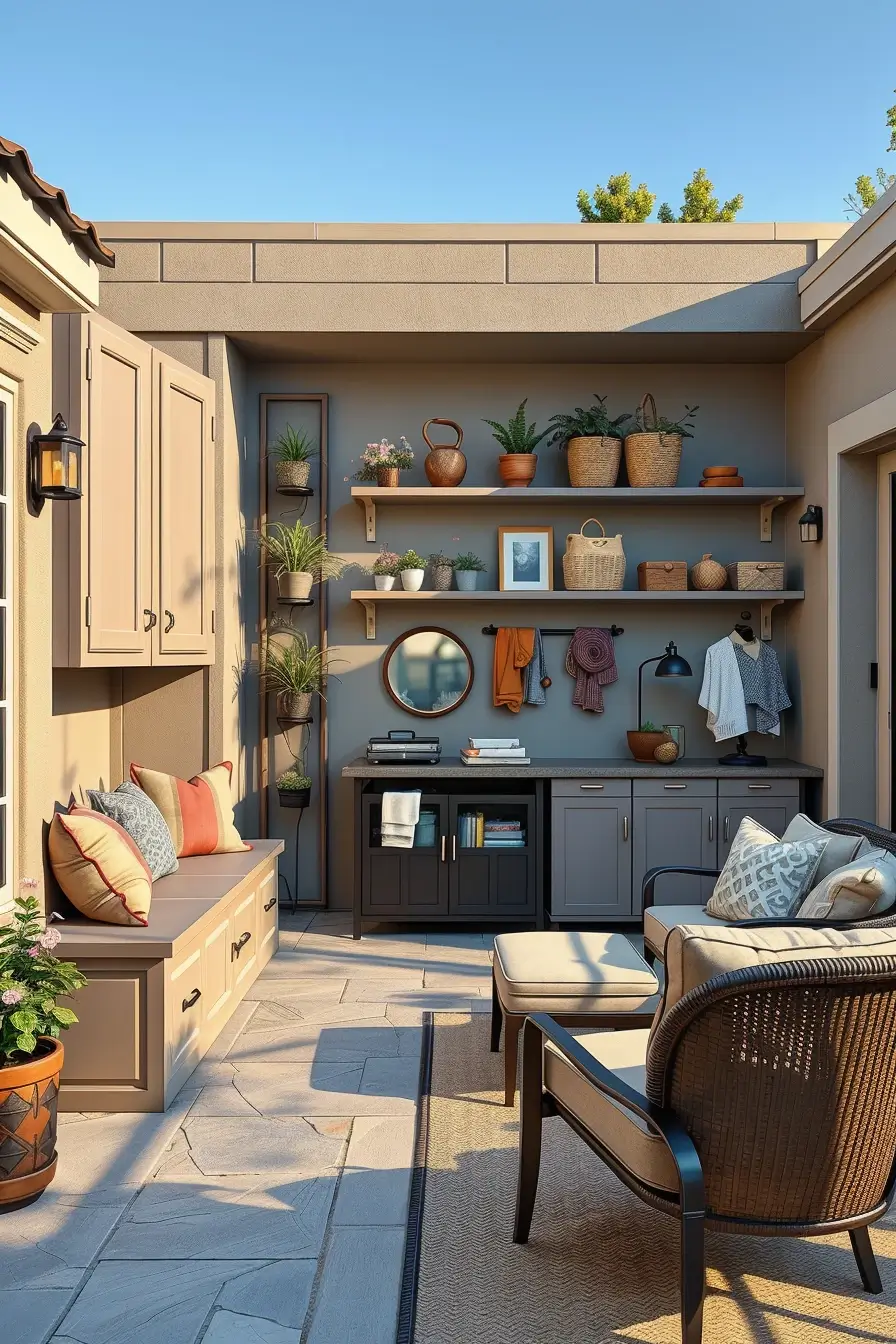
I recommend built-in bench seating with hidden compartments, weatherproof cabinets made from composite materials, and streamlined storage consoles that double as serving stations. Vertical shelving units made from treated wood or metal can hold planters and decorative items while keeping essentials accessible. Decorative storage baskets for blankets and cushions maintain tidiness while enhancing texture.
In my professional experience, smart storage directly influences how often a space is used. When cushions, throws, and accessories are easy to access and protect, homeowners are more likely to enjoy their outdoor rooms daily. I often advise investing in multi-functional furniture pieces that combine seating, storage, and style seamlessly.
To further strengthen this concept, I would incorporate labeled, moisture-resistant containers for seasonal decor and protective covers for furniture, ensuring longevity and year-round organization.
Cozy and functional outdoor rooms in 2026 are all about creating spaces that feel as comfortable and intentional as the interiors of your home. By combining smart layouts, durable materials, layered textiles, and thoughtful lighting, you can design an outdoor area that works beautifully for relaxing, entertaining, and everyday living. Whether you have a spacious backyard, a compact patio, or a small balcony, the key is to balance comfort with practicality. With the right design choices, your outdoor room can become your favorite place to unwind, gather, and enjoy every season.